
History of Tattoos
HISTORY, CULTURE & STYLES OF TATTOOING
1.n From prehistory to the first civilisations
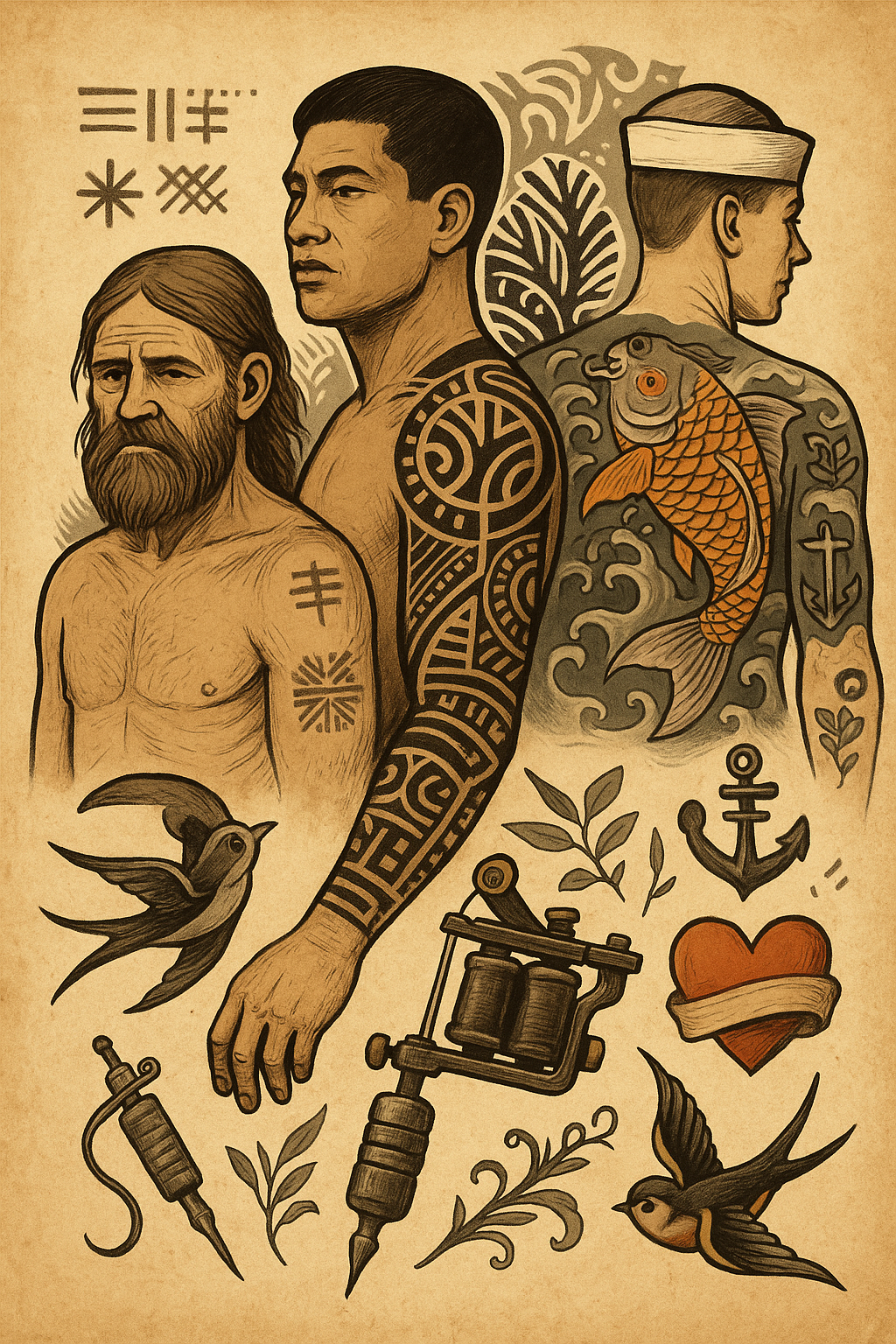
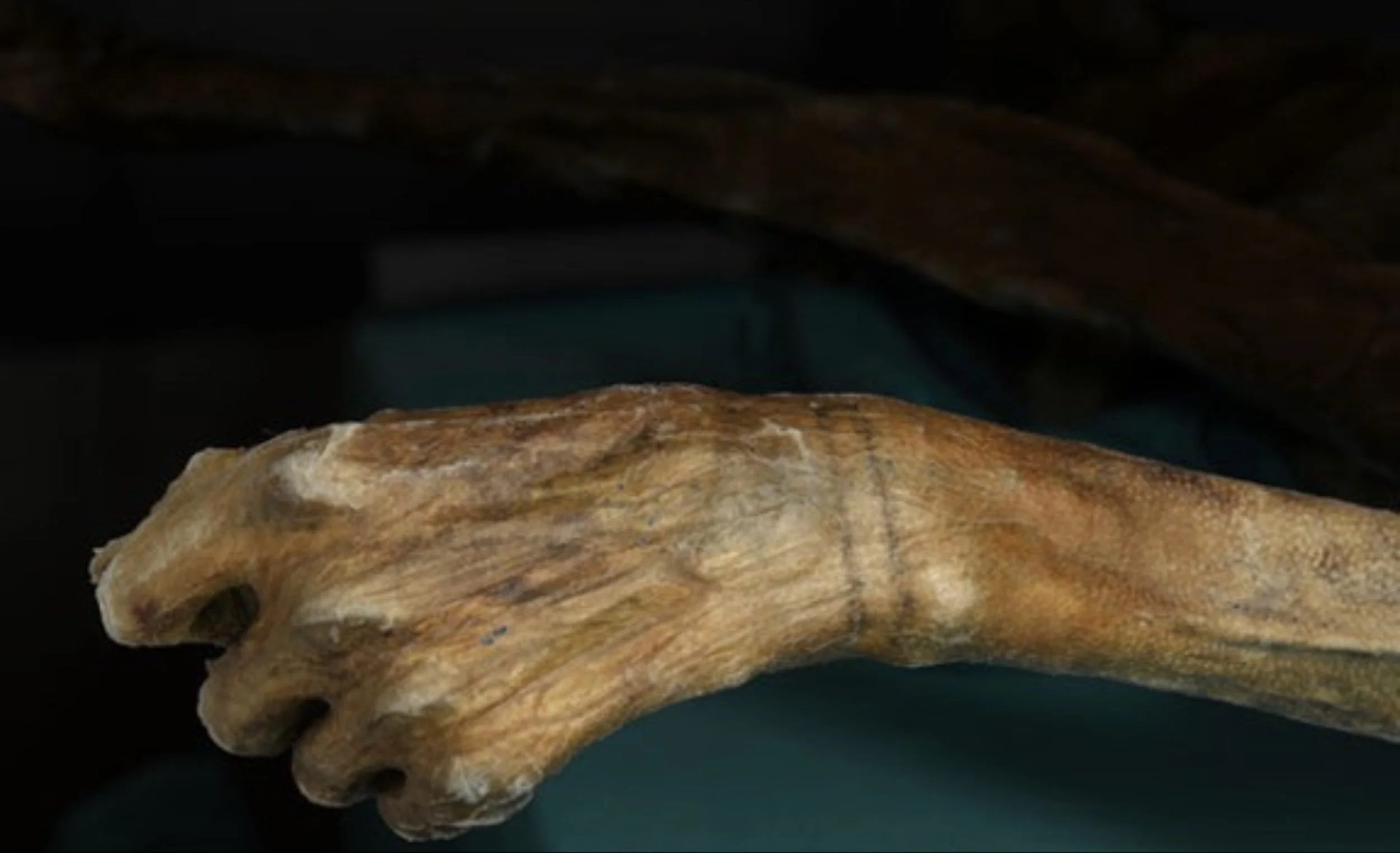
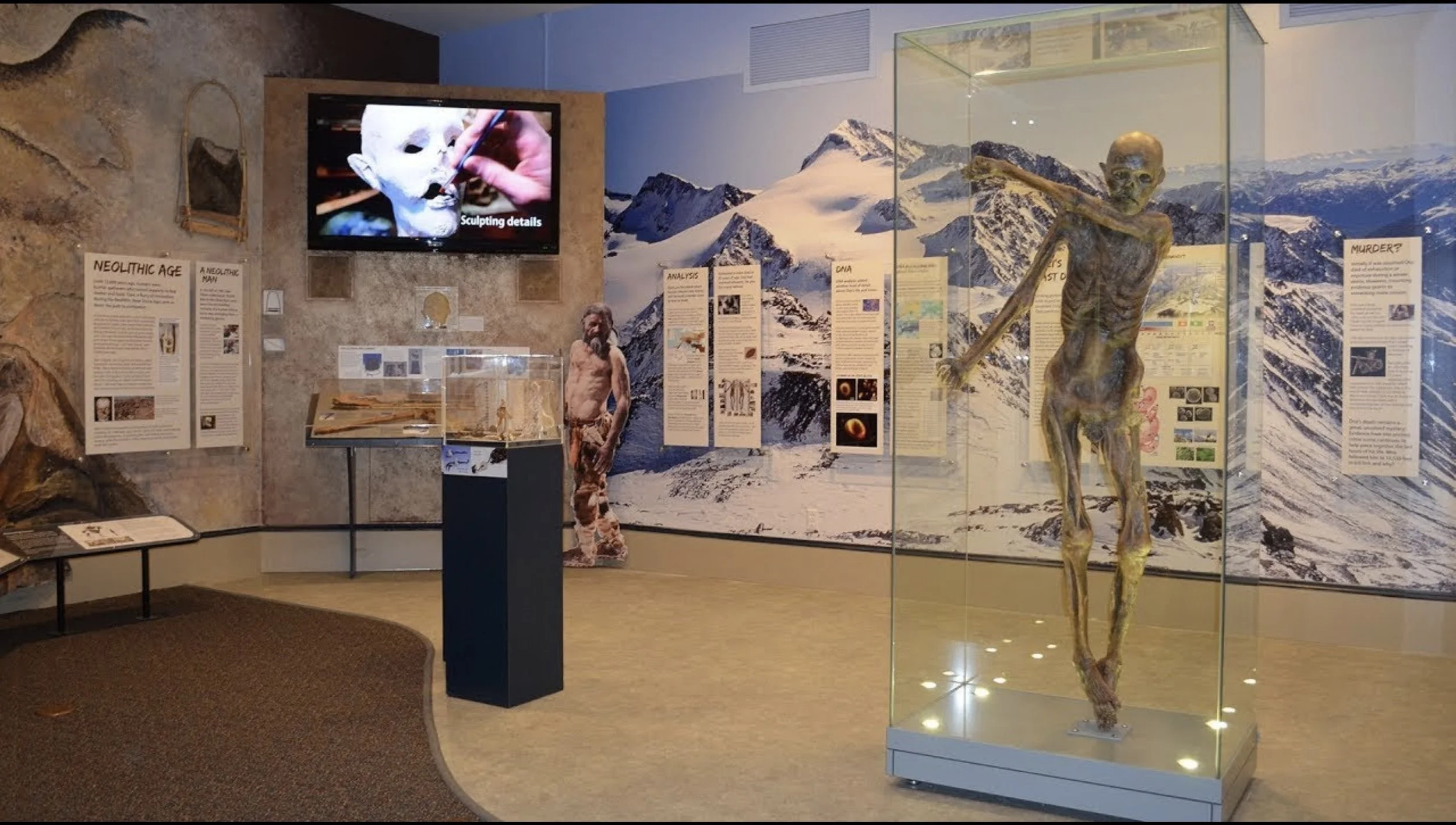
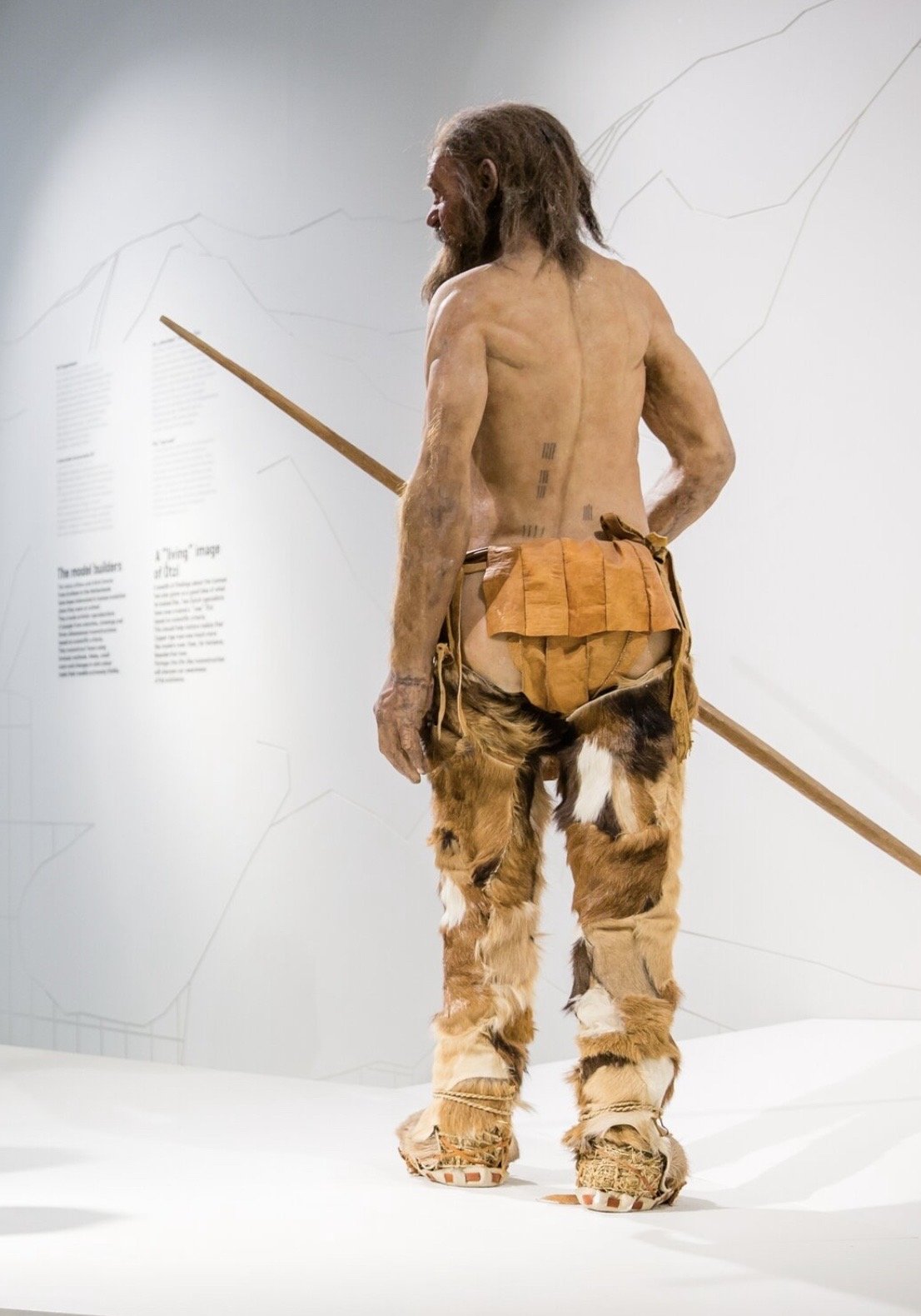
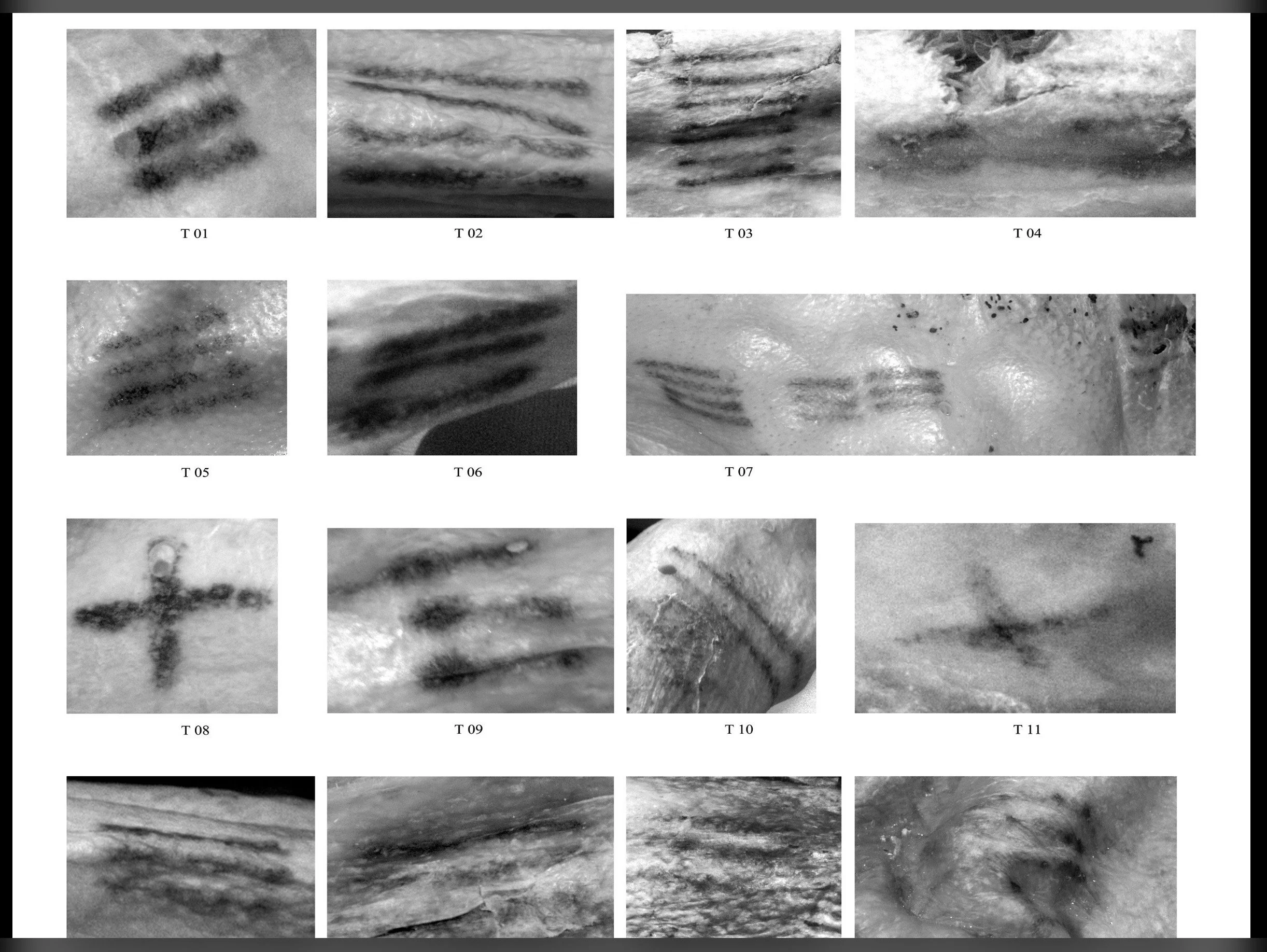
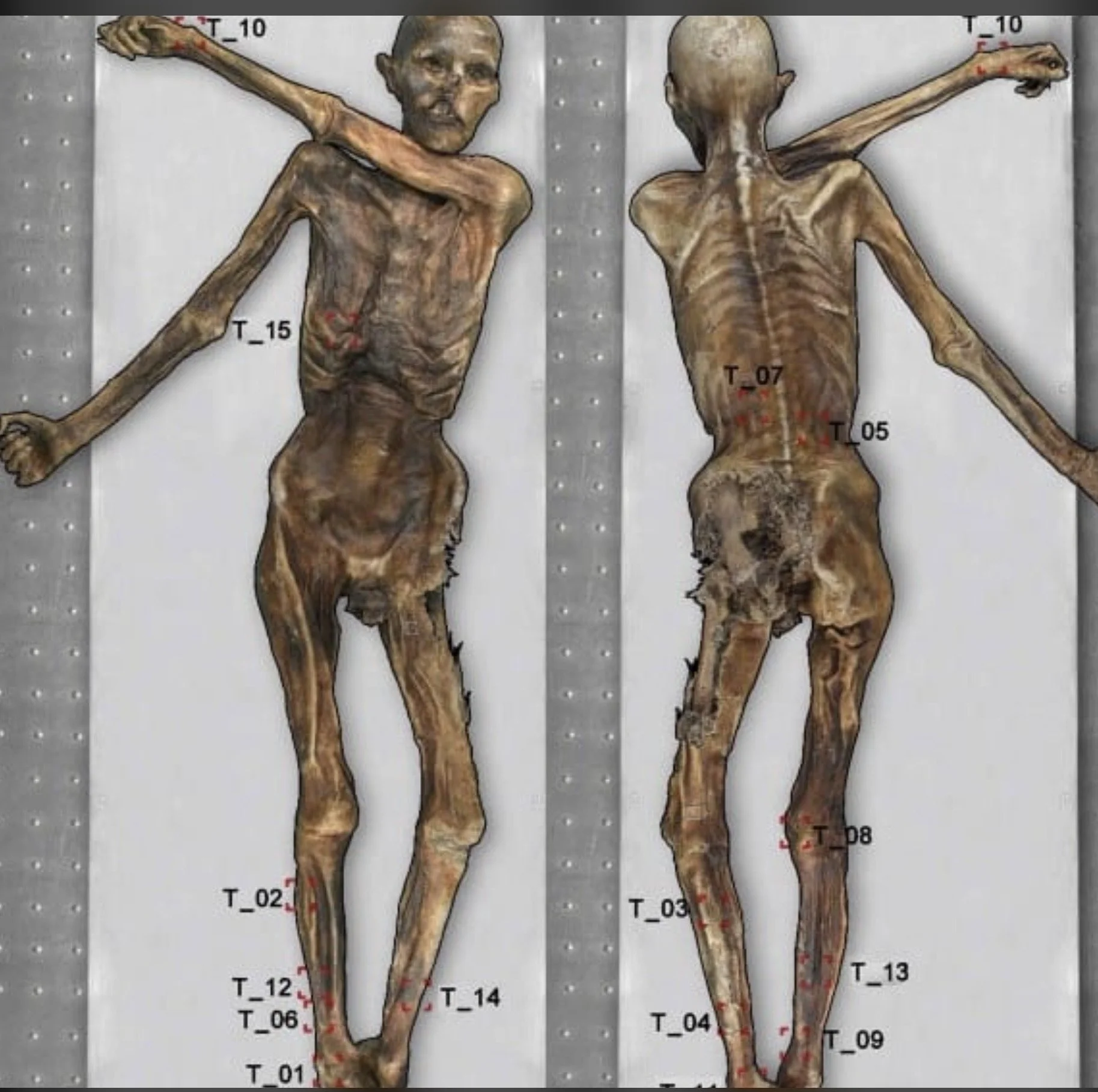
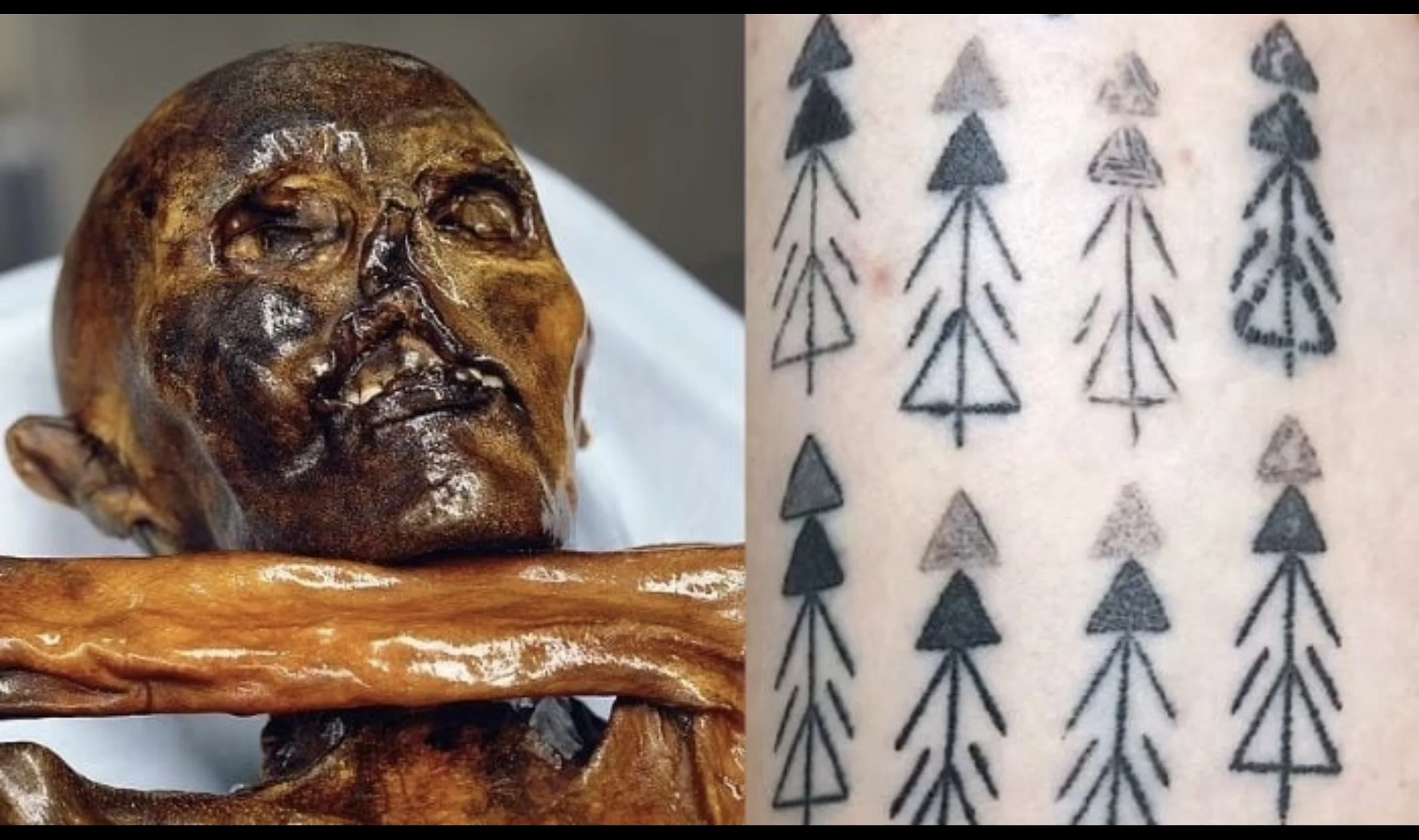
Tattooing is not a recent trend: it has been with humanity for at least 5,000 years. The mummified body of Ötzi the Iceman, found in the Alps, carries 61 small tattoos made of parallel lines. They were probably ritual or therapeutic marks, placed near painful joints like an early form of acupuncture.
Mummified bodies from ancient Egypt, Mesopotamia and pre-Columbian cultures also show tattoos: lines, dots and geometric symbols on hands, arms and backs. In prehistory, tattooing was often linked to magic, healing, protection and group identity.
2. Tattoo as a cultural code
In many traditional cultures, tattoos form a real visual language:
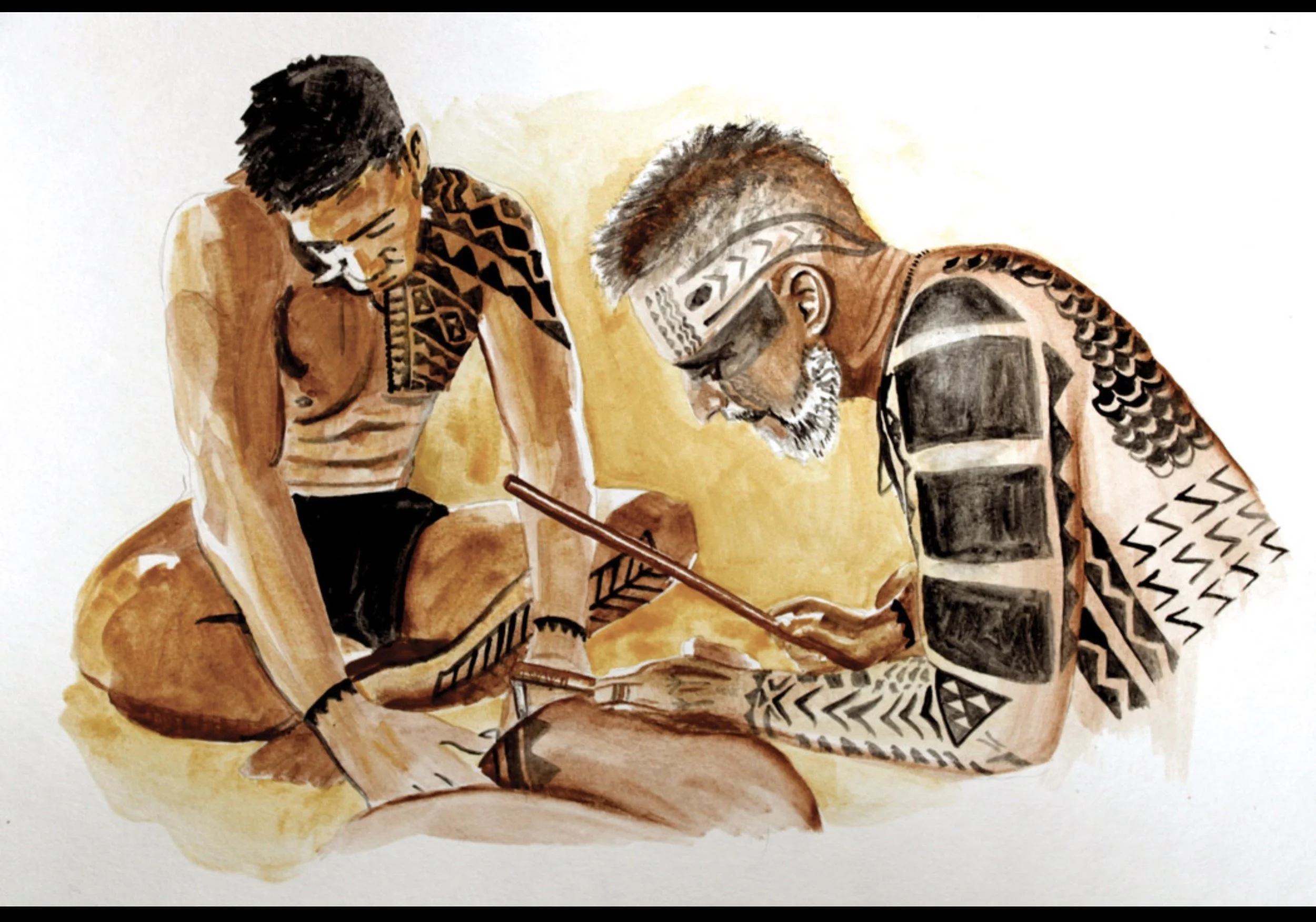
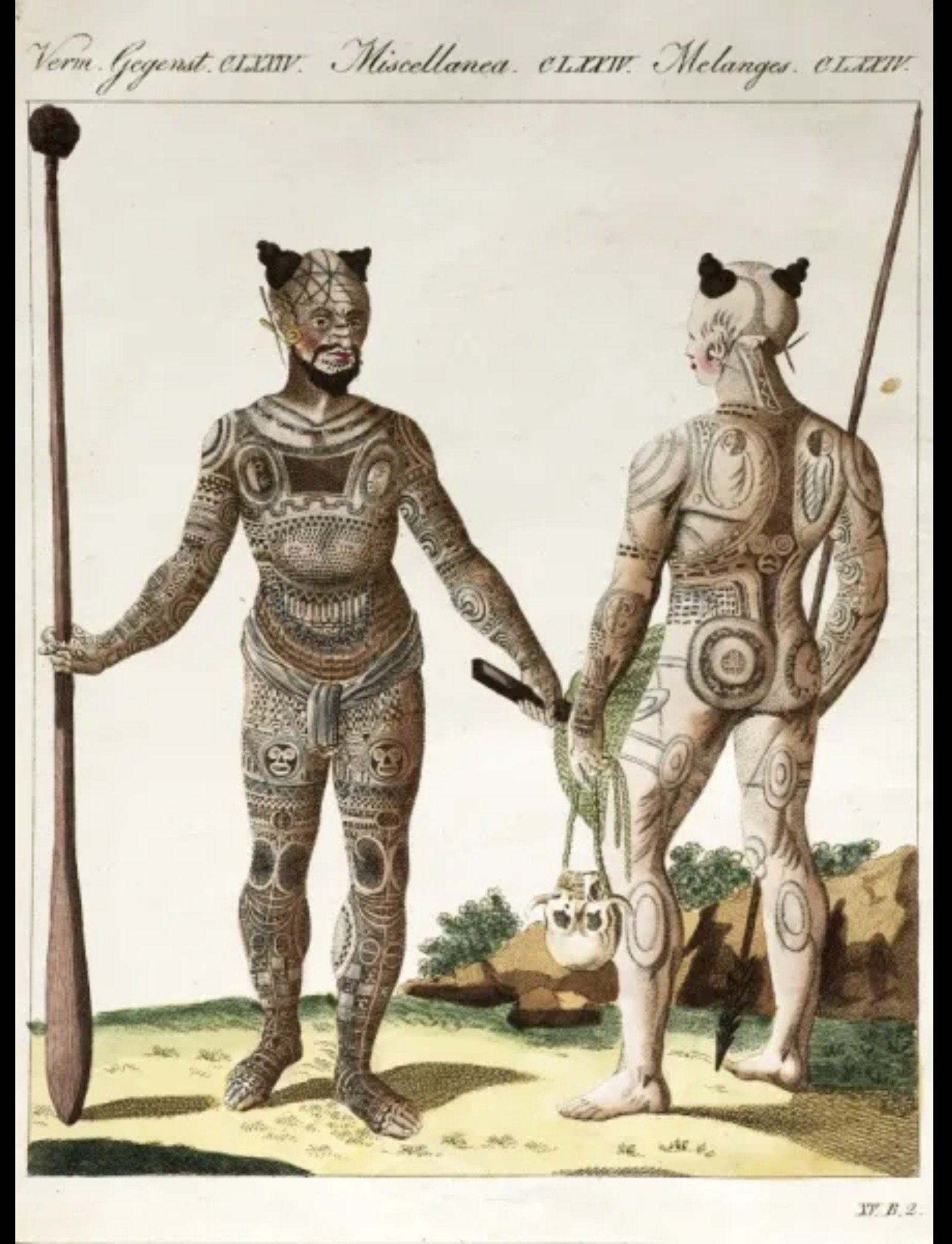
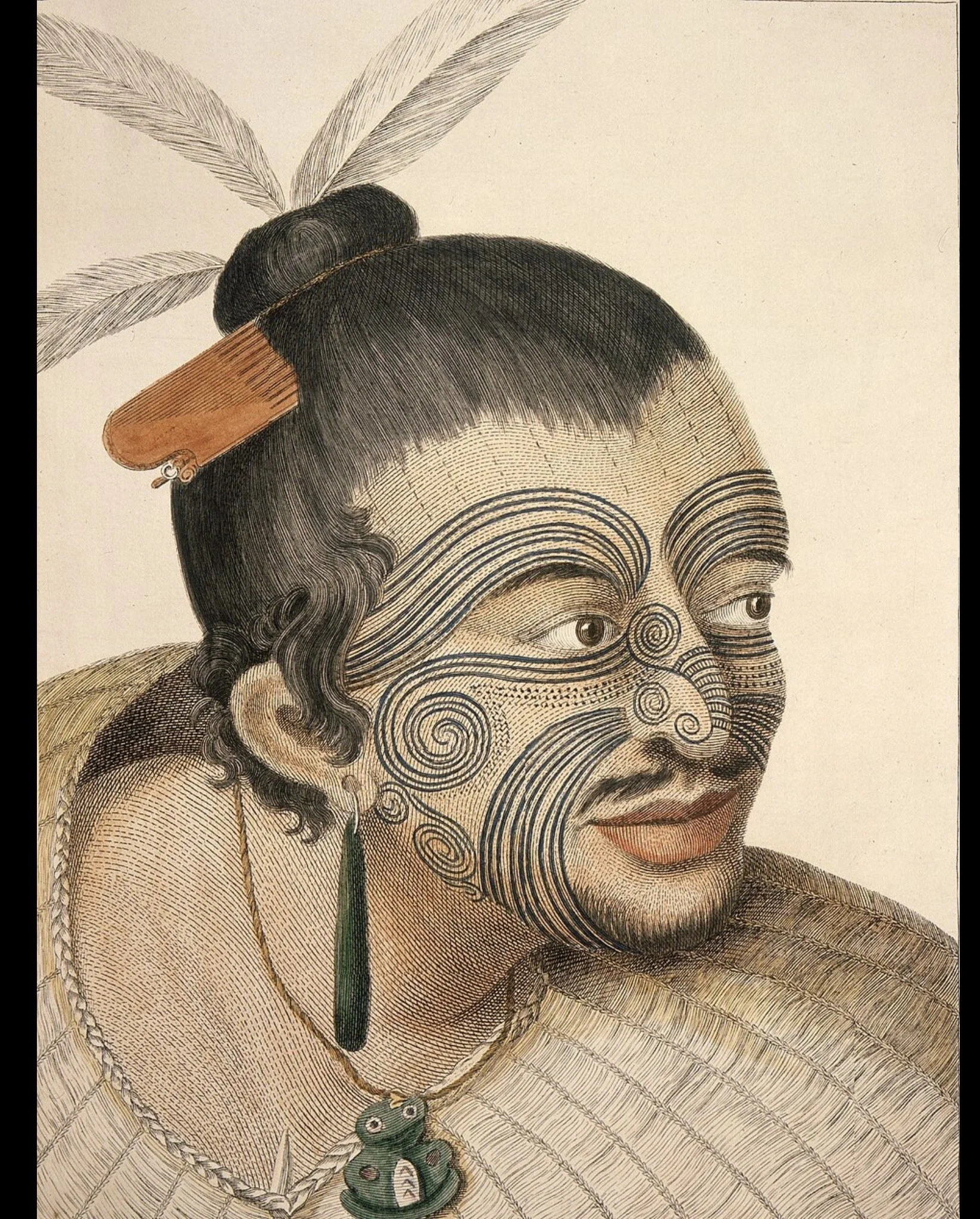
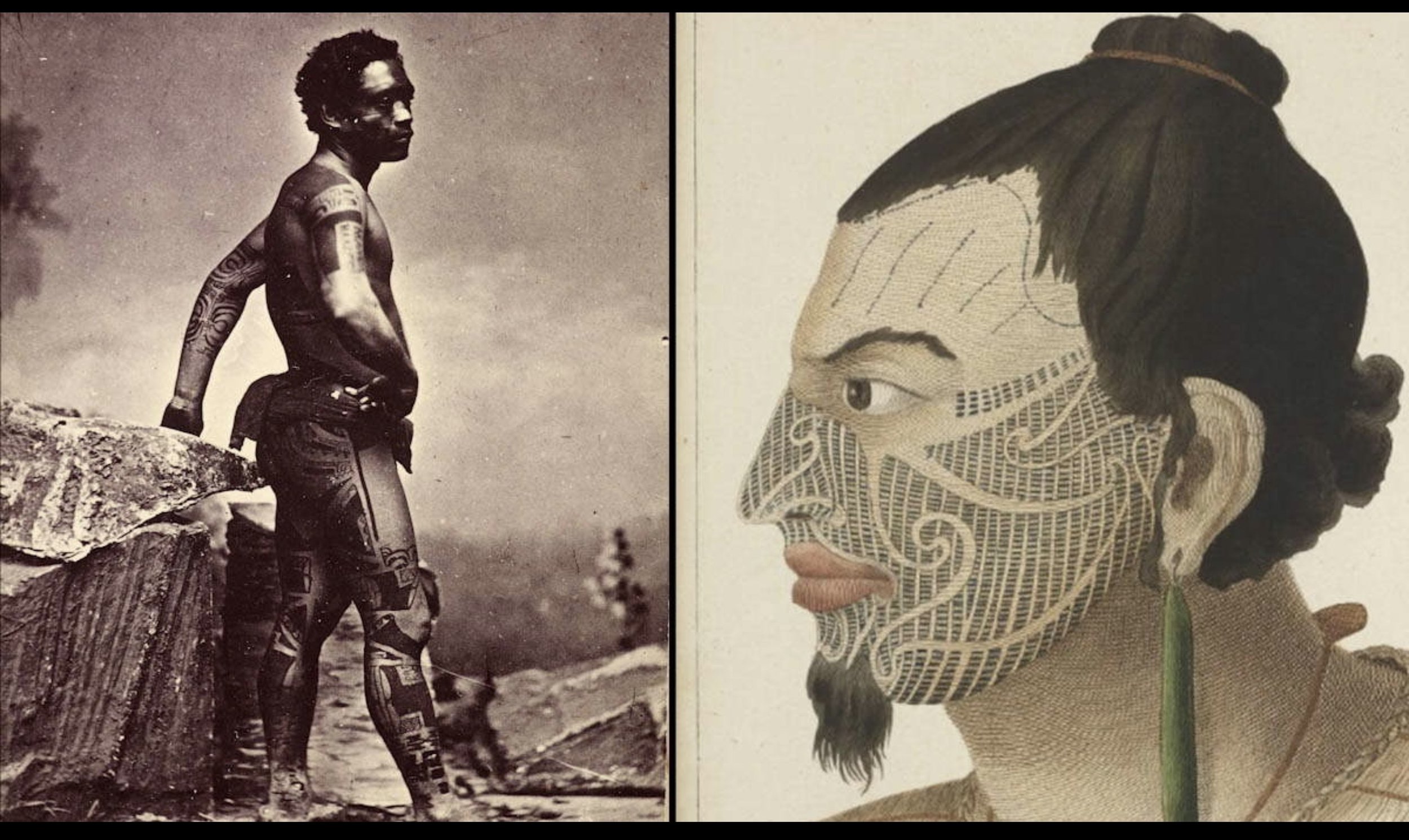
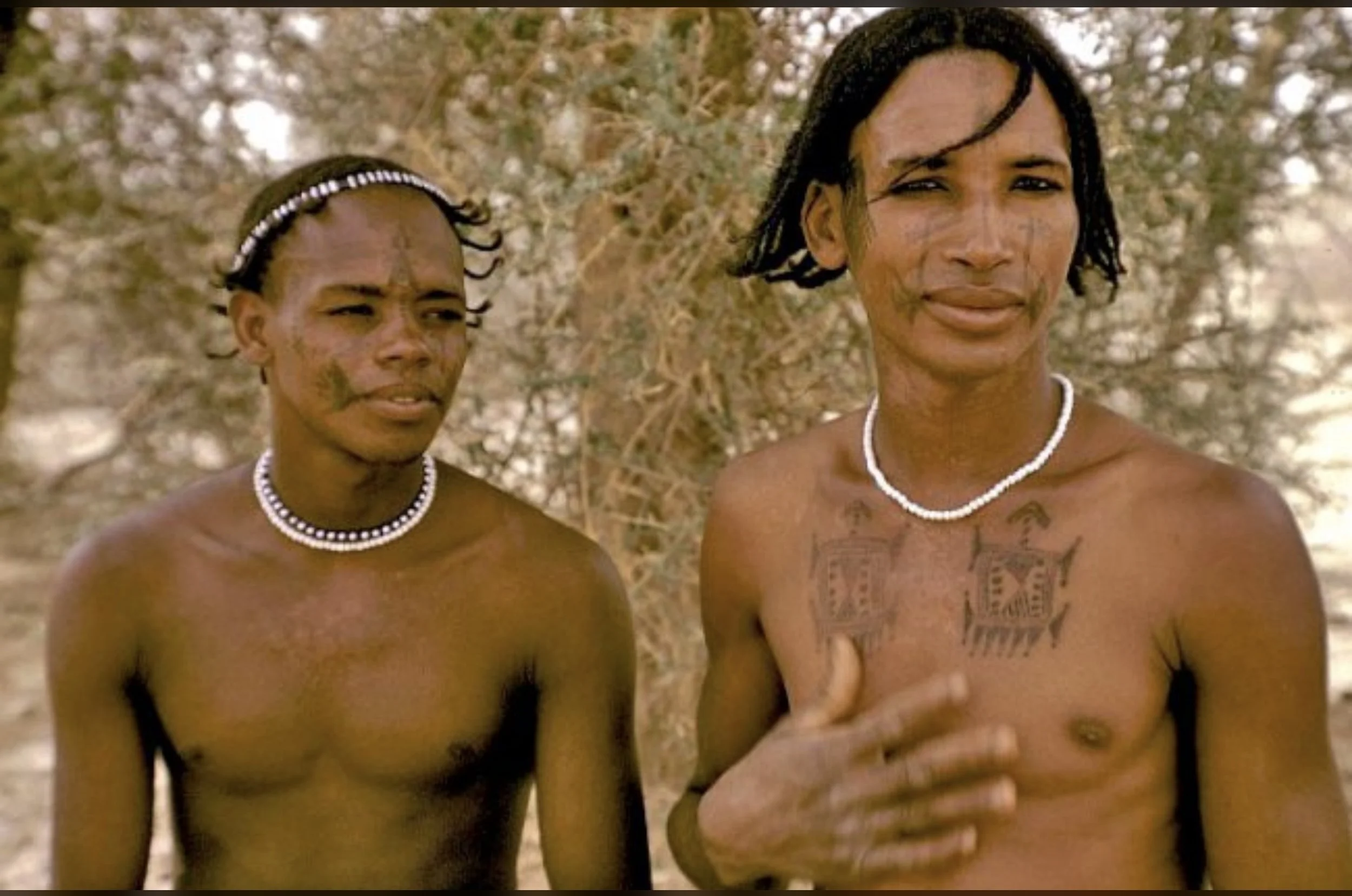
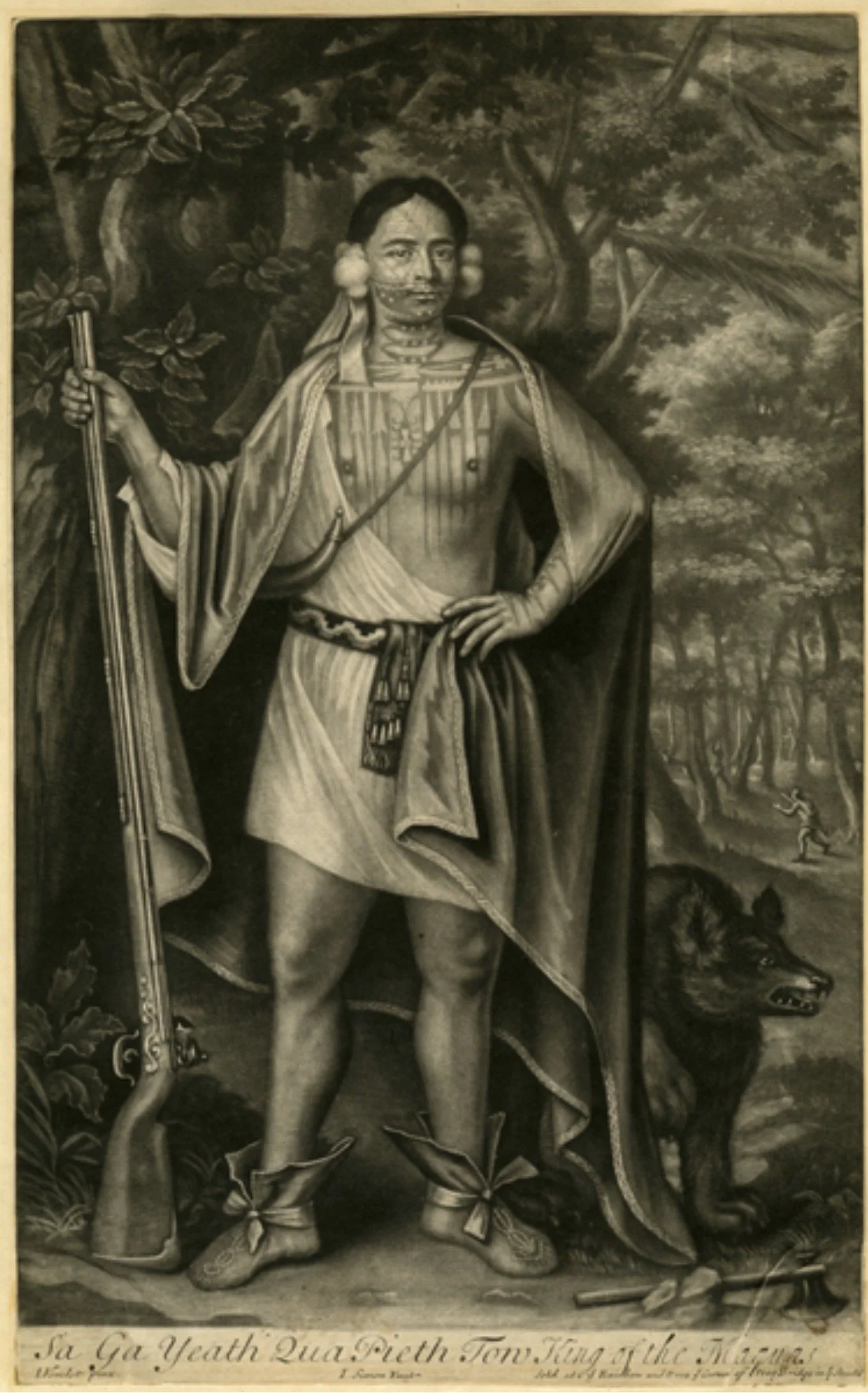
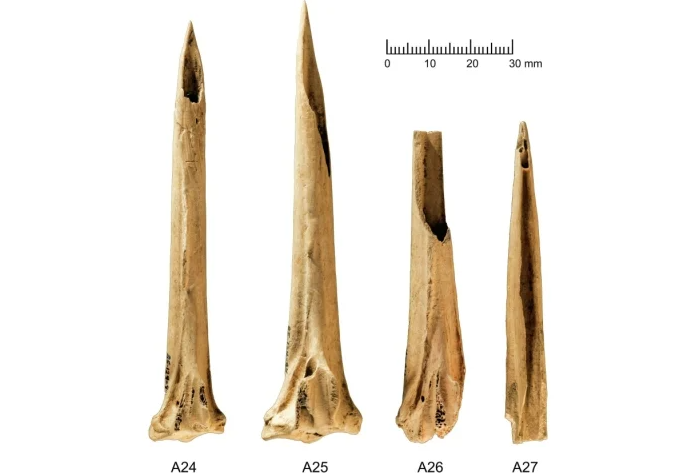
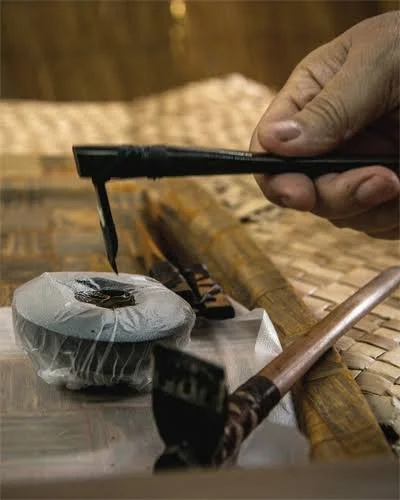
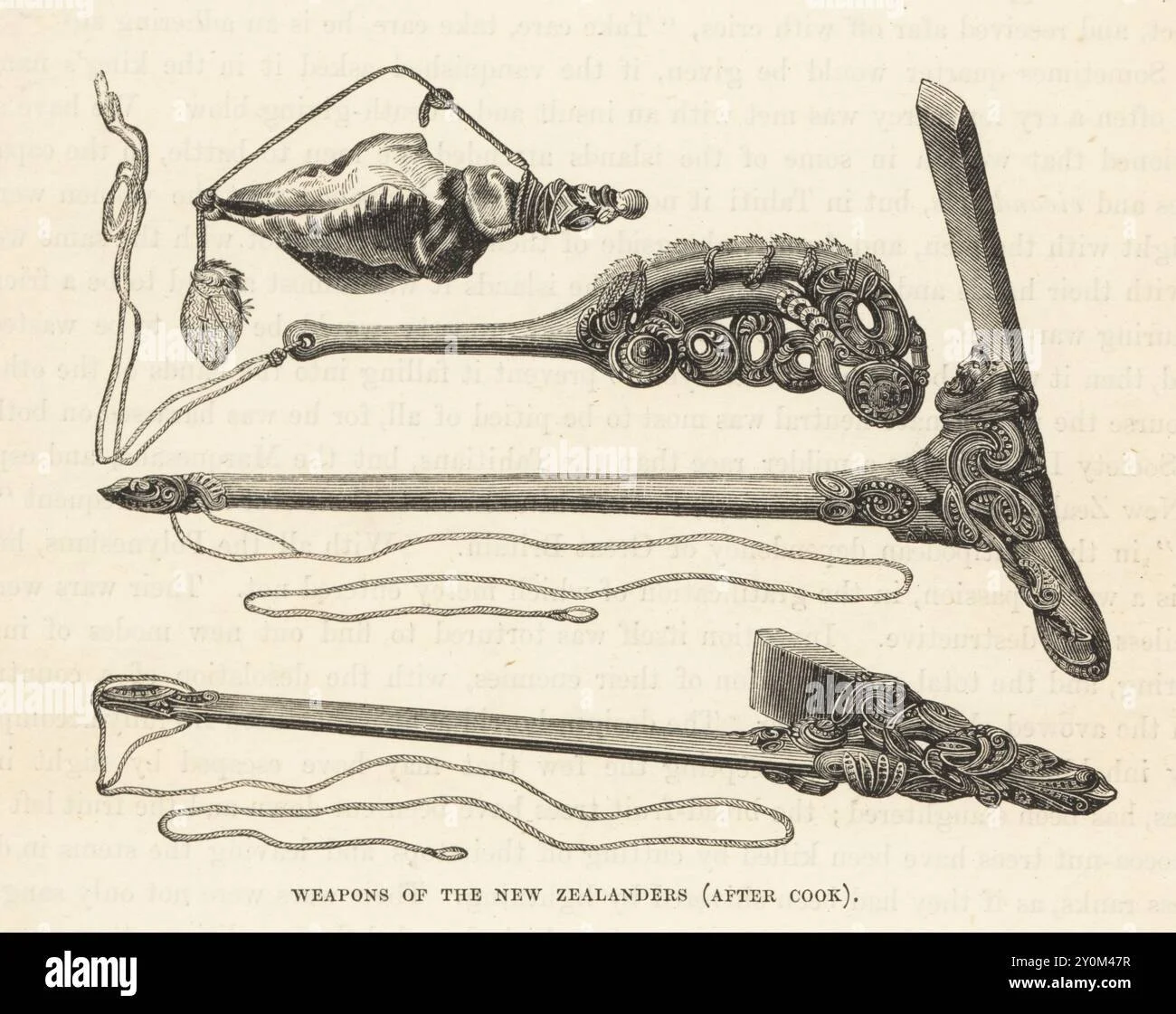
Polynesia and Samoa – Complex geometric patterns covering the body tell stories of ancestry, courage, social status and connection to the ocean. The word “tattoo” comes from the Samoan tatau, “to strike, to mark”.
Maori (New Zealand) – Facial and body moko record identity, rank and personal history: every spiral is like a word carved into the skin.
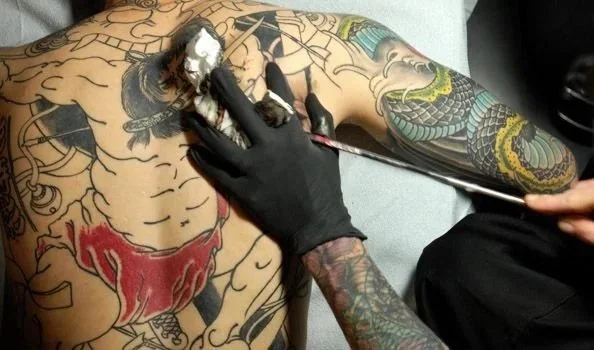
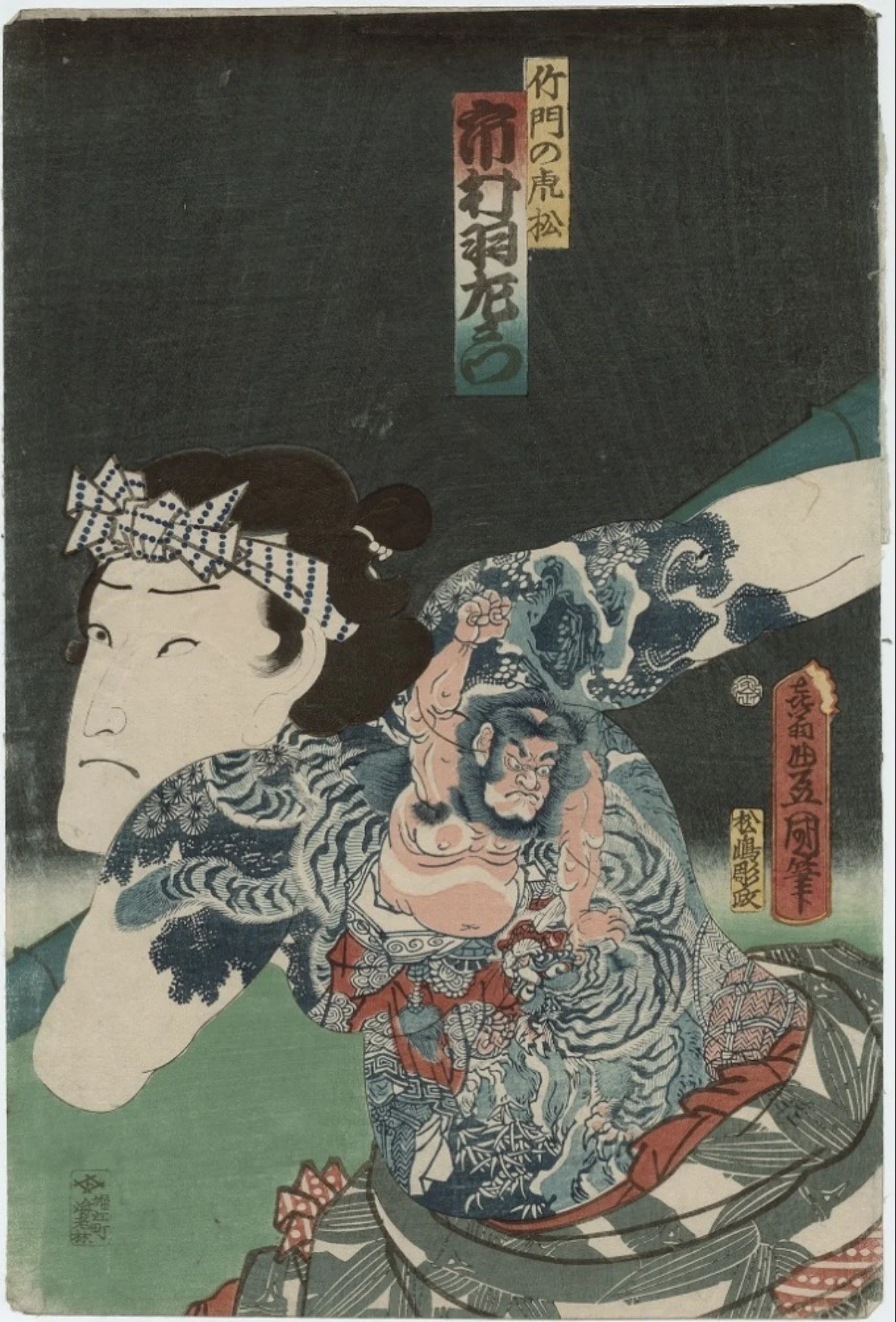
Japan – Traditional irezumi covers large areas of the body with koi carp, dragons, waves and cherry blossoms, symbols of strength, perseverance, luck and the fragile beauty of life.
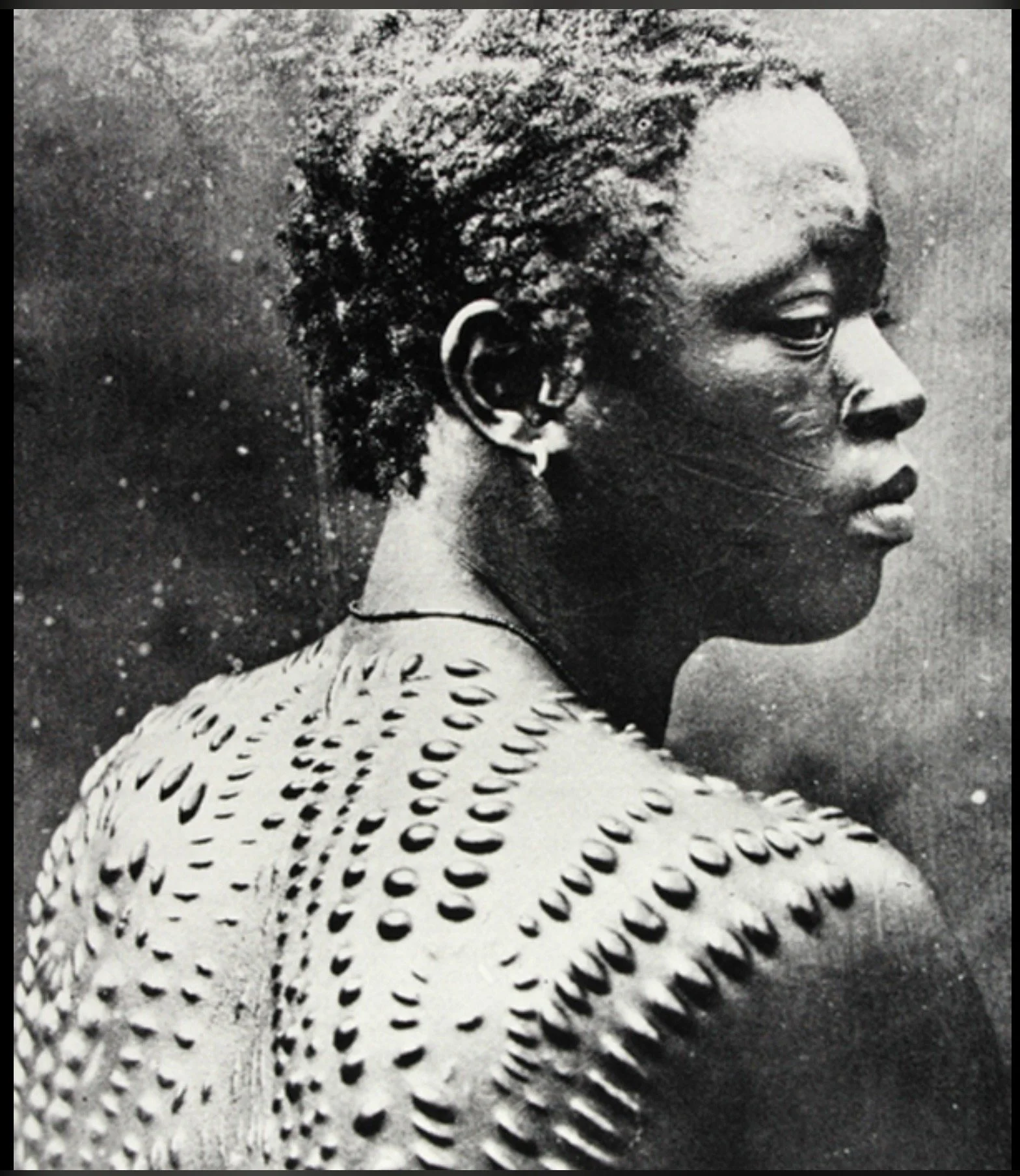
Arctic, African and American peoples – Facial lines, hand tattoos, tribal symbols: maps of maturity, achievement, marriage and spiritual protection.
Here tattooing is much more than decoration: it is identity card, rite of passage and spiritual shield.
3. From stigma to freedom (Europe)
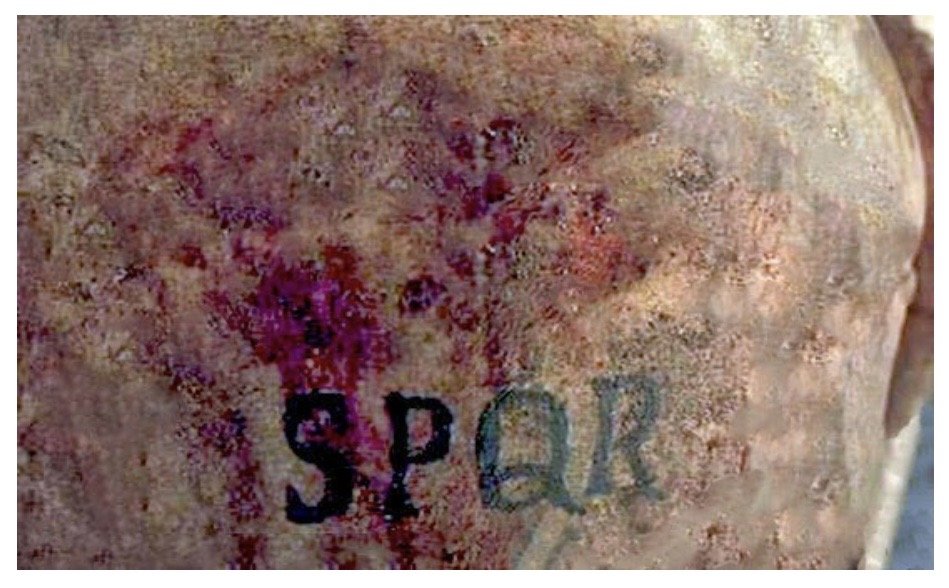
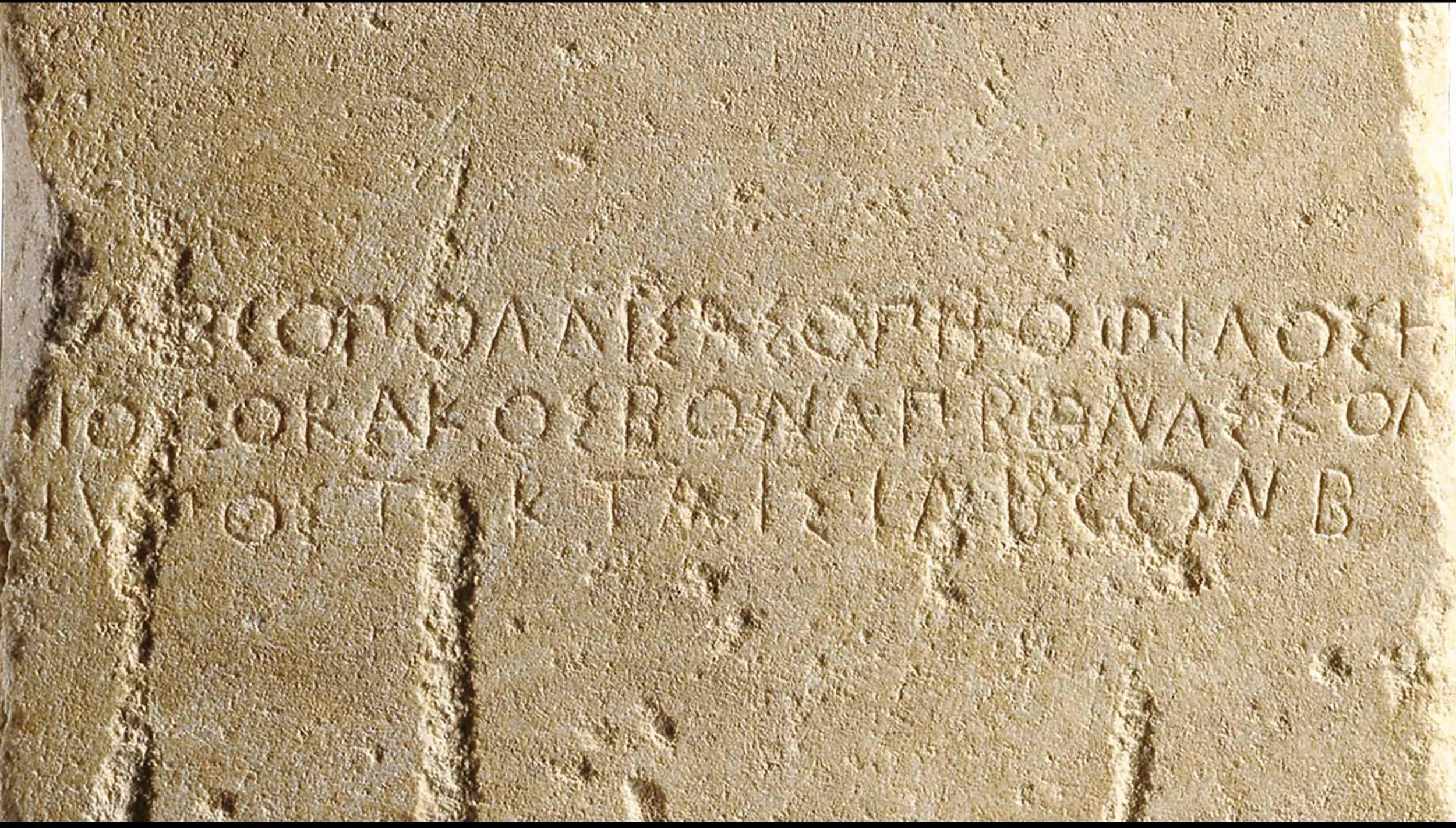
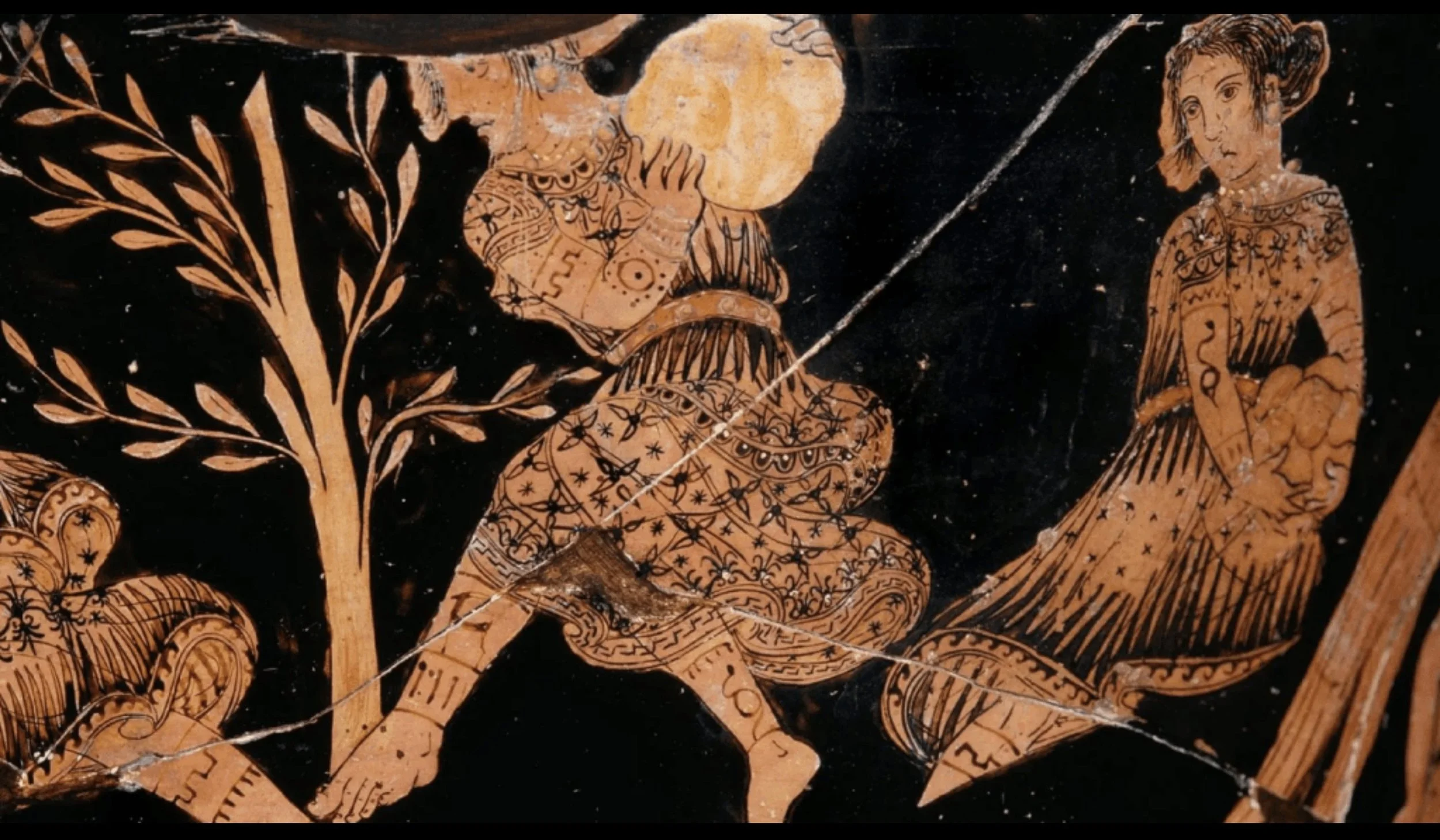
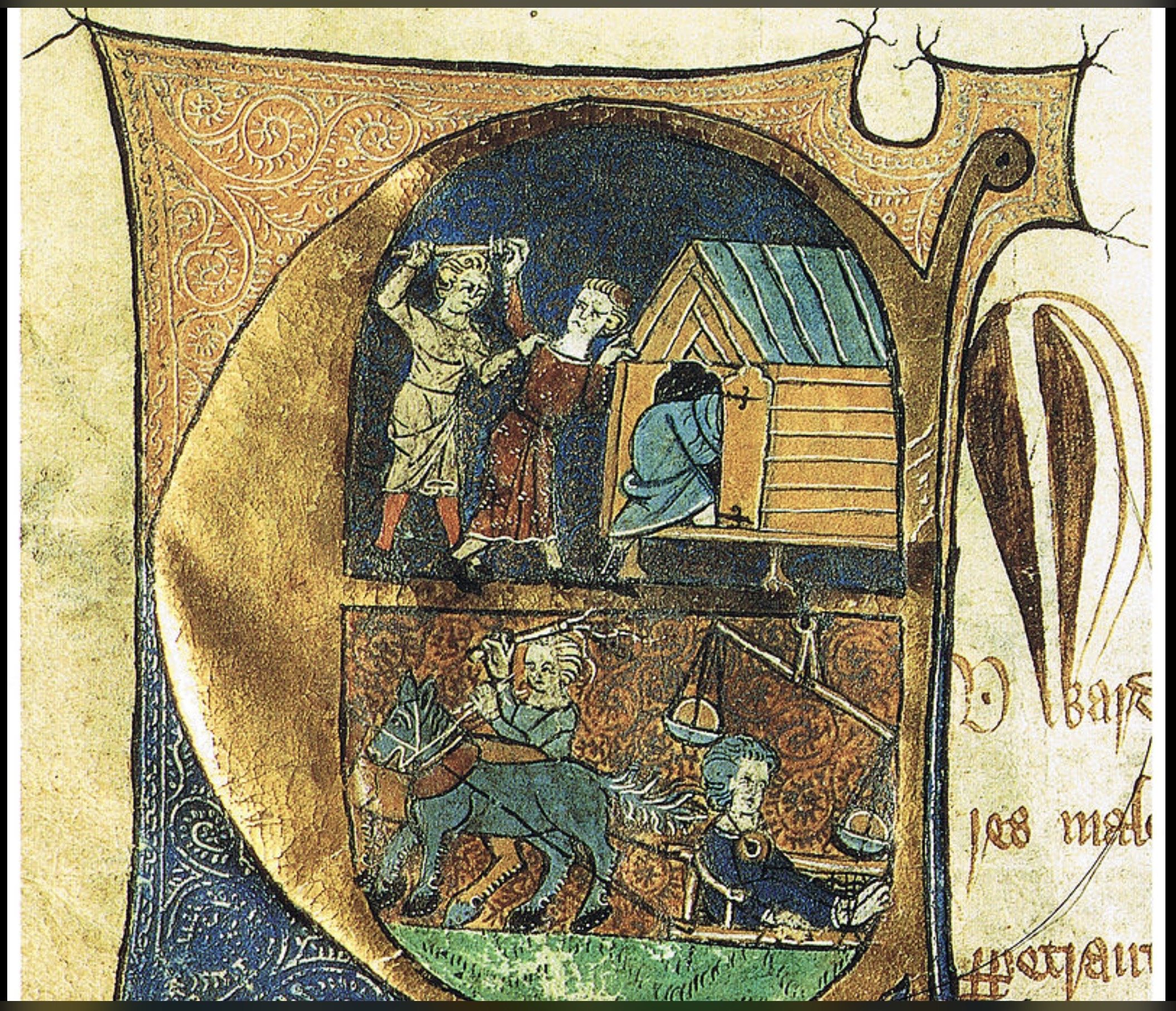
In the Greco-Roman world tattoos existed but often had negative meaning: marks on slaves, prisoners and deserters. During the Middle Ages tattooing almost disappeared in Europe, seen as pagan or as a form of punishment.
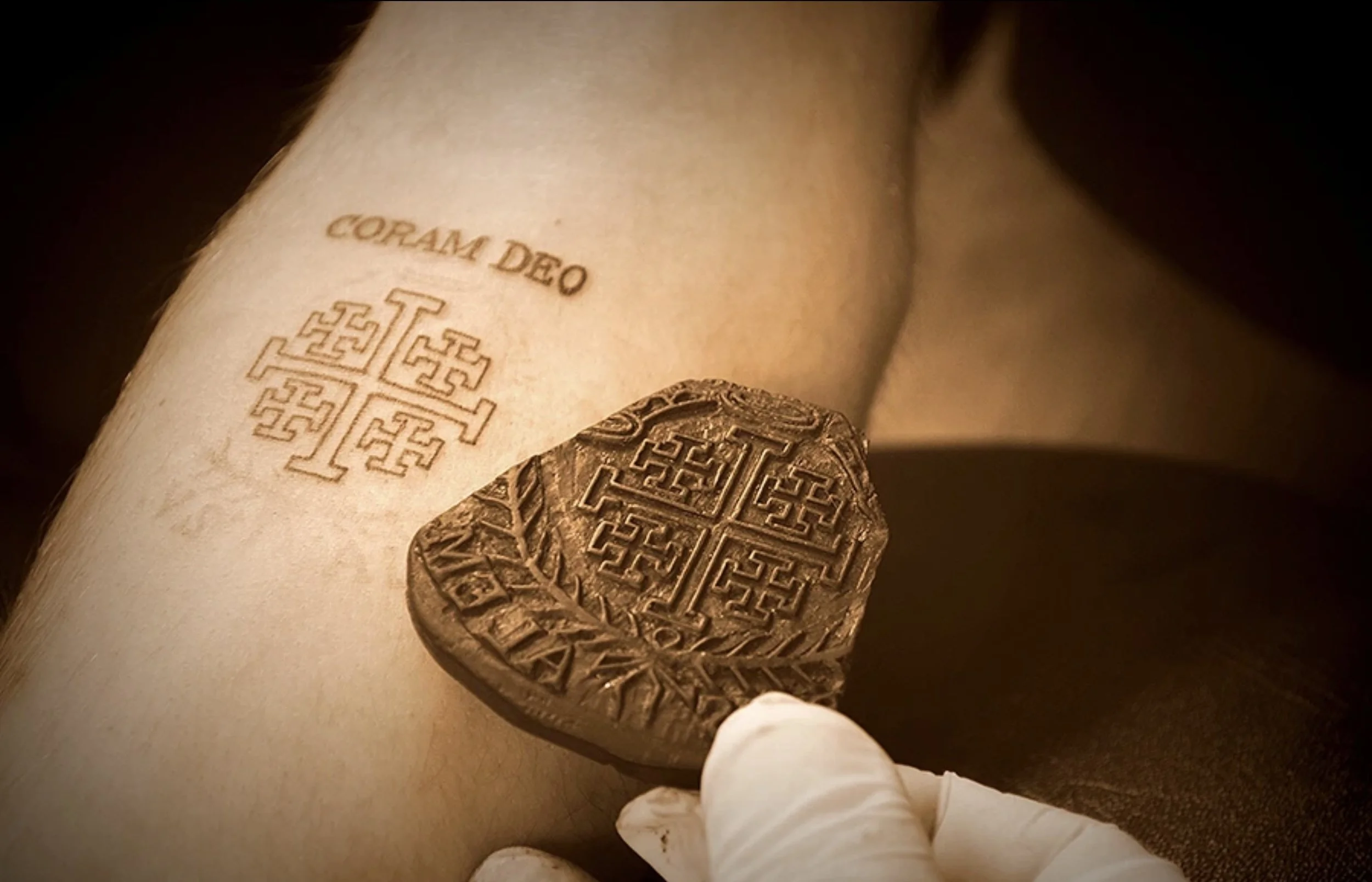
It survived mainly in two areas:
Religious pilgrimage – Small crosses, Madonnas and saints were tattooed on pilgrims returning from the Holy Land.
Sailors and travellers – From the 18th century onwards, European sailors visiting the Pacific encountered Polynesian tattoo art and began to tattoo anchors, swallows, mermaids, hearts and the names of loved ones.
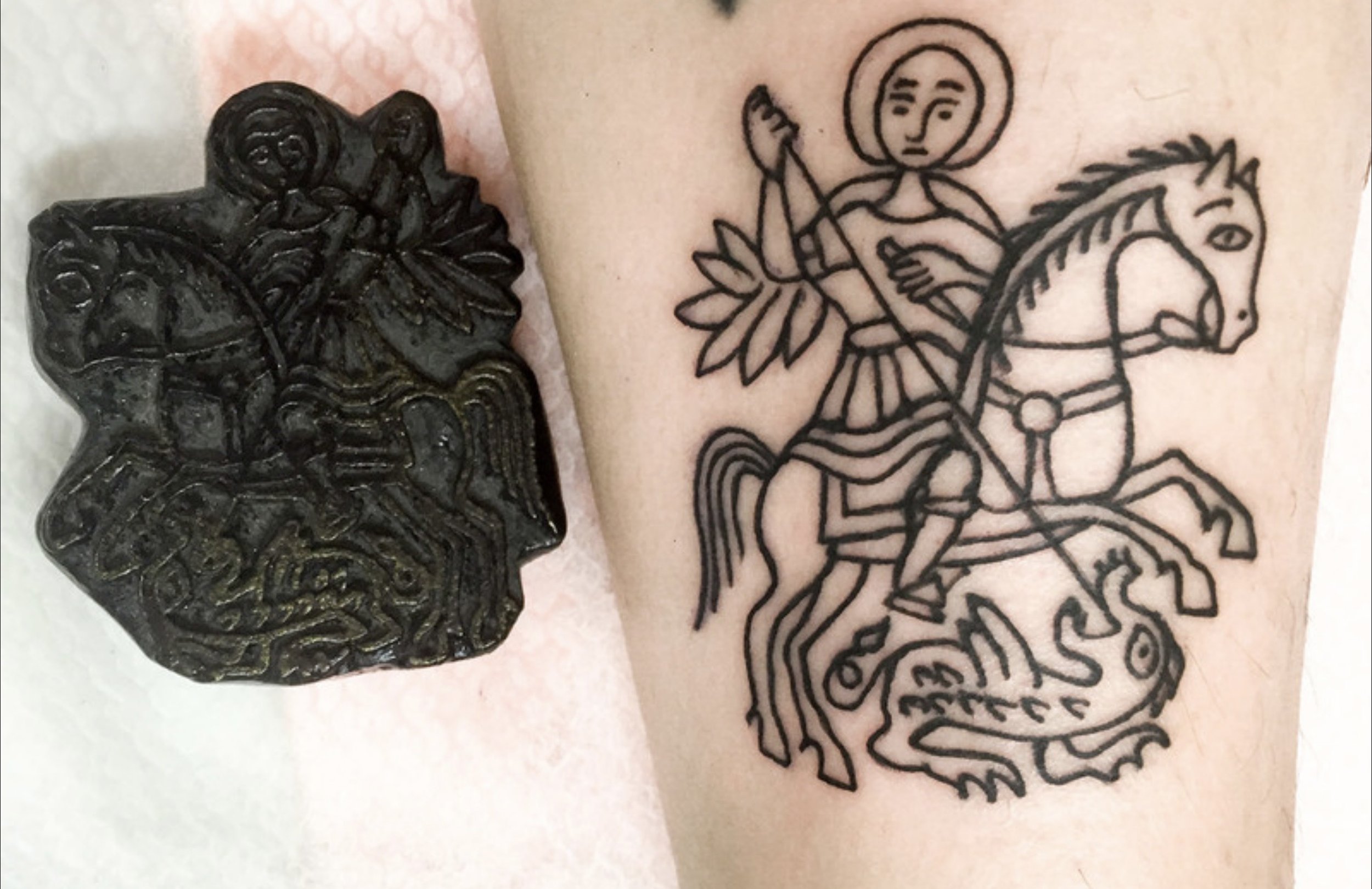
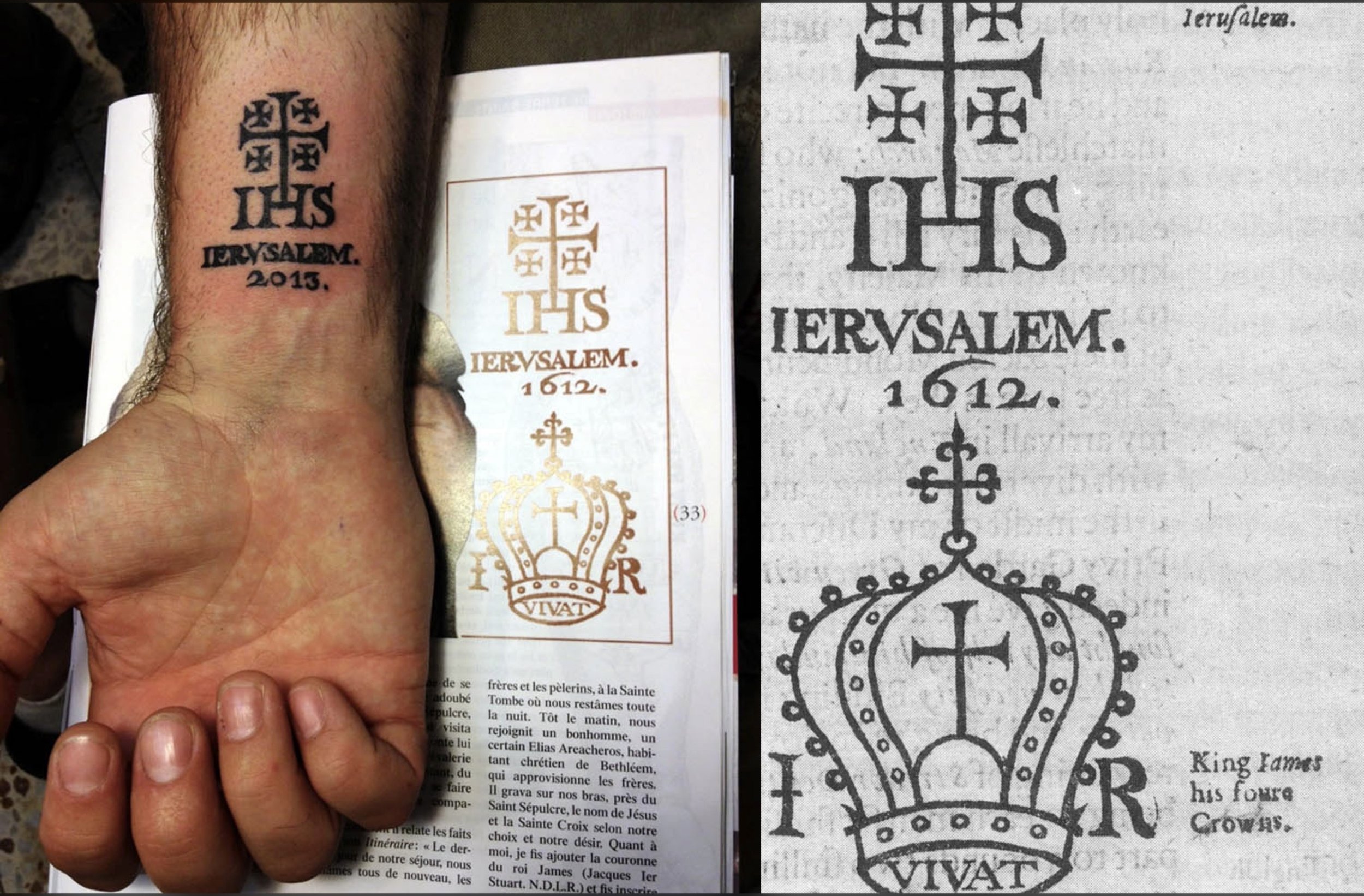
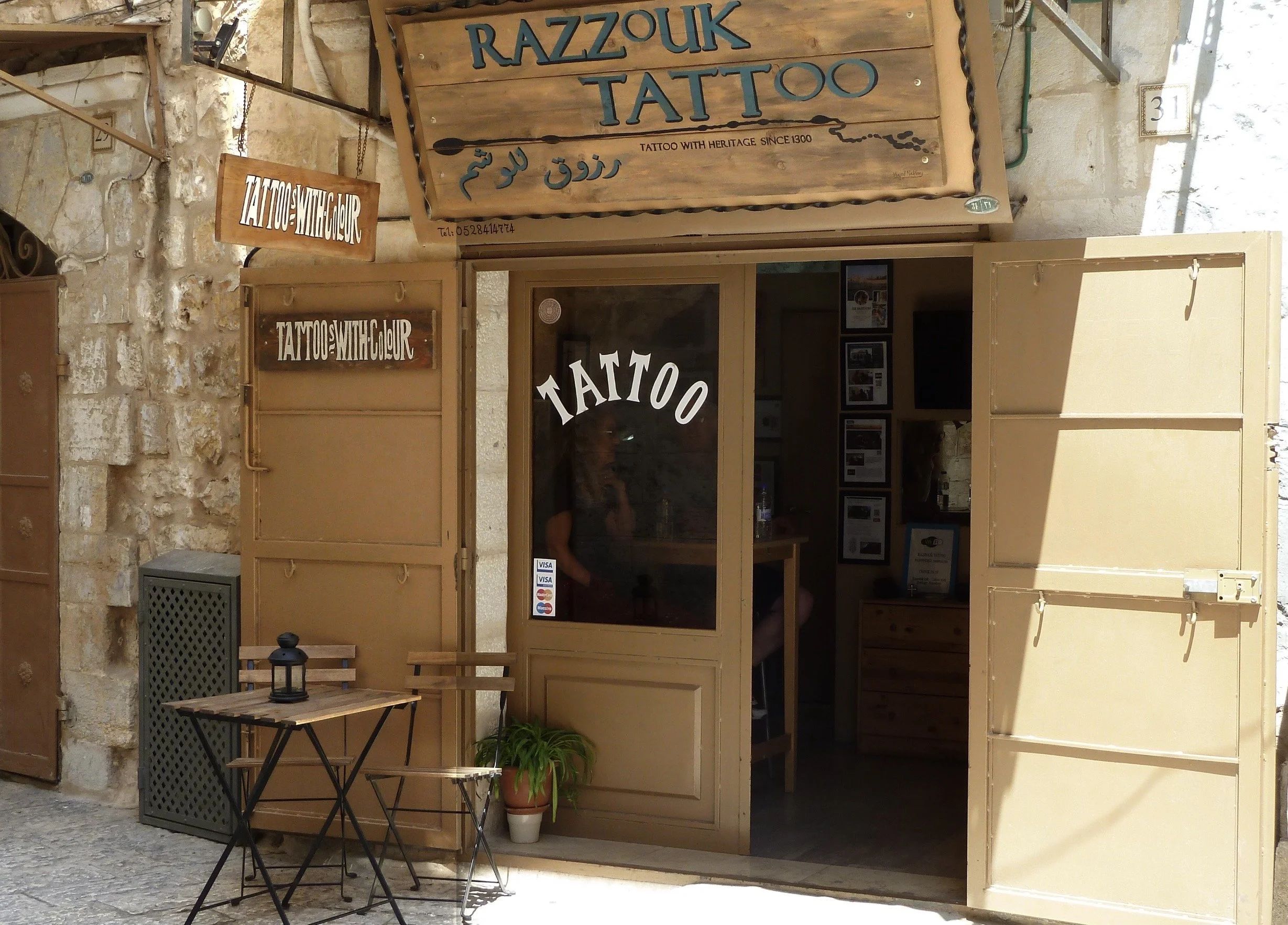
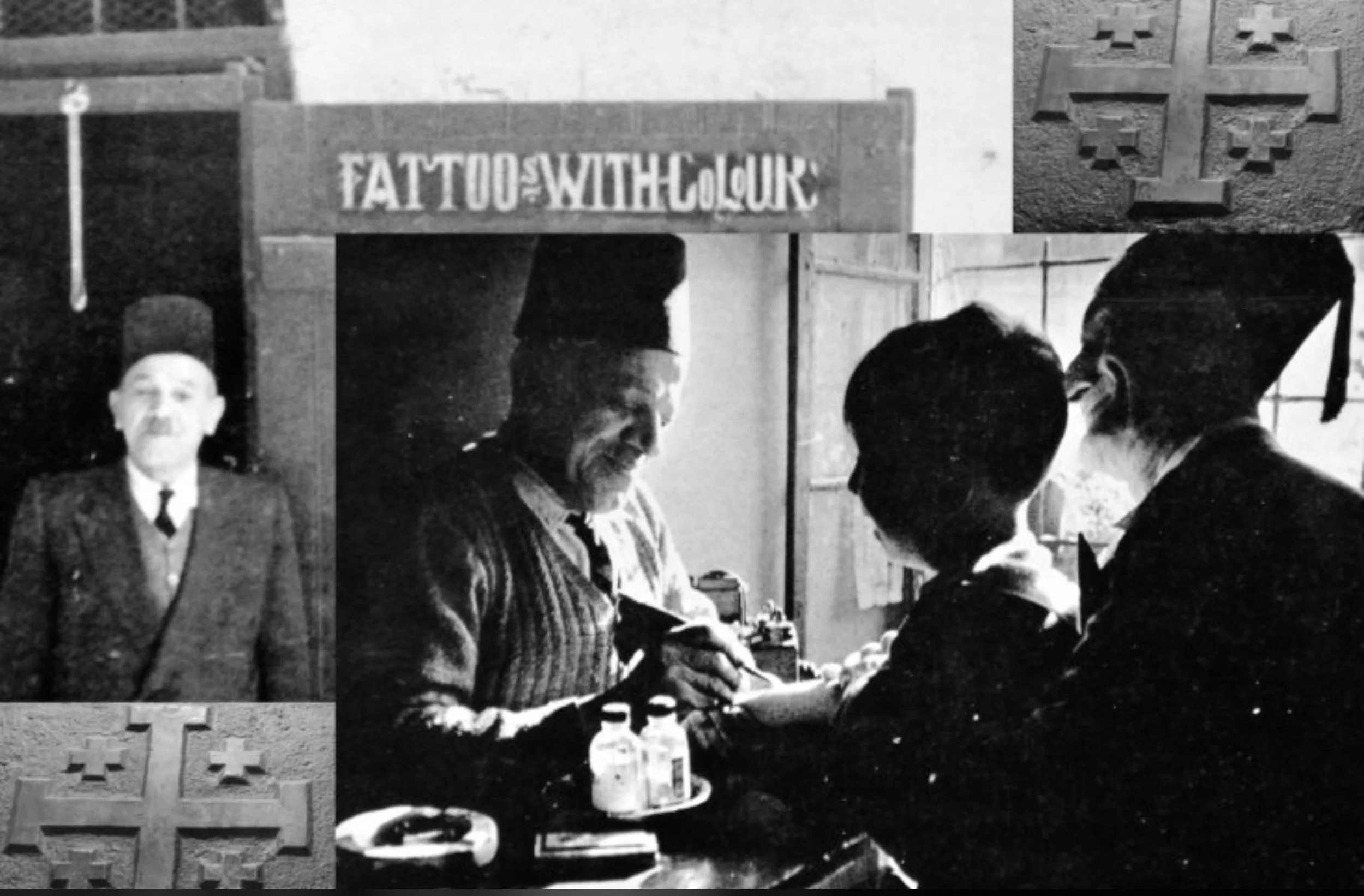
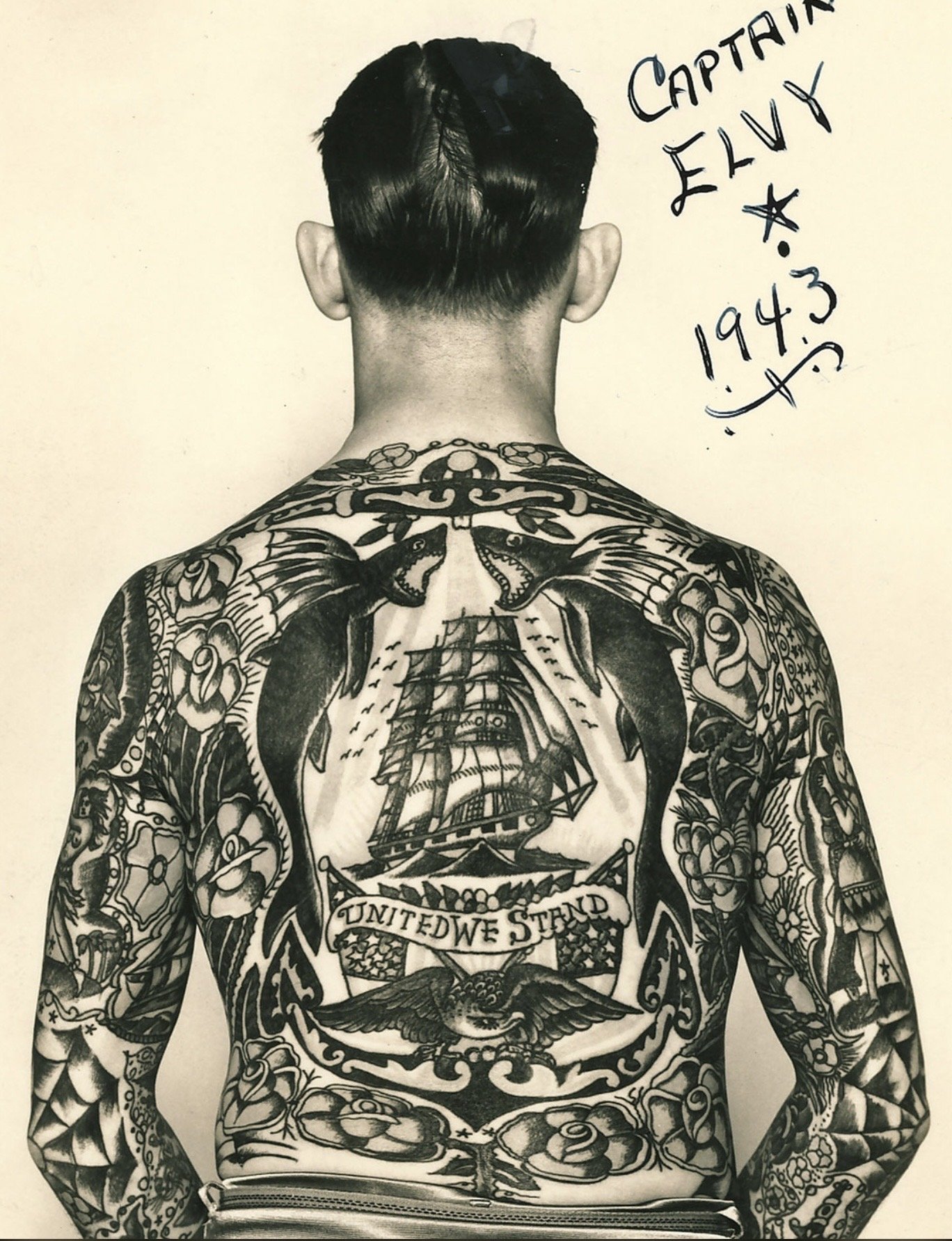
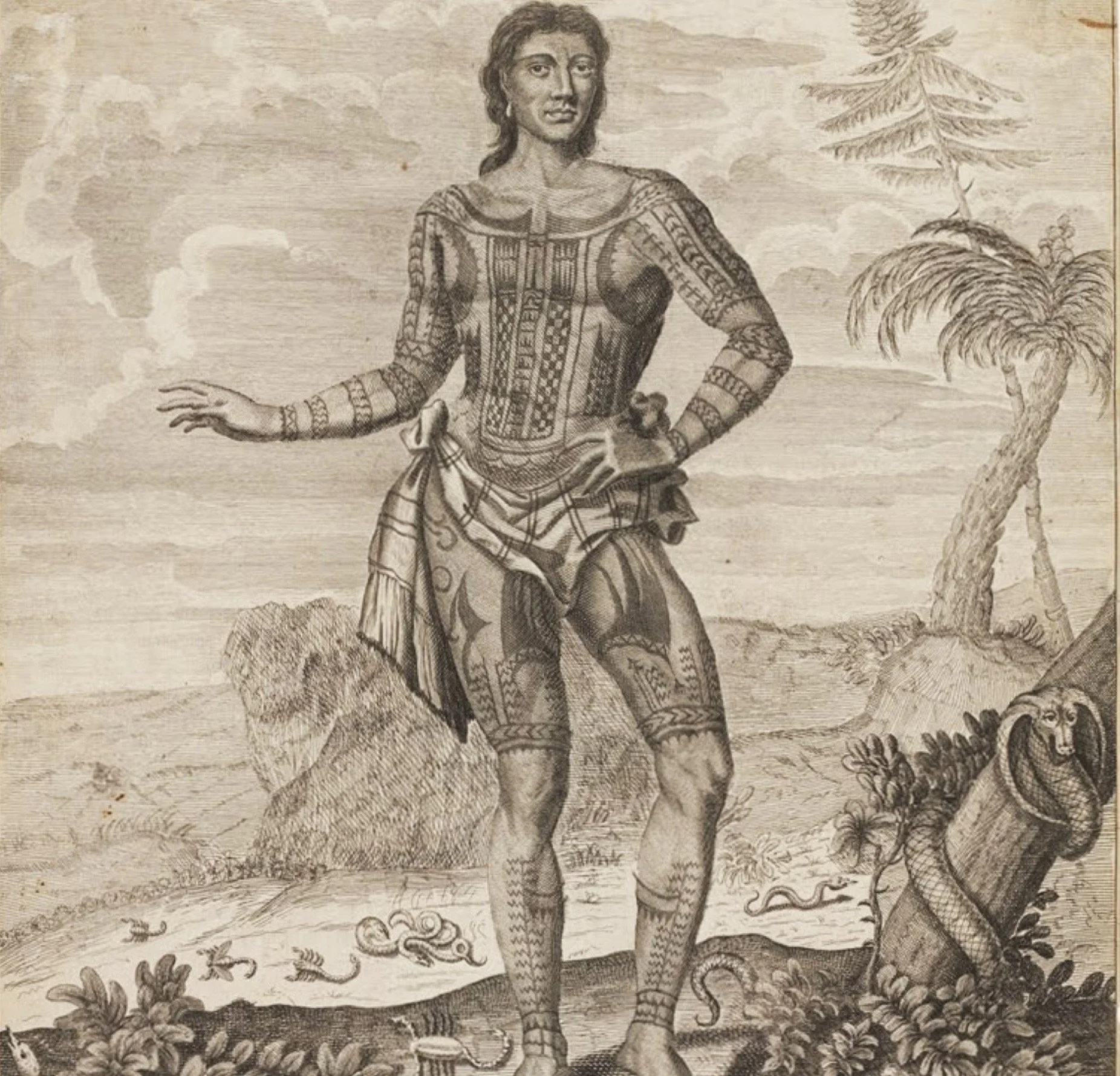
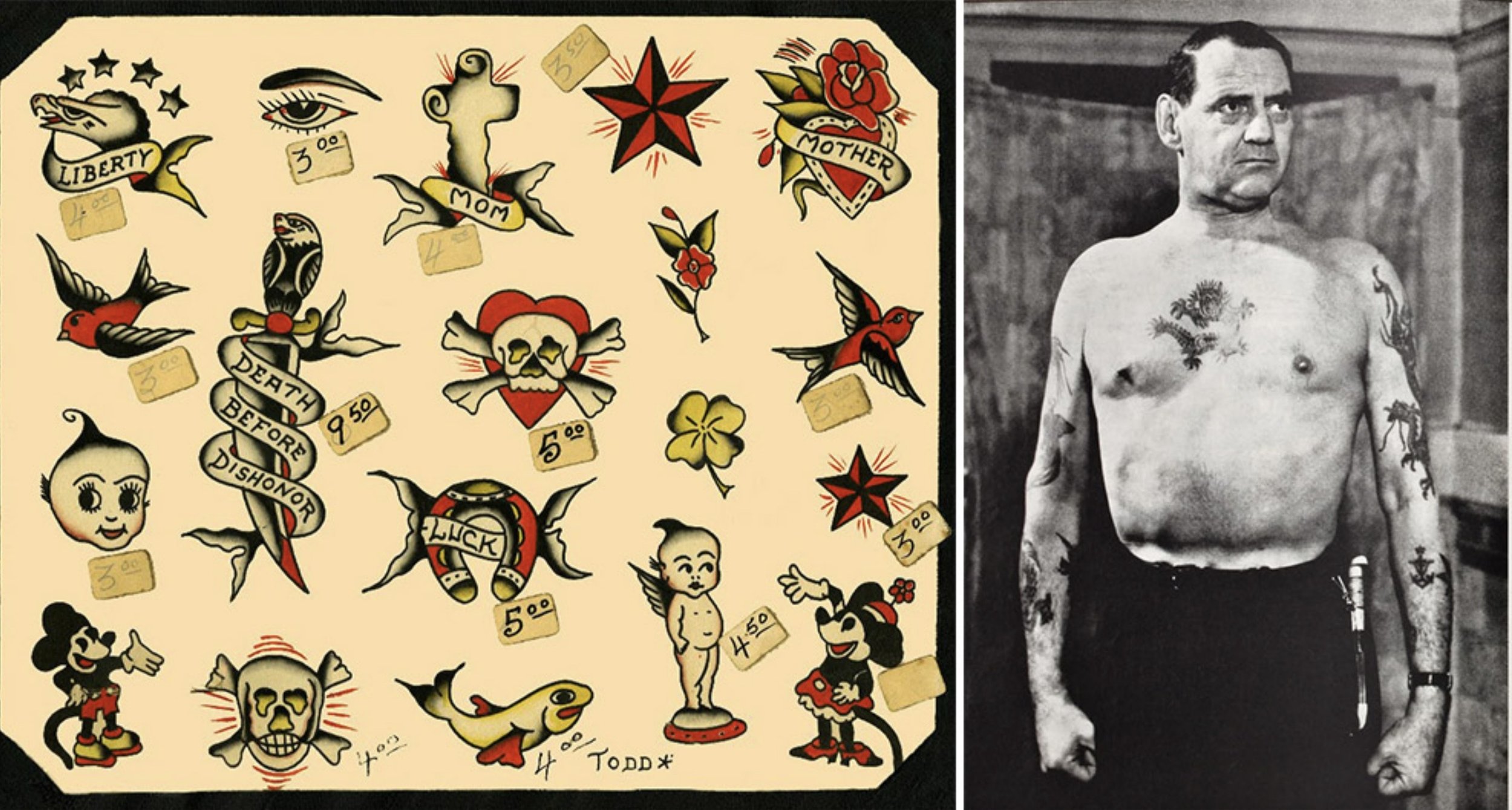
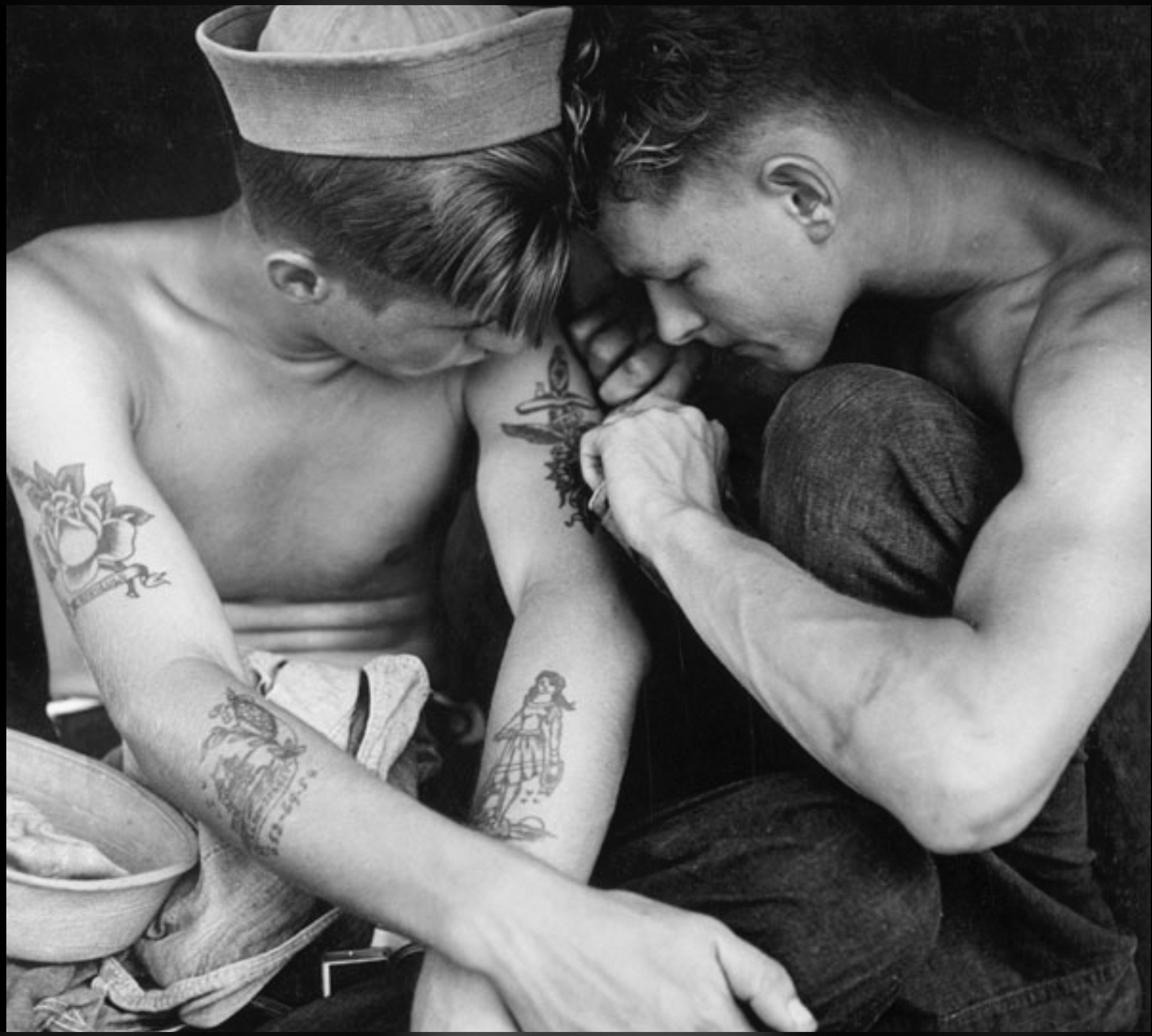
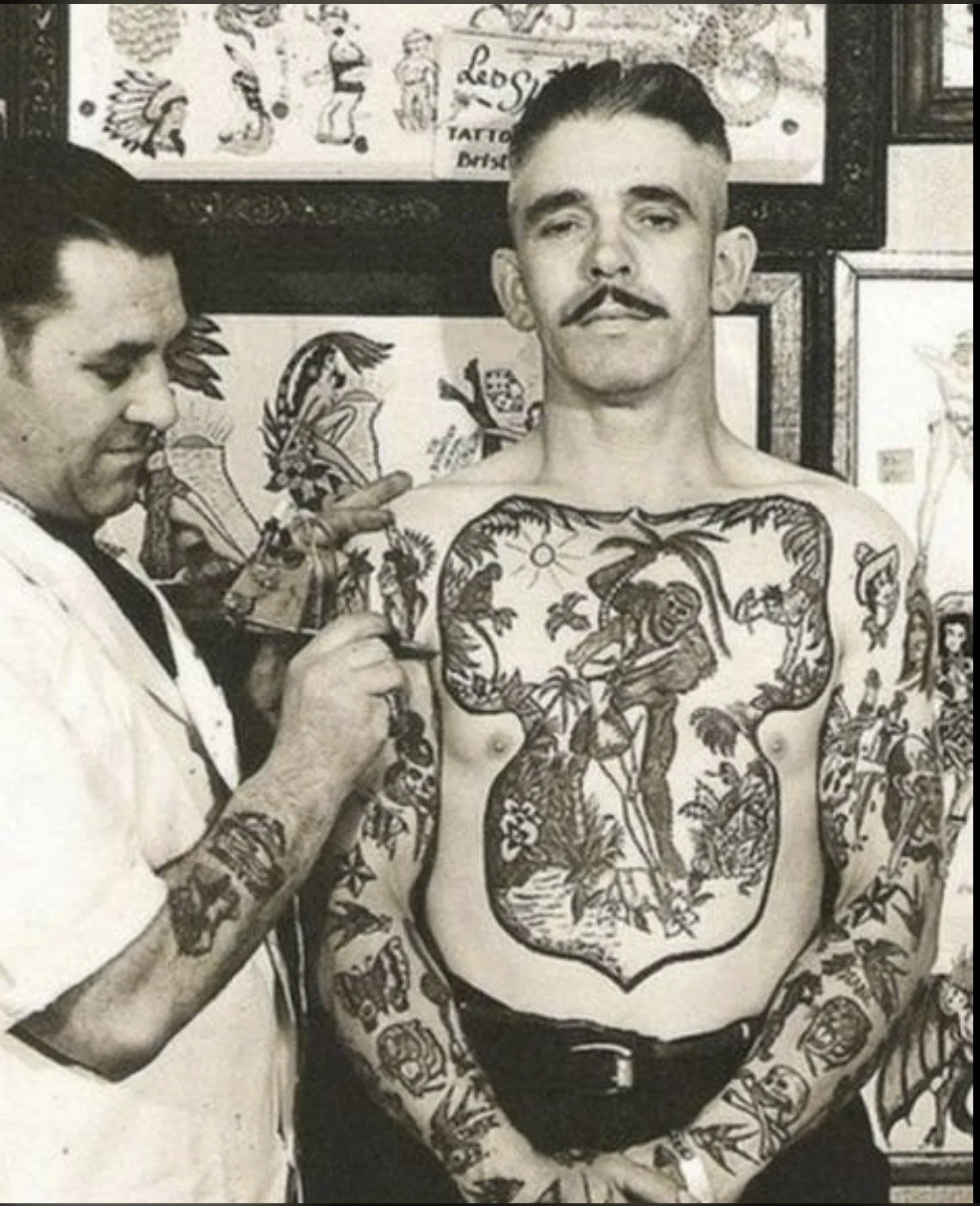
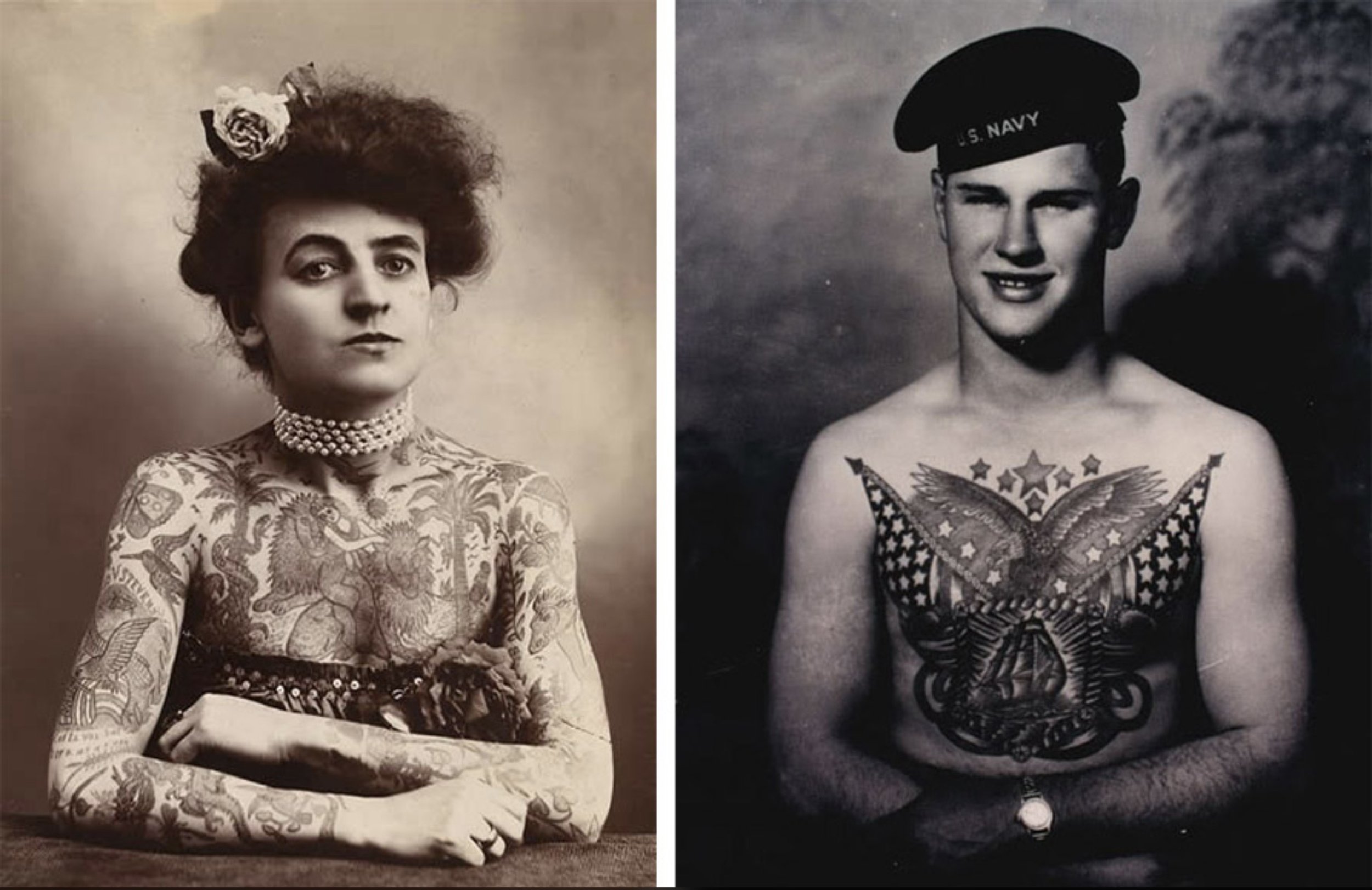
In the 19th century, around ports and barracks, tattooing became a symbol of hard lives, open seas, the margins of society and the desire for freedom.
4. The twentieth century: birth of modern tattooing
With the invention of the electric tattoo machine at the end of the 19th century, tattooing became faster, more precise and more accessible.
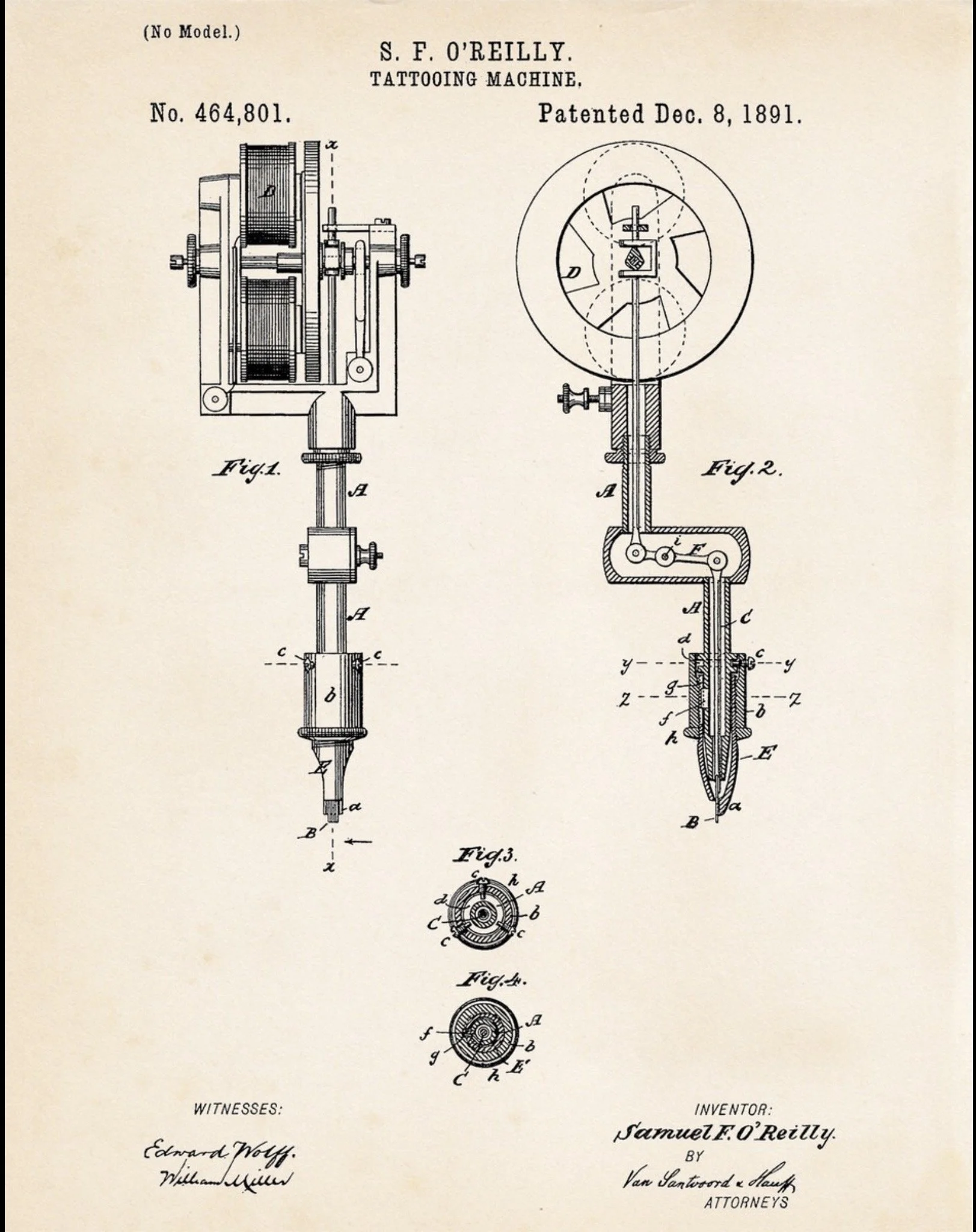
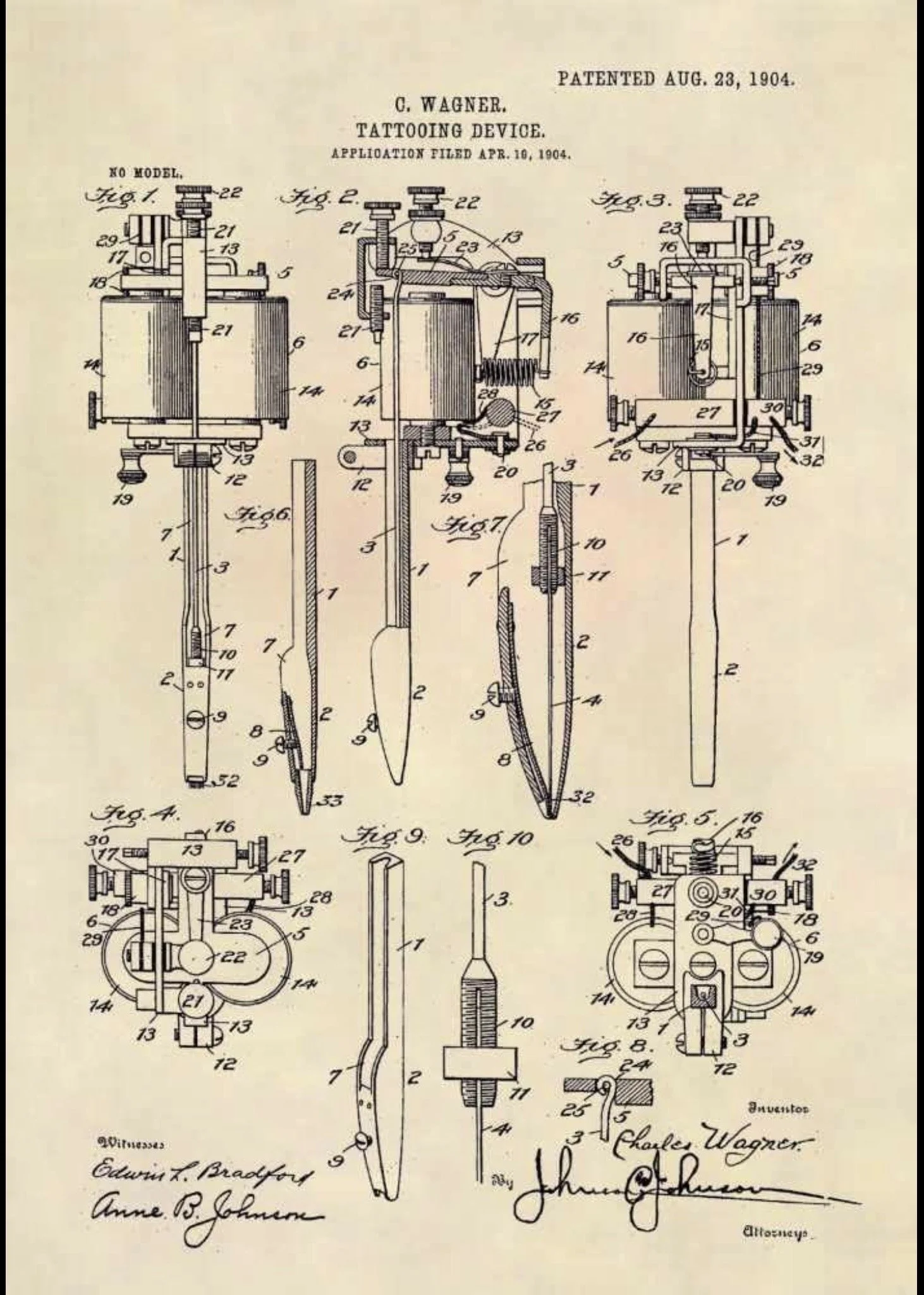
The First Tattoo Machines – Early Designs and Patents
The modern tattoo machine is the result of a long process of technical experimentation that began in the late nineteenth century. Early inventors adapted existing electrical tools to create devices capable of inserting ink into the skin with precision and consistency.
Samuel F. O’Reilly – Tattoo Machine Patent, 1891
Caption:
Samuel F. O’Reilly is credited with patenting one of the first electric tattoo machines in 1891. His design was inspired by Thomas Edison’s electric pen and adapted specifically for tattooing. This invention marked a turning point, allowing tattoos to be executed faster, more accurately, and with greater control than traditional hand methods.
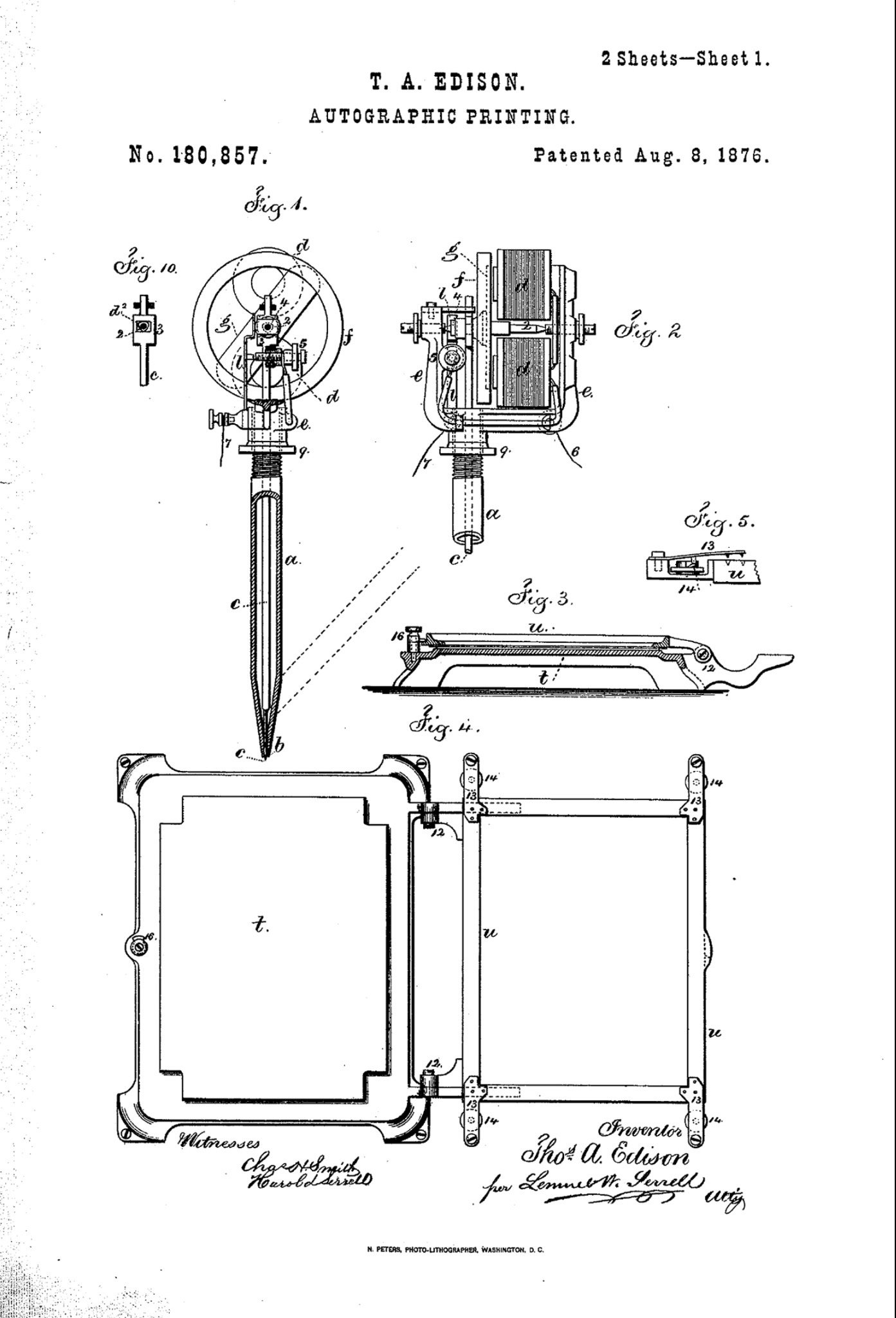
Thomas Edison – Electric Pen, 1876
Caption:
The electric pen, invented by Thomas Edison in 1876, was originally designed for duplicating documents. Although not created for tattooing, its reciprocating needle mechanism became the technological foundation for the first tattoo machines. Many early tattooists modified this device for use on skin.
Charles Wagner – Tattoo Machine Patent, 1904
Caption:
Charles Wagner further developed the electric tattoo machine in 1904, refining its structure and improving stability and ergonomics. His design represents an important step towards a more practical and professional tattooing tool, closer in concept to machines still used today.
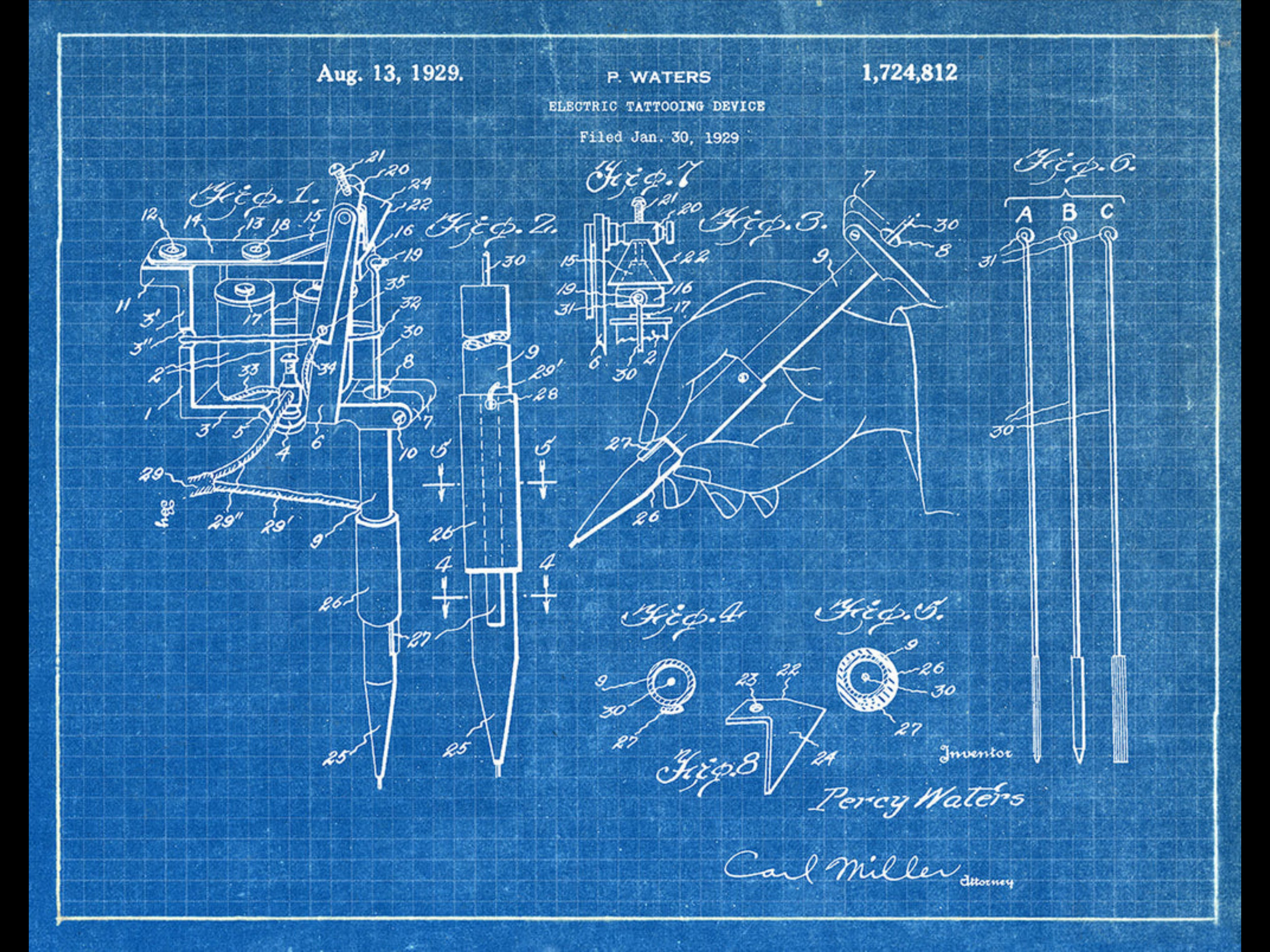
Percy Waters – Tattoo Machine Patent, 1929
Caption:
Percy Waters played a key role in standardising tattoo equipment during the early twentieth century. His 1929 patent introduced improvements in reliability and consistency, helping to establish tattooing as a recognised professional practice rather than a marginal or improvised craft.
In the 20th century, the main modern styles emerged:
Old School / Traditional – Bold black outlines, solid colours (red, yellow, green), nautical themes, pin-ups, eagles, daggers, panthers. The language of sailors, bikers and rebels.
Japanese / modern Irezumi – Large compositions on back, arms and legs with dragons, koi, samurai, hannya masks, flowers and waves forming continuous narratives.
Tribal – From the 1980s–90s onwards, inspired by Polynesian and Maori traditions but reinterpreted as abstract black designs.
Realism and portrait work – Faces, animals, landscapes and objects rendered almost like photographs.
New School – Acid colours, exaggerated volumes, strong influences from comics and graffiti.
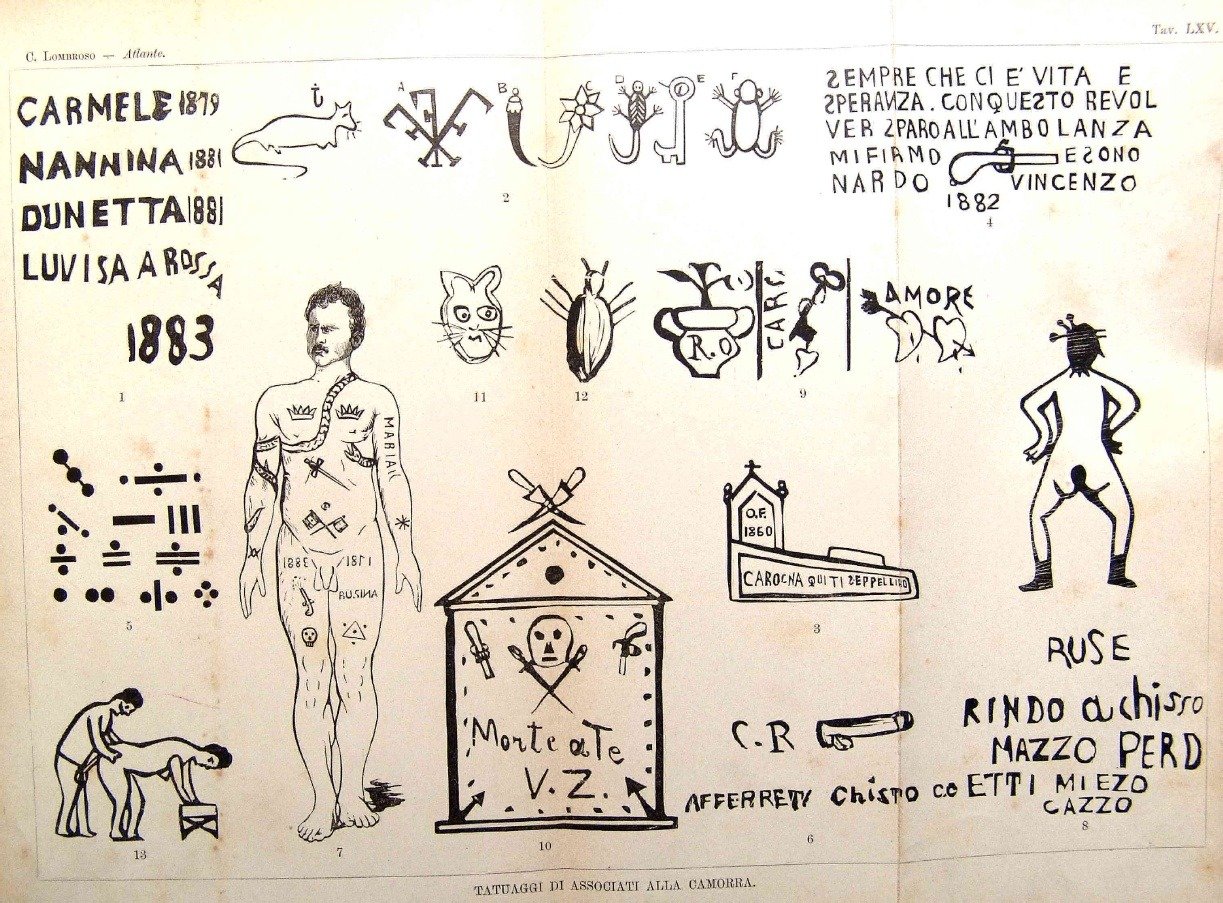
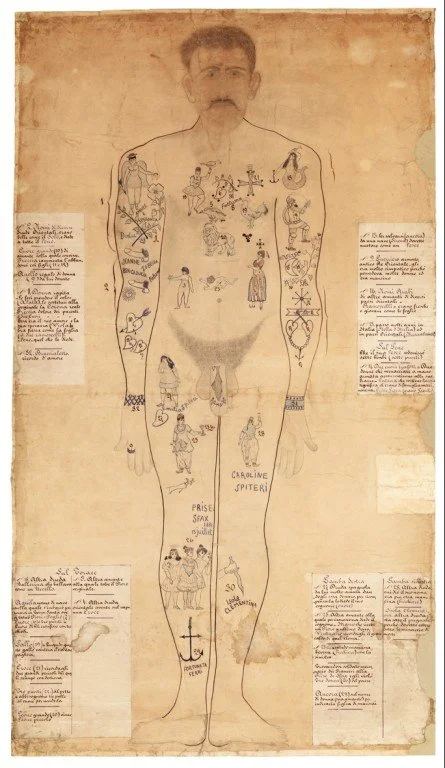
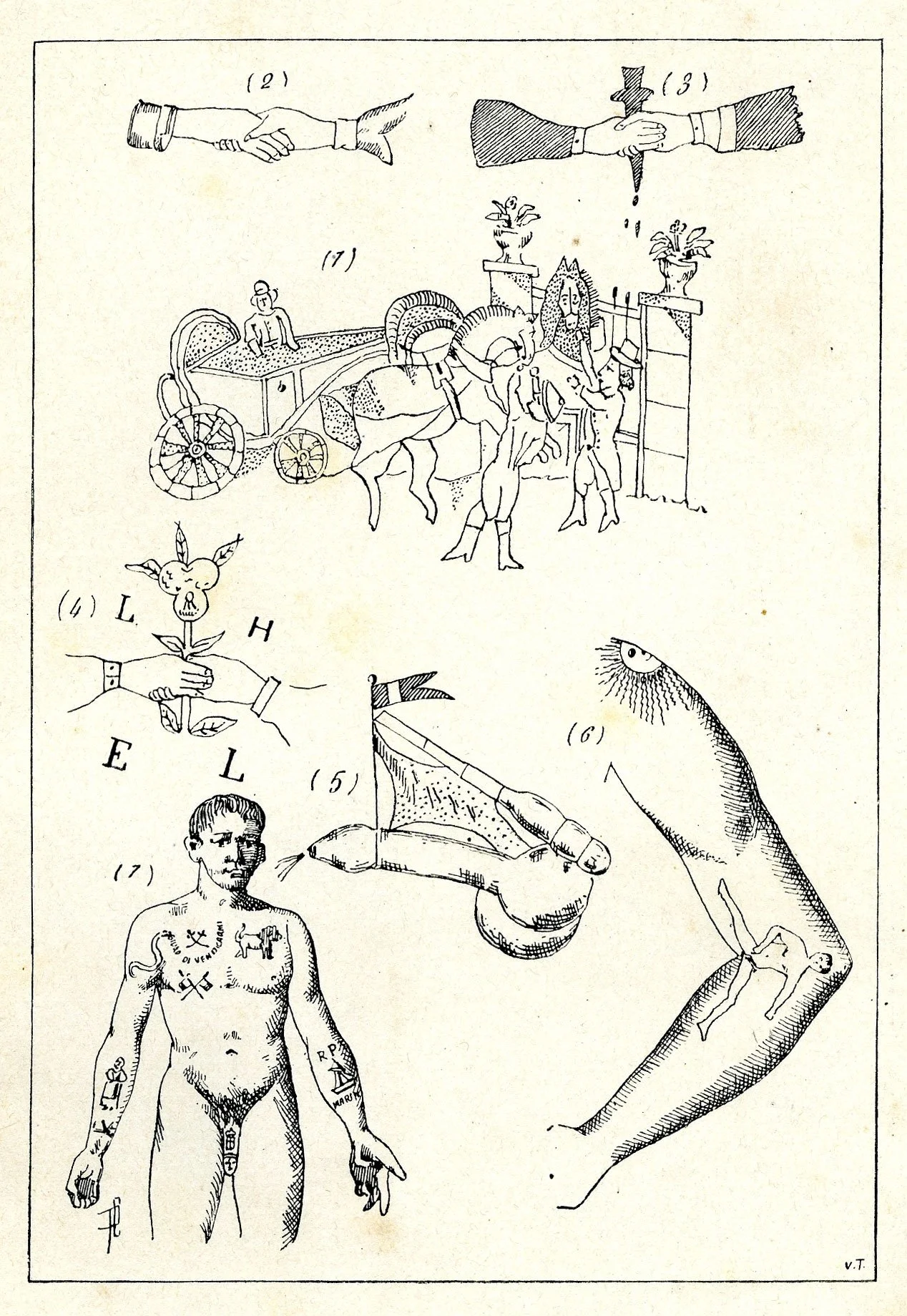
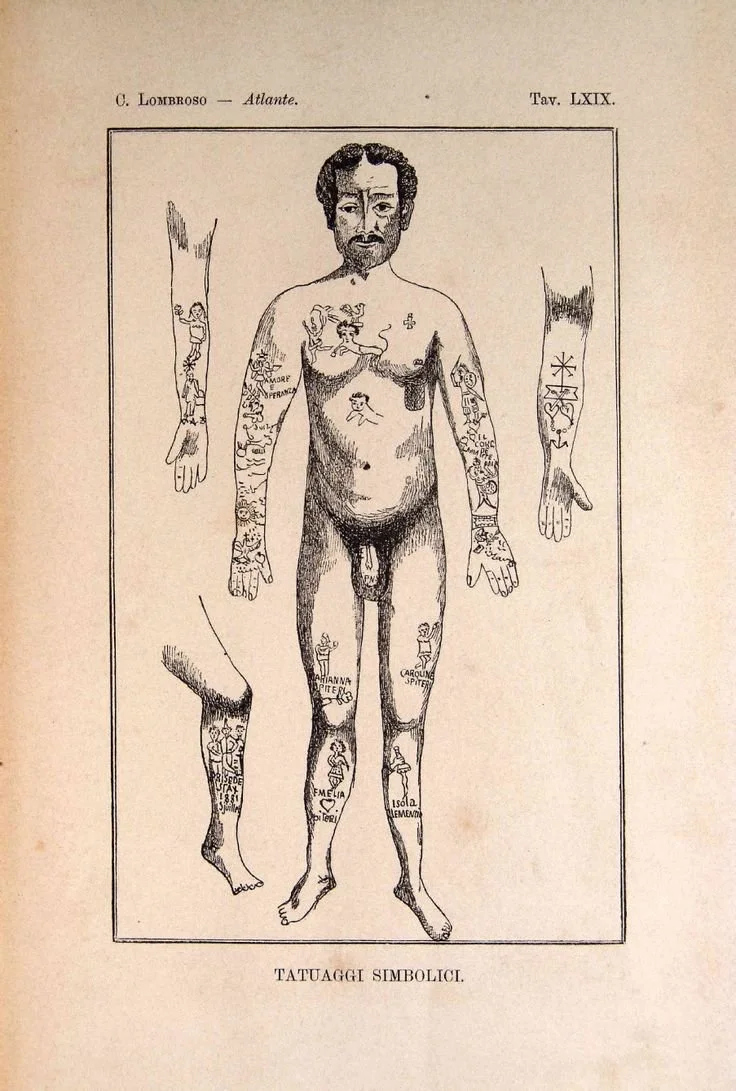
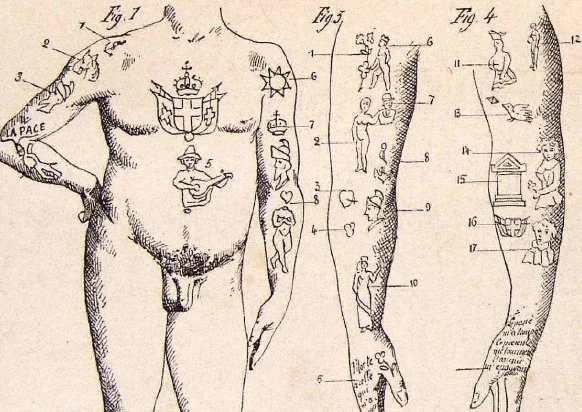
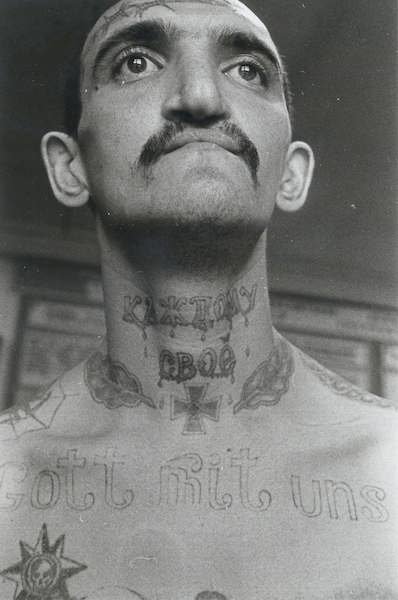
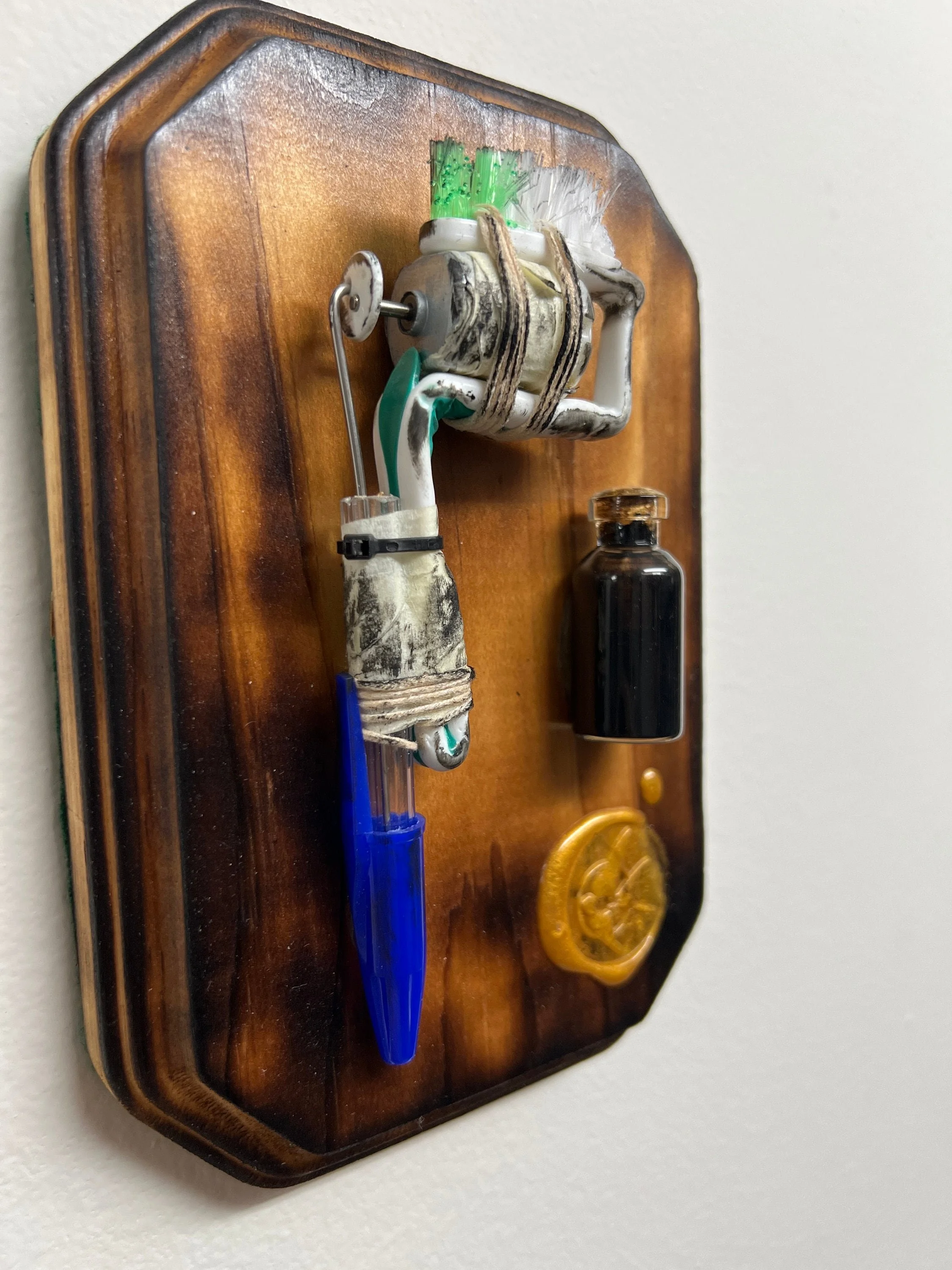
For many decades tattoos in Western societies stayed associated with prisons, the army and underground subcultures. For that very reason, they became powerful symbols of rebellion and alternative identity.
5. From taboo to living gallery (today)
Since the 2000s tattoos have entered everyday life. Actors, musicians, athletes and influencers show their ink openly, and social media spreads styles and ideas across the world. The tattooist is no longer just a craftsman but a contemporary artist.
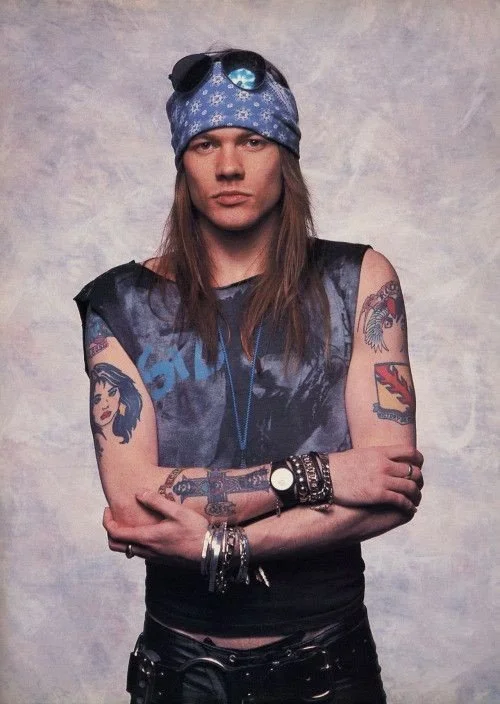
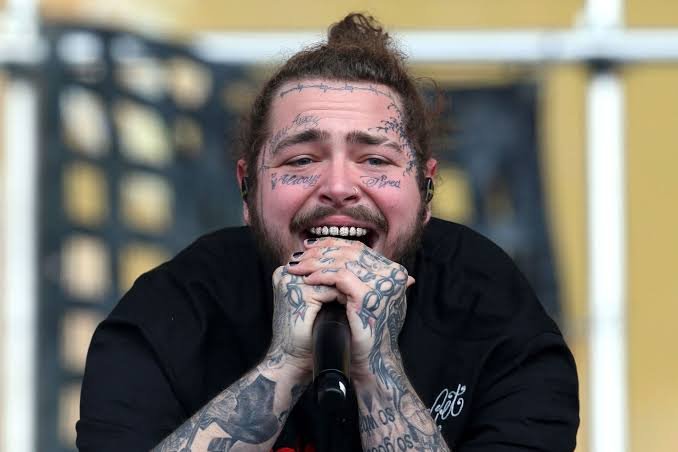
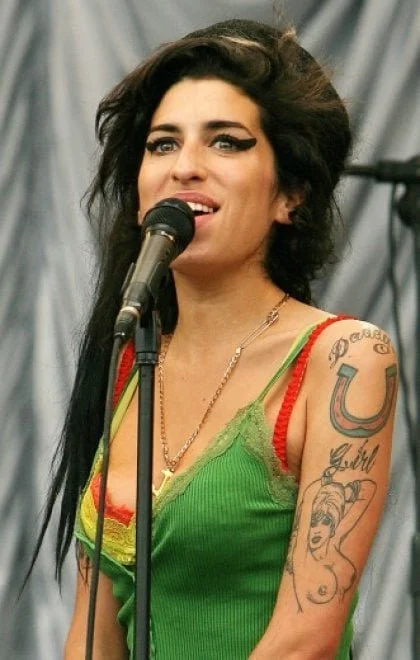
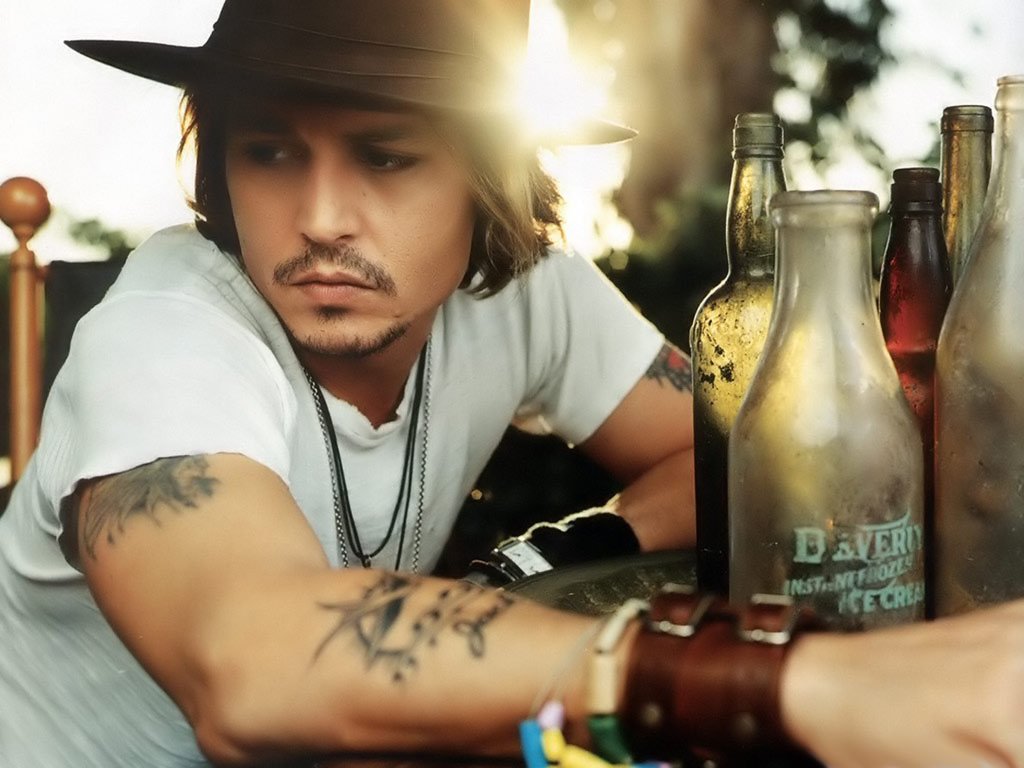
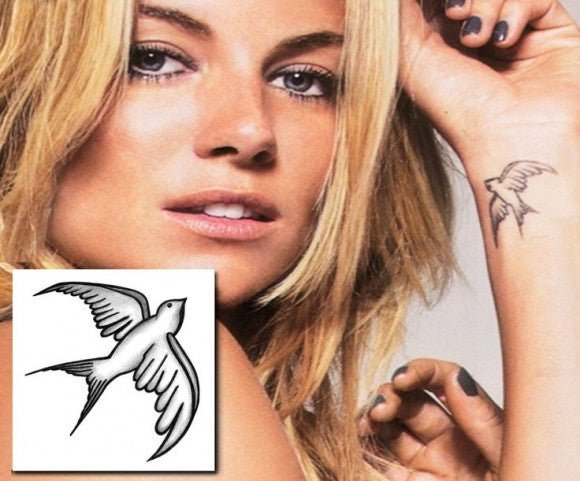
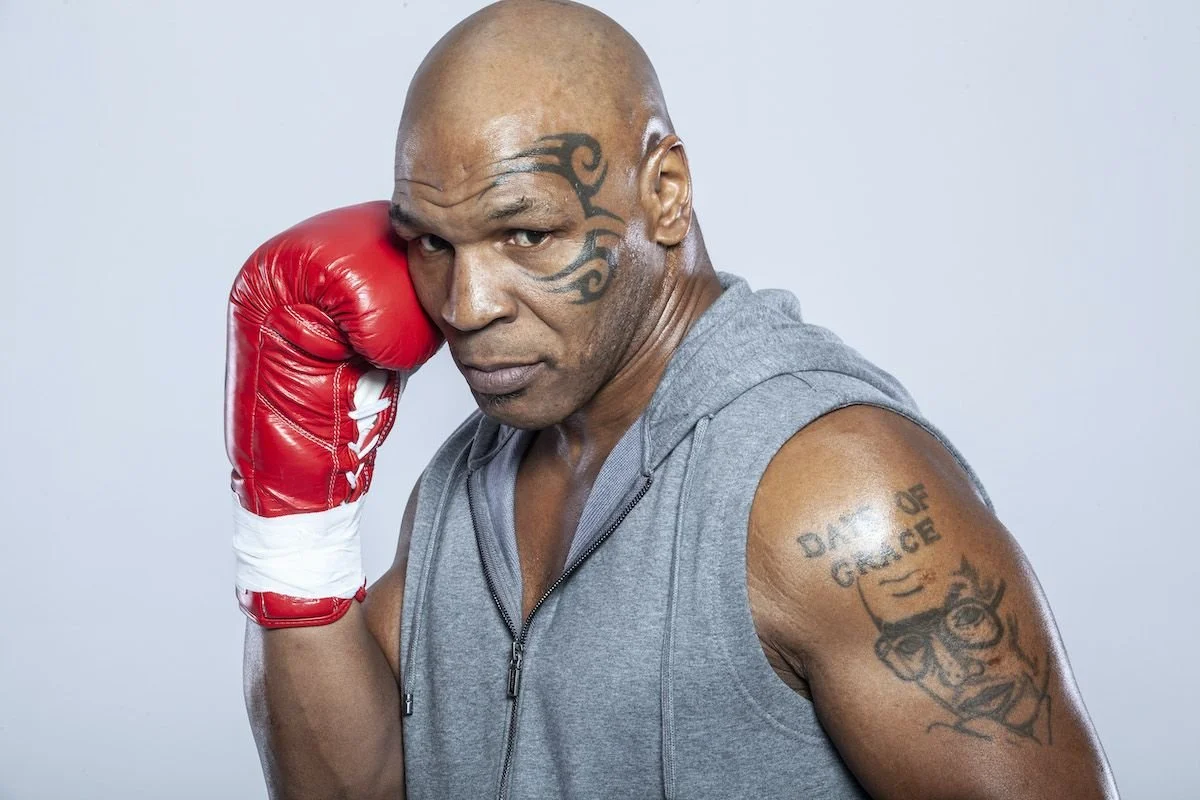
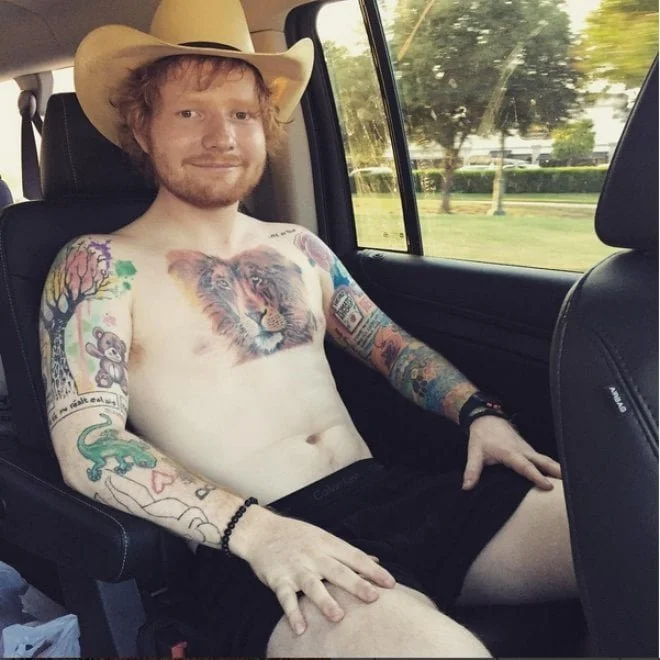
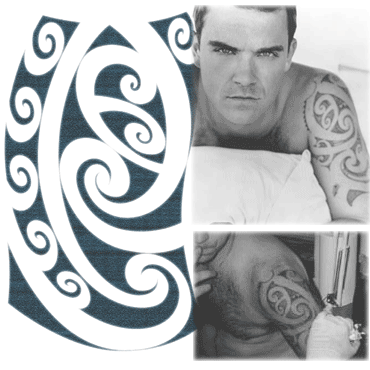
Today, tattoos are:
Personal expression – Words, symbols, dates, portraits of loved ones. The skin becomes an emotional diary.
Visual art – Backs, arms and legs turn into canvases with complex compositions, shadows and references to painting and street art.
A meeting point of cultures – Japanese motifs with old school lines, sacred geometry with realistic flowers, mandalas with pop elements: cross-pollination is the new norm.
MY WORKS by Valerio Doddi
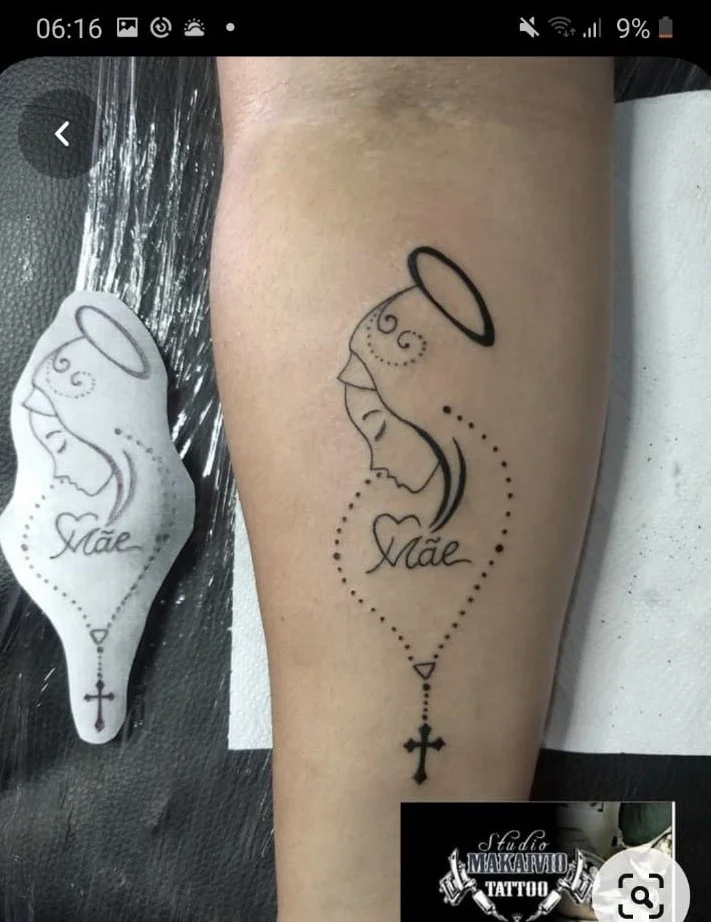
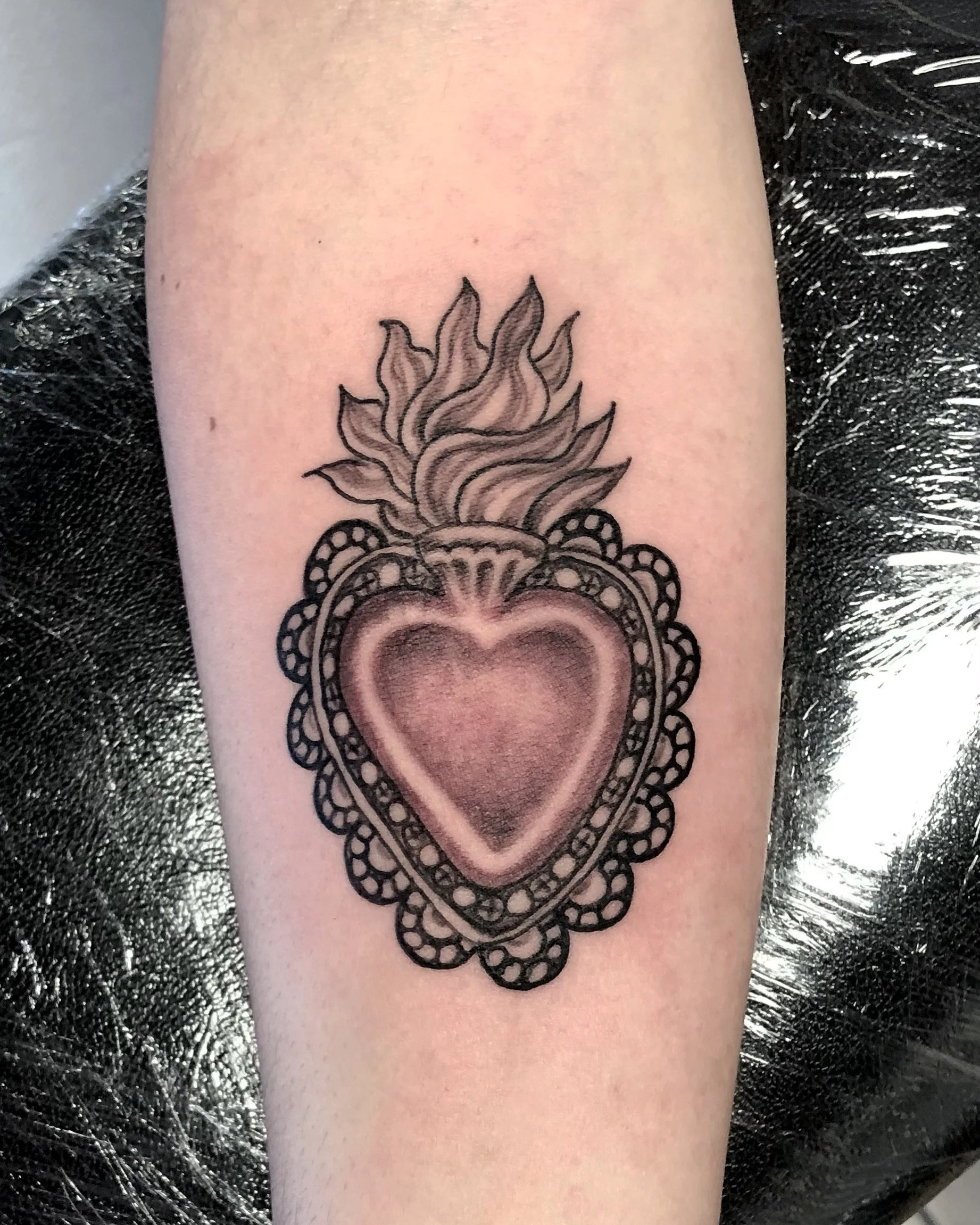
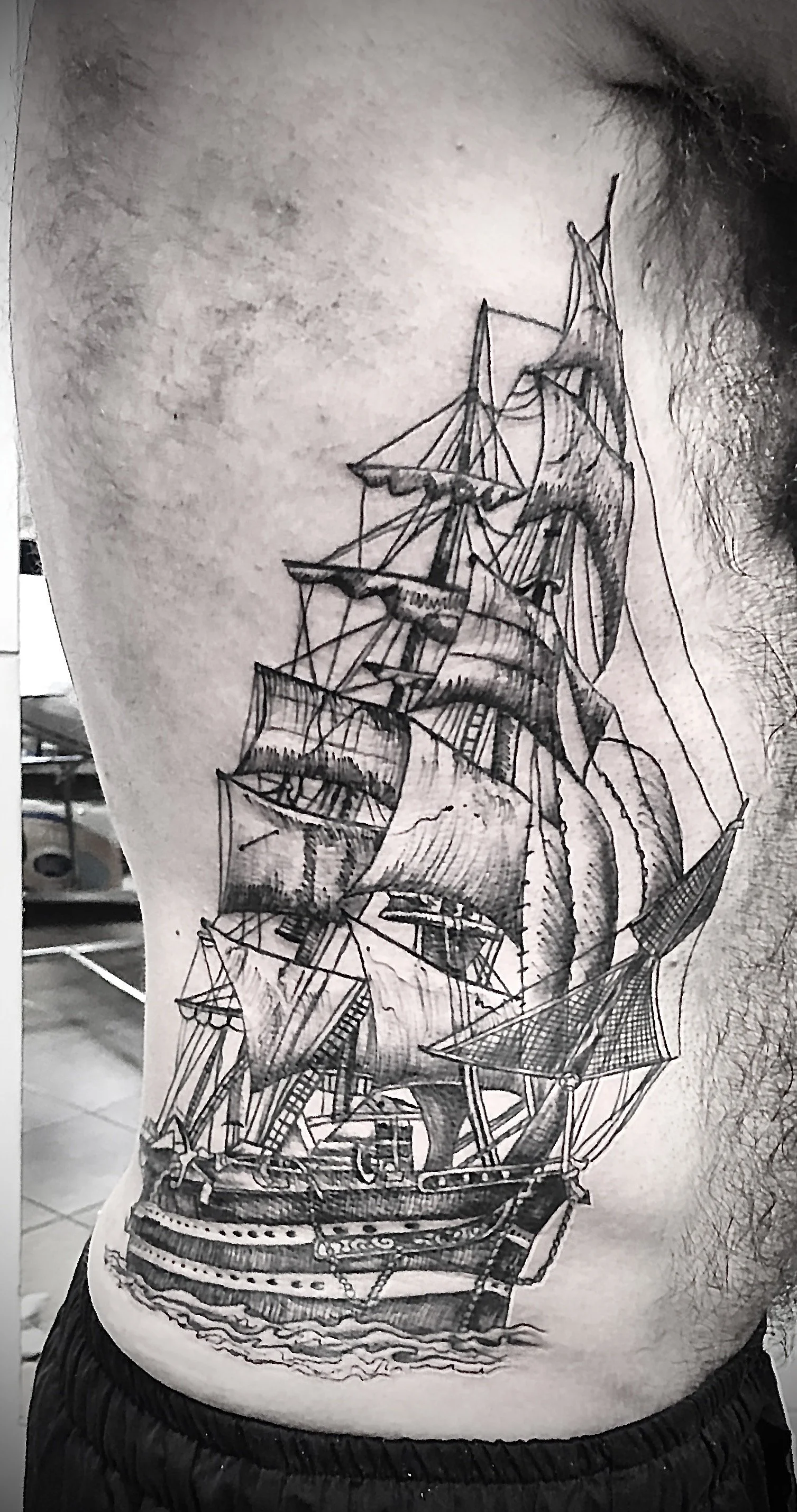
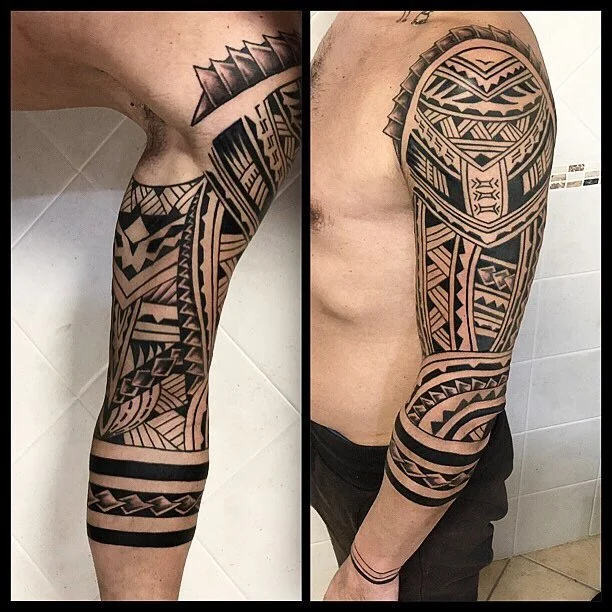
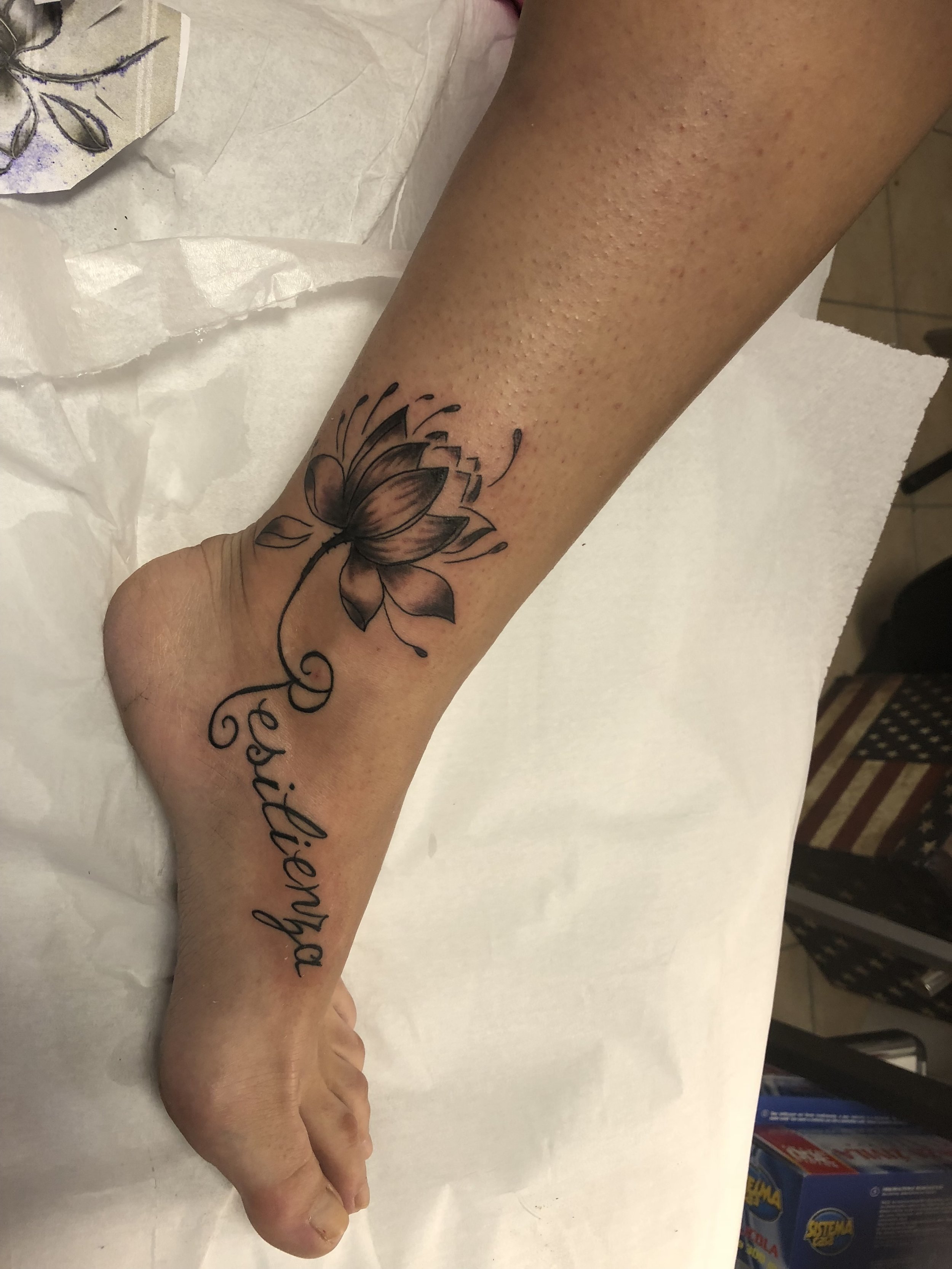
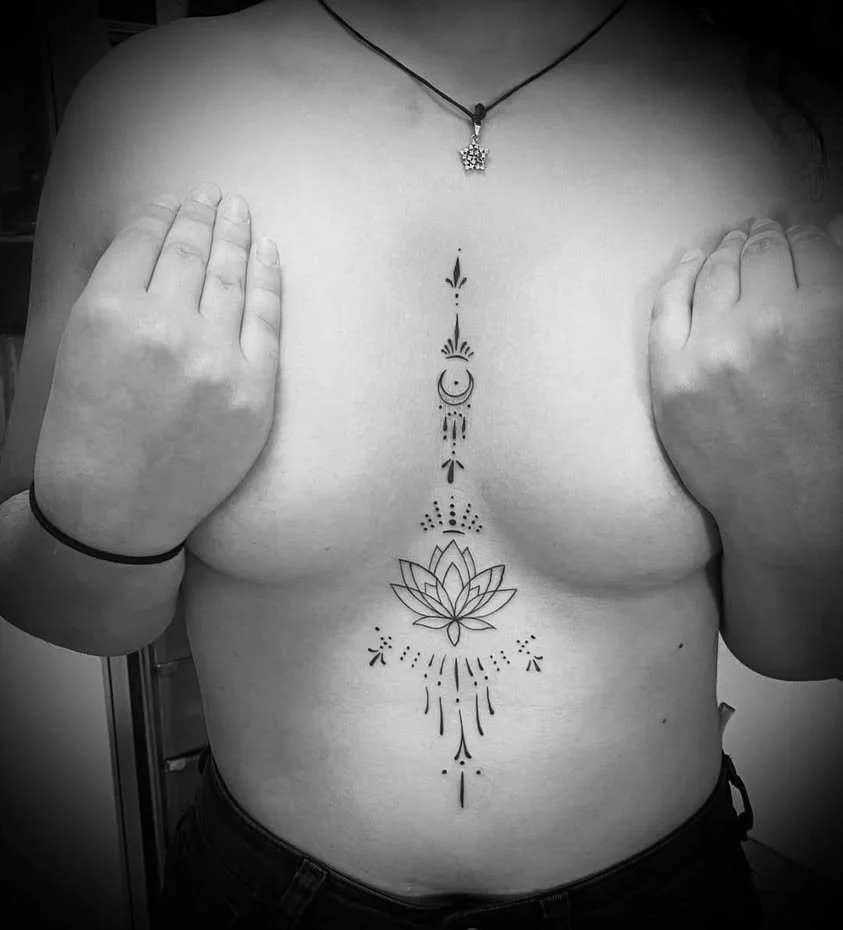
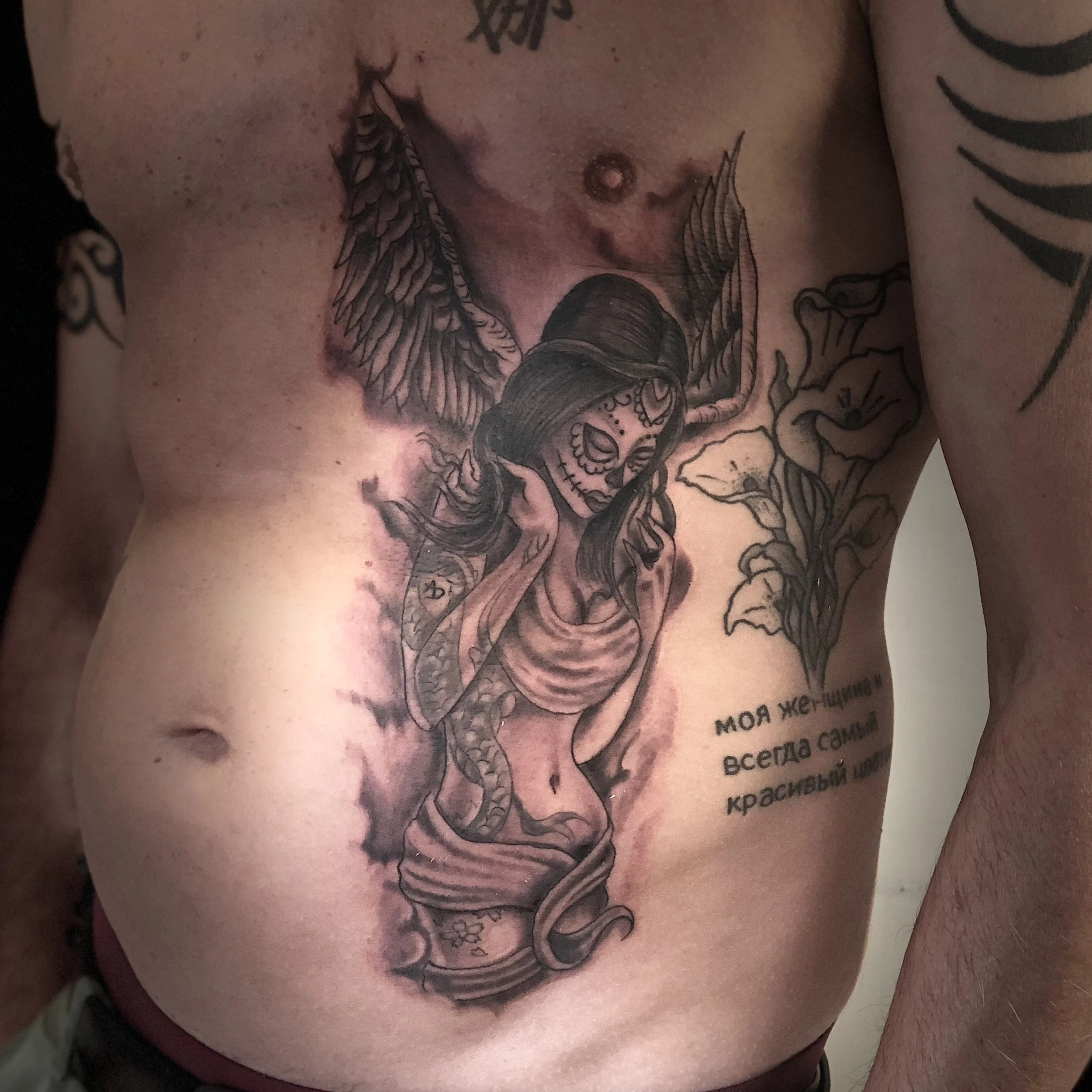
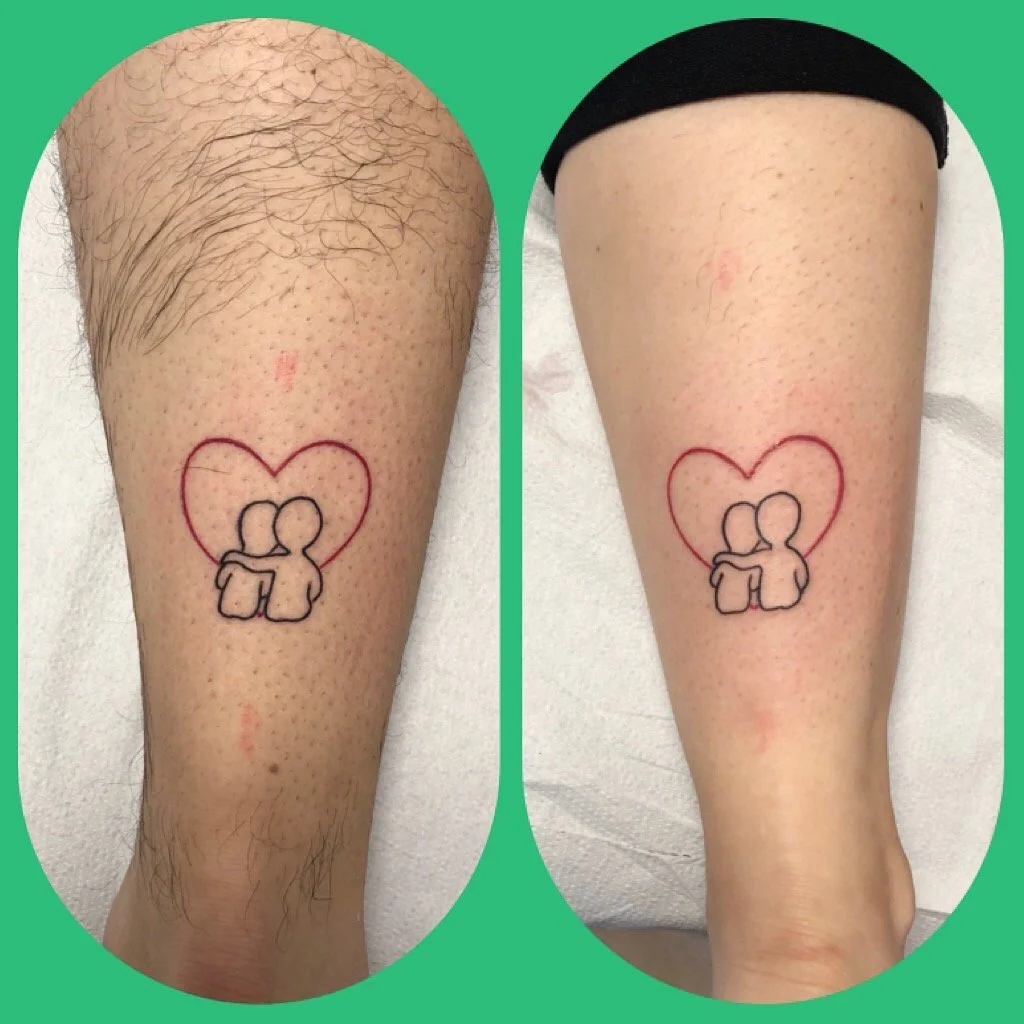
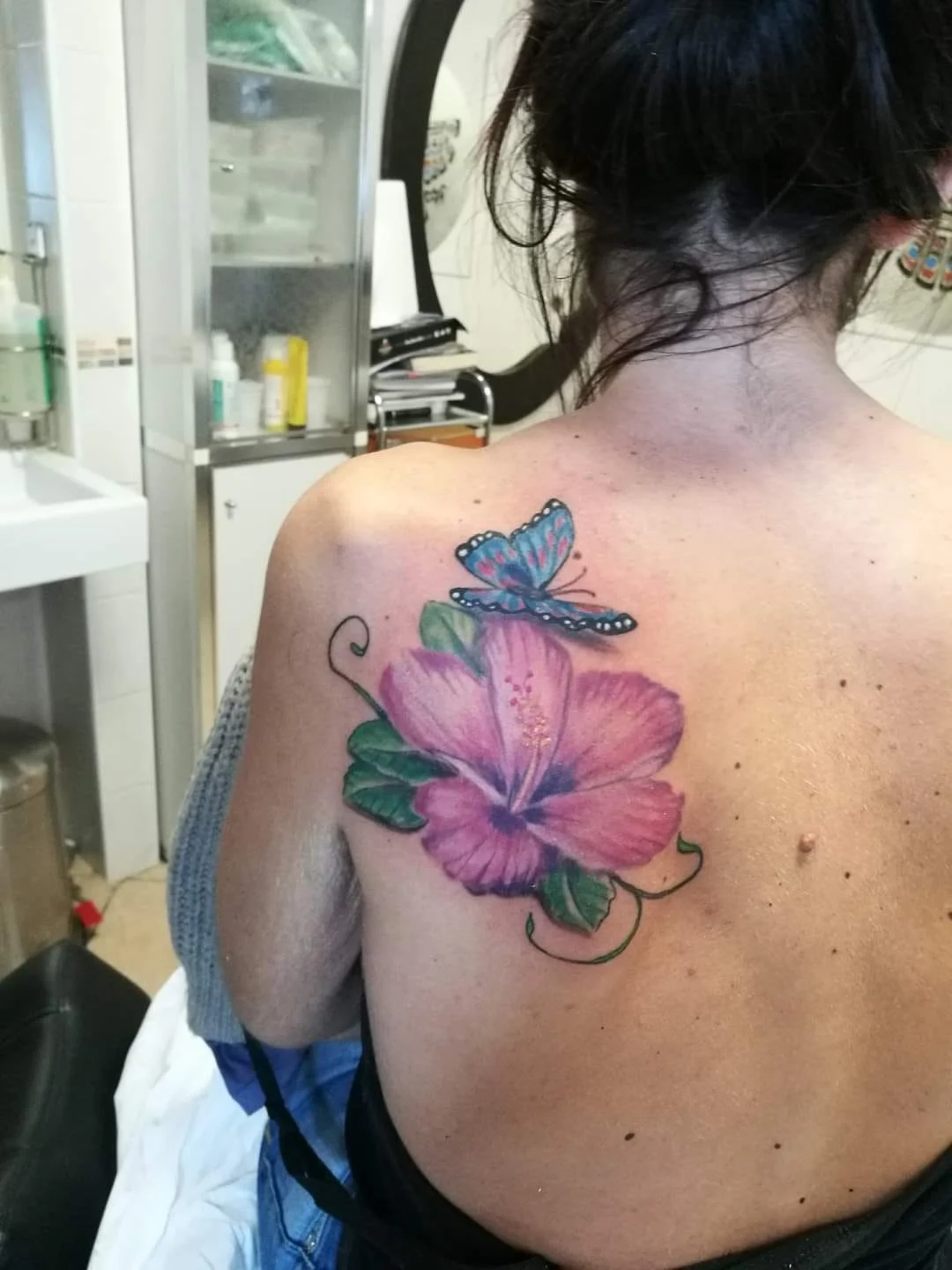
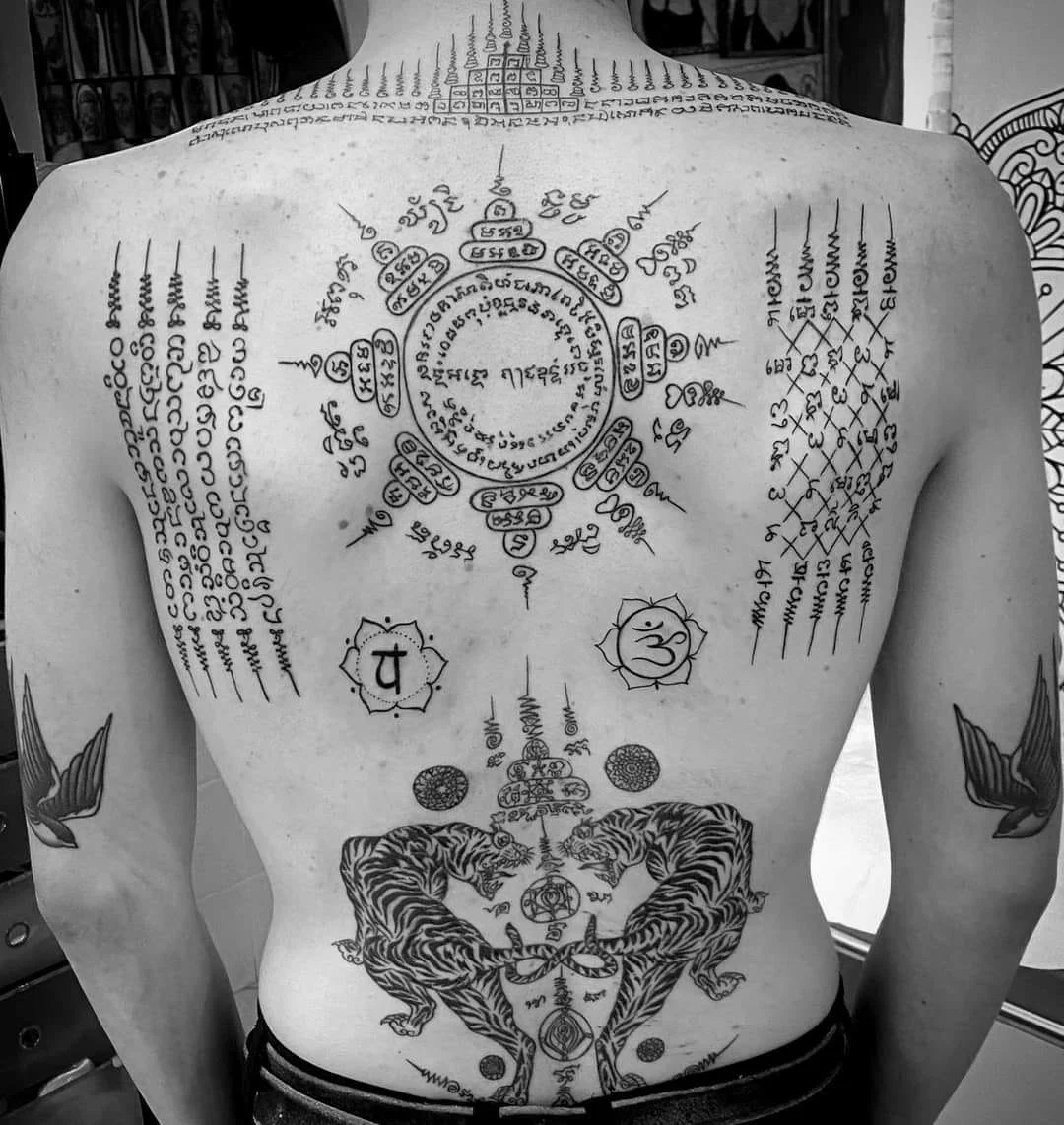
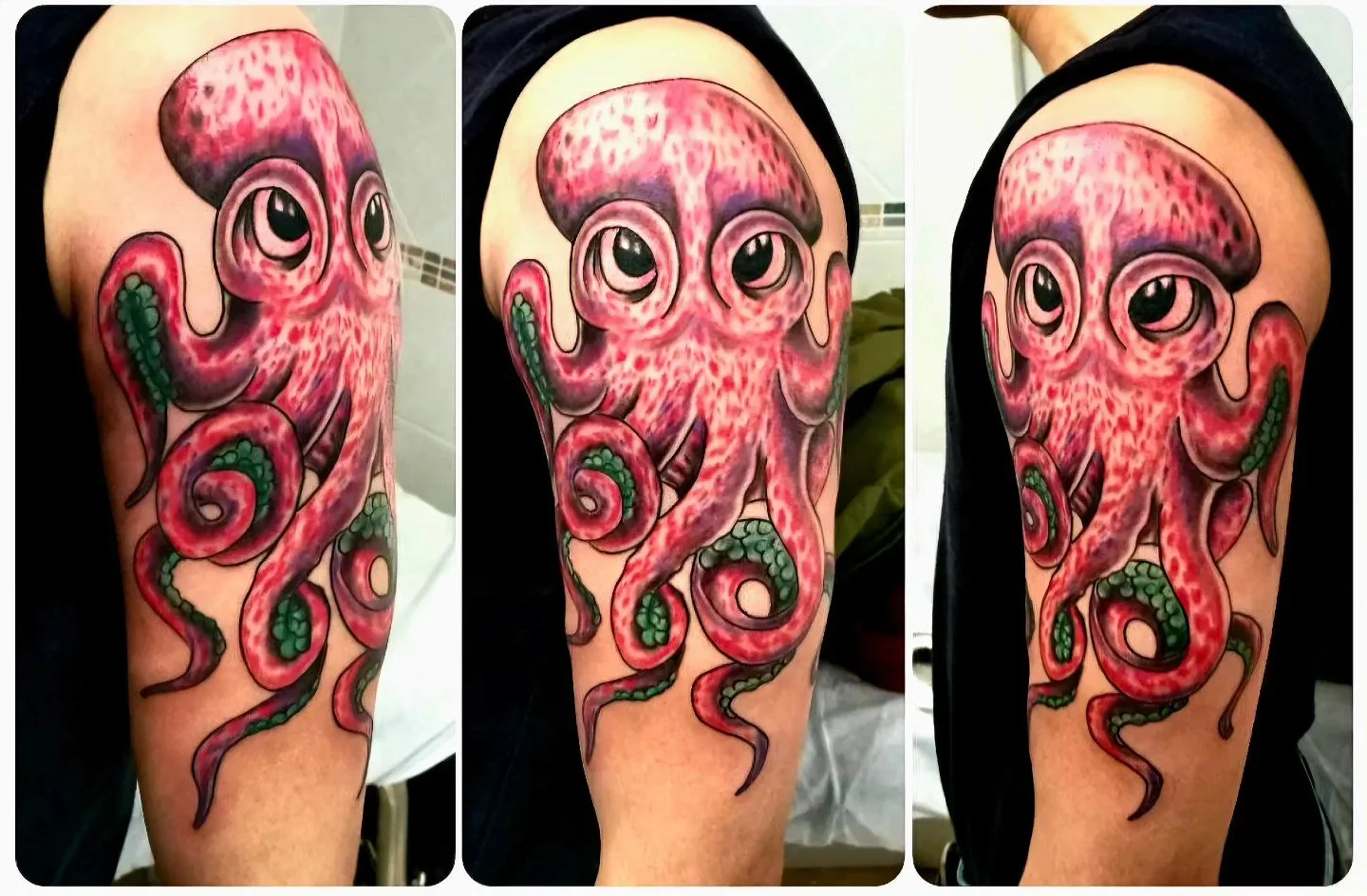
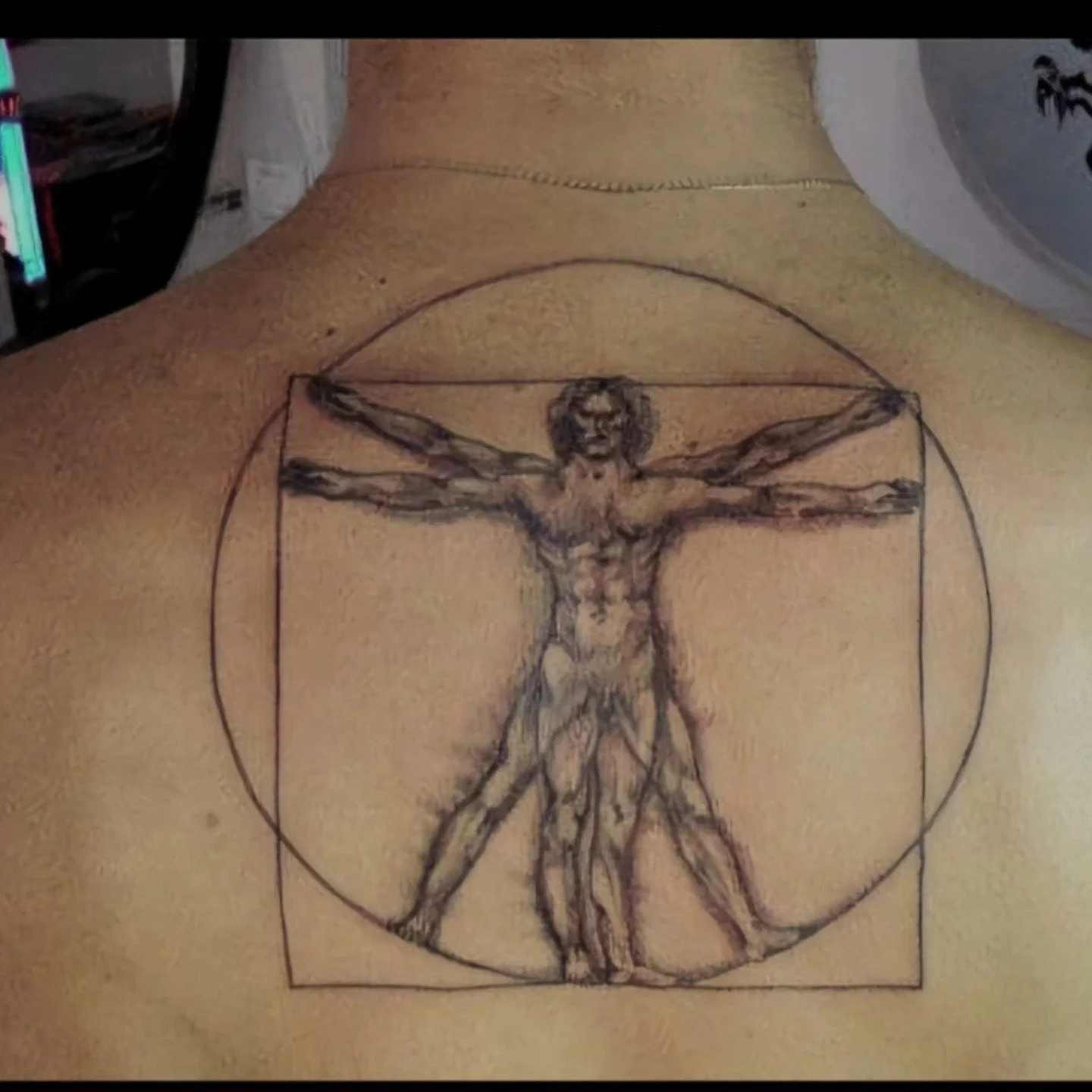
Many contemporary styles are now well established:
Neo-traditional – Based on old school but richer in details, softer shading and extended colour palettes.
Blackwork & geometric – Fully black tattoos, solid areas, patterns, lines and abstract or sacred figures.
Dotwork & mandala – Designs built from tiny dots: mandalas, sacred geometry, mystical images.
Watercolour – Soft, “painted” colours, often with minimal outlines.
Fine line / minimal – Very thin lines, small clean pieces, delicate and refined.
Lettering – Carefully designed scripts, custom fonts, where writing itself becomes an image.
6. Meaning today: identity, memory and transformation
If in the past tattoos showed which group you belonged to, today they tell the story of who you are and who you want to become. They can be:
a personal talisman,
a rite of passage (birth of a child, grief, new chapter in life),
a sign of resilience after difficult experiences,
or simply a declaration of love for art and for one’s own body.
In my work as a tattoo artist I connect this long history with contemporary creativity: each piece is custom-designed, a unique artwork that carries fragments of culture, memory and desire on the skin.
