
History of Piercings
1. Ancient Origins – The Body as a Sacred Space
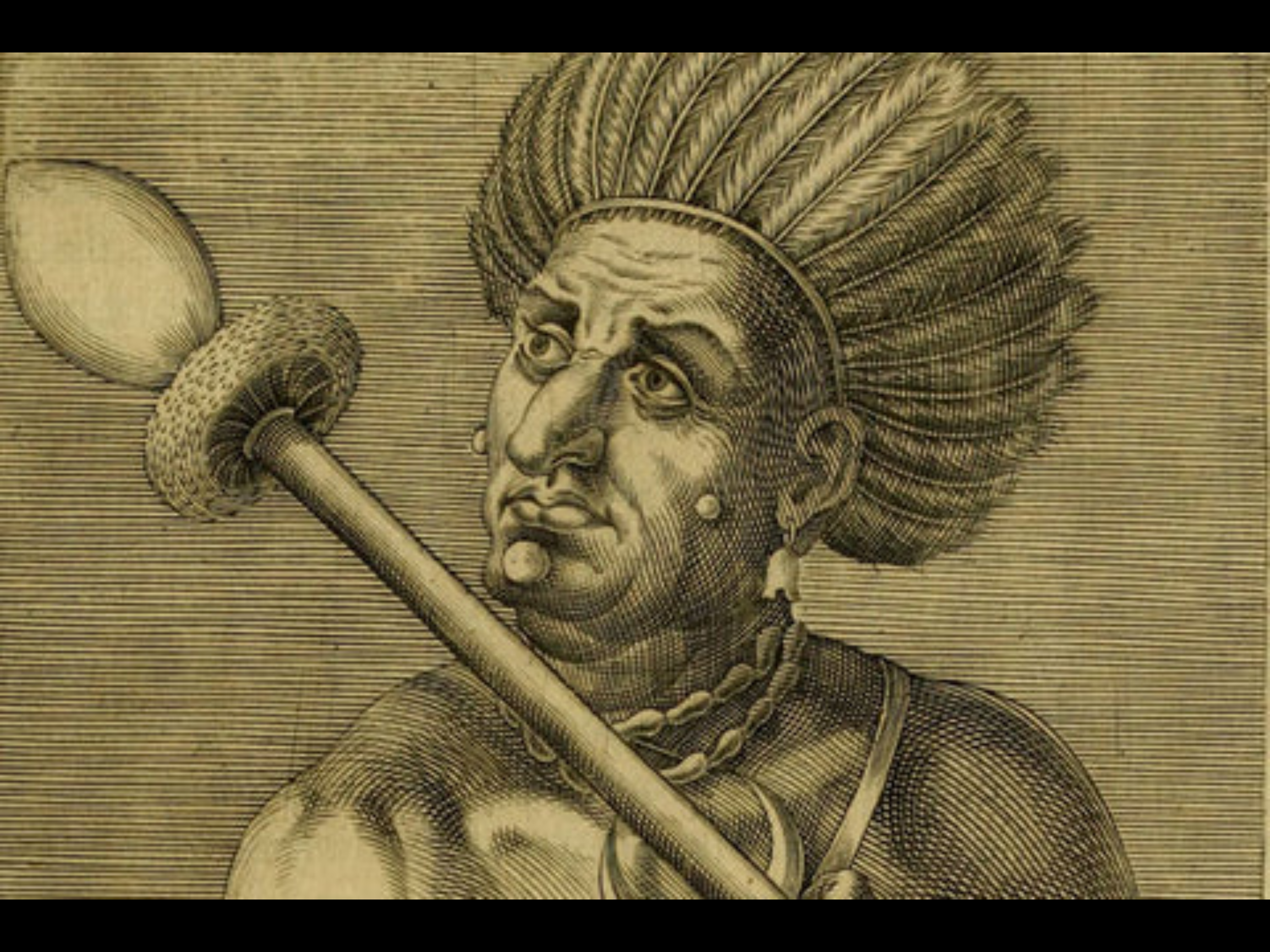
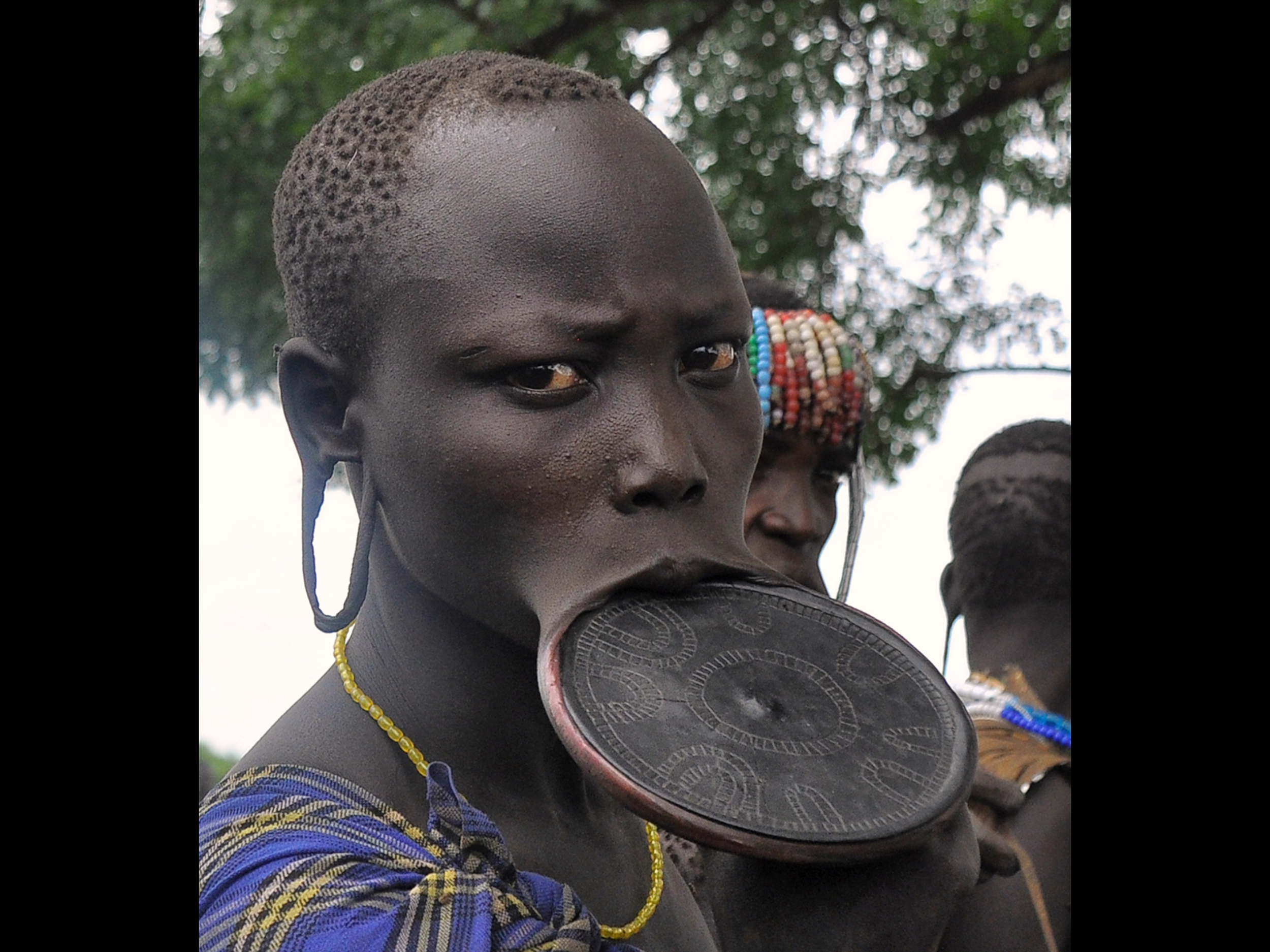
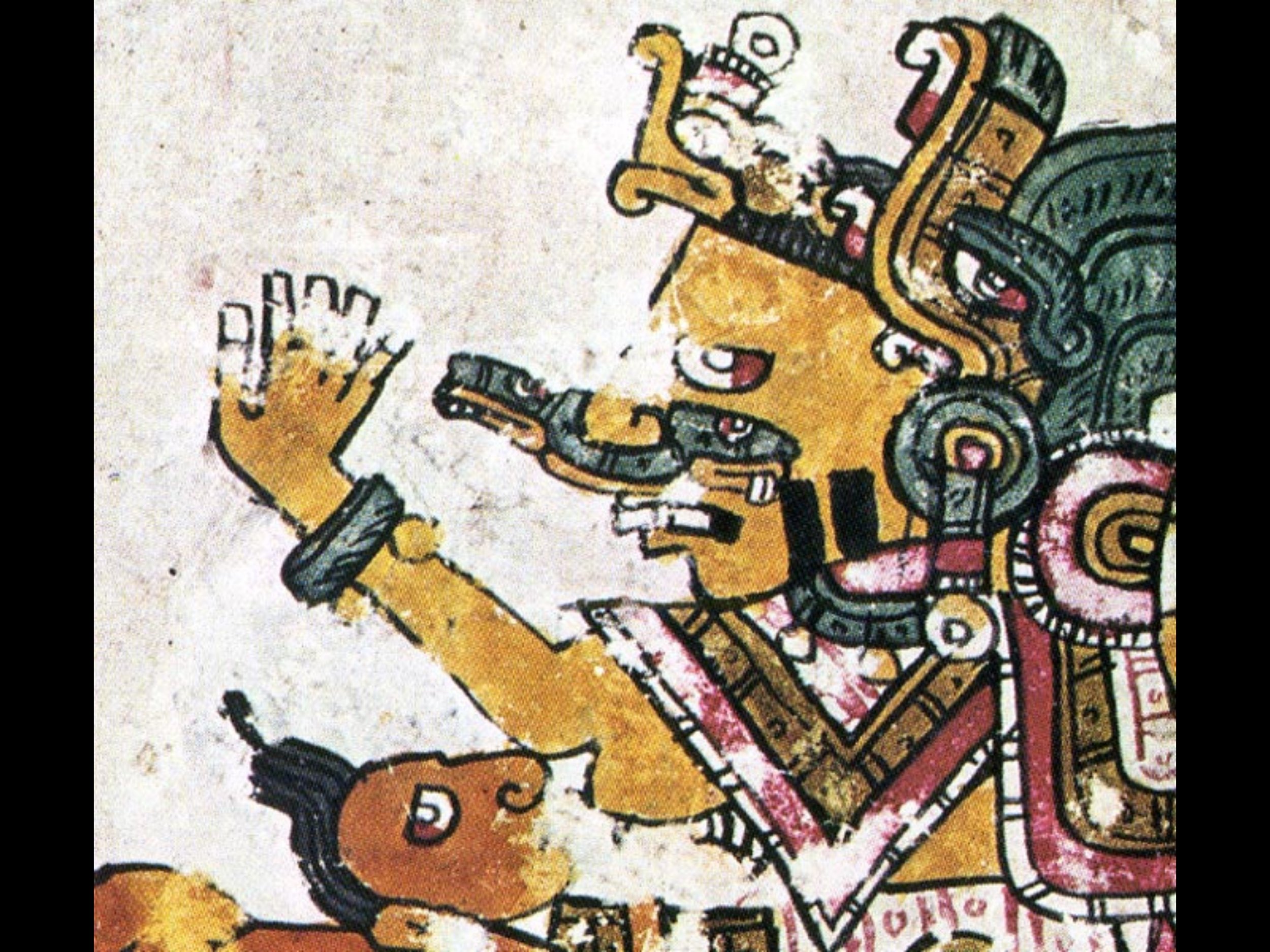
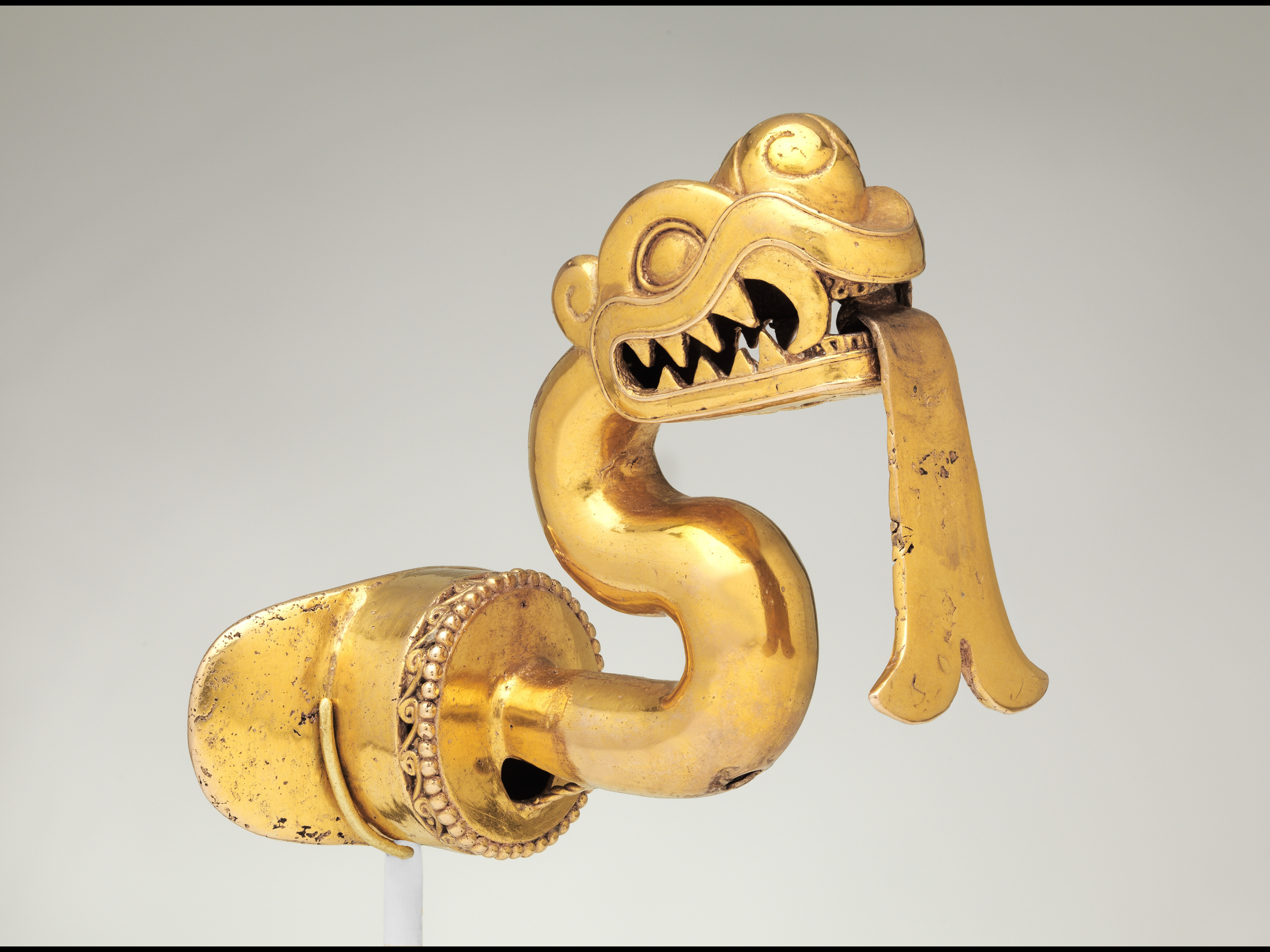
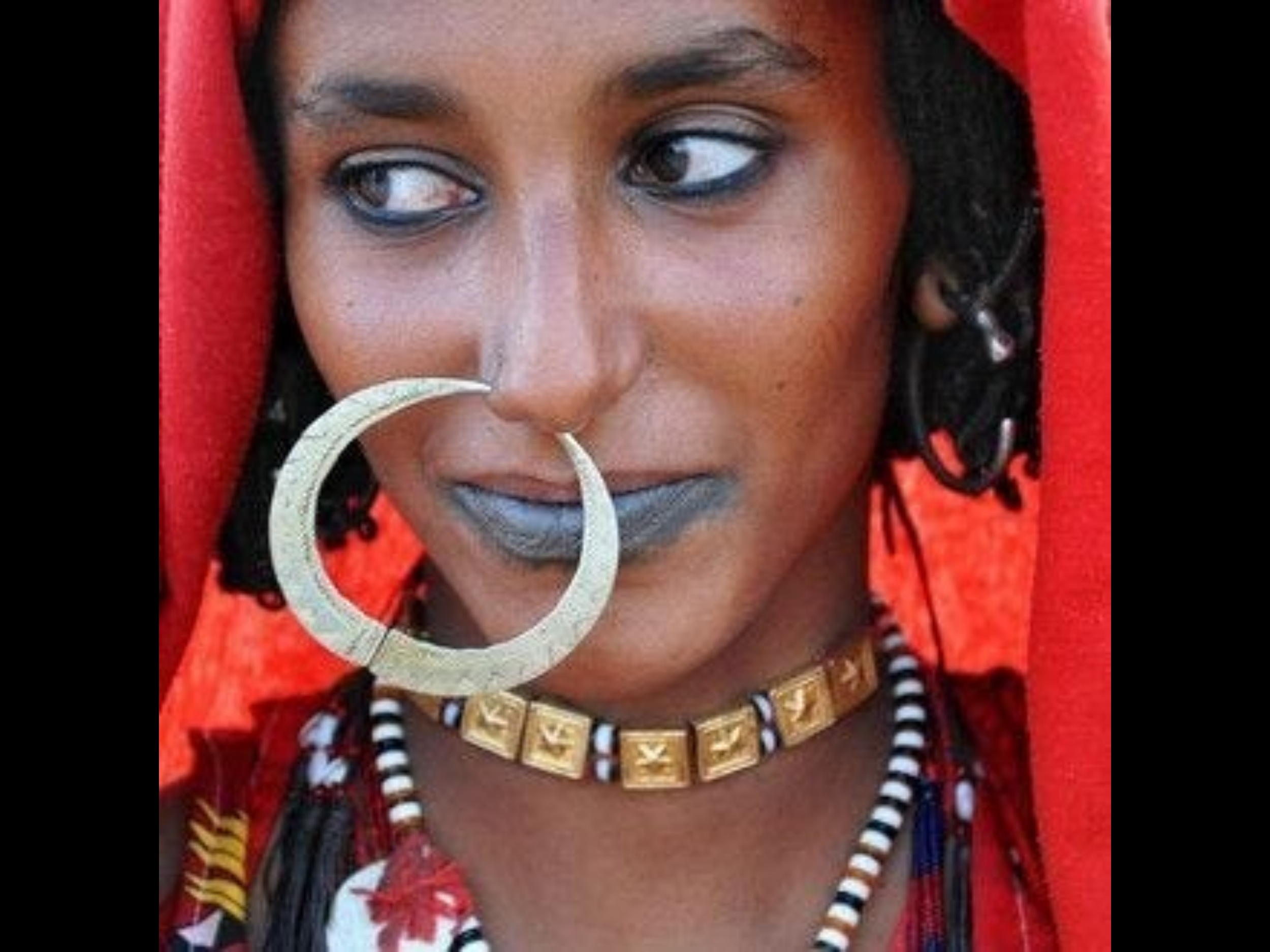
Caption: Ancient illustrations and sculptures showing early forms of body piercing used in ritual and tribal identity.
Piercing dates back thousands of years, when the human body was seen as a spiritual vessel rather than mere flesh.
In ancient African, American and Asian cultures, piercing marked rites of passage, social status and spiritual connection.
Among African tribes, lip and ear piercings signified age, courage and belonging.
For the Maya and Aztecs, nose and tongue piercings were reserved for priests and warriors, often performed during sacred ceremonies.
Pain was not avoided — it was embraced as transformation.
2. Ancient Egypt – Gold, Power and Eternity
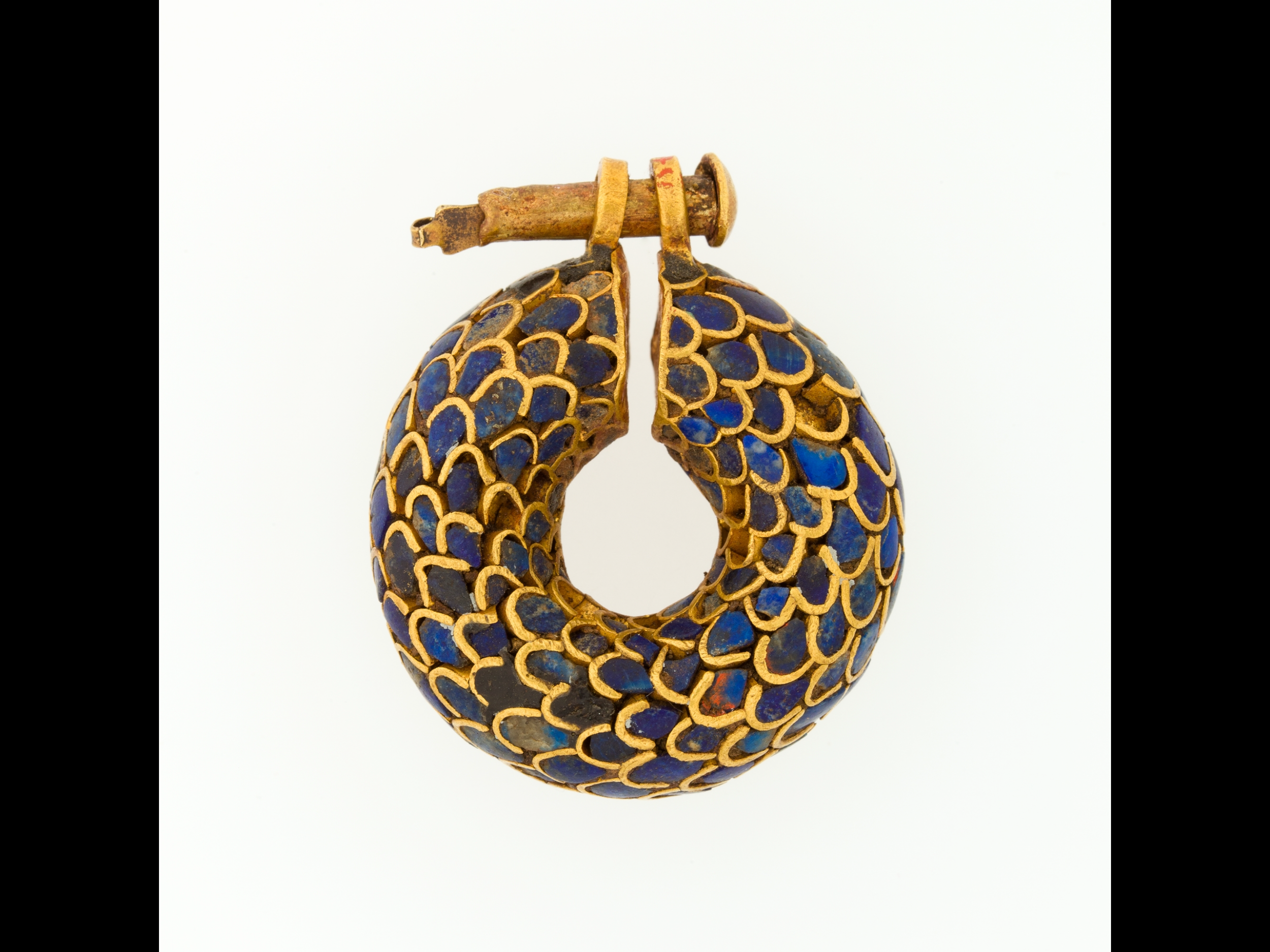
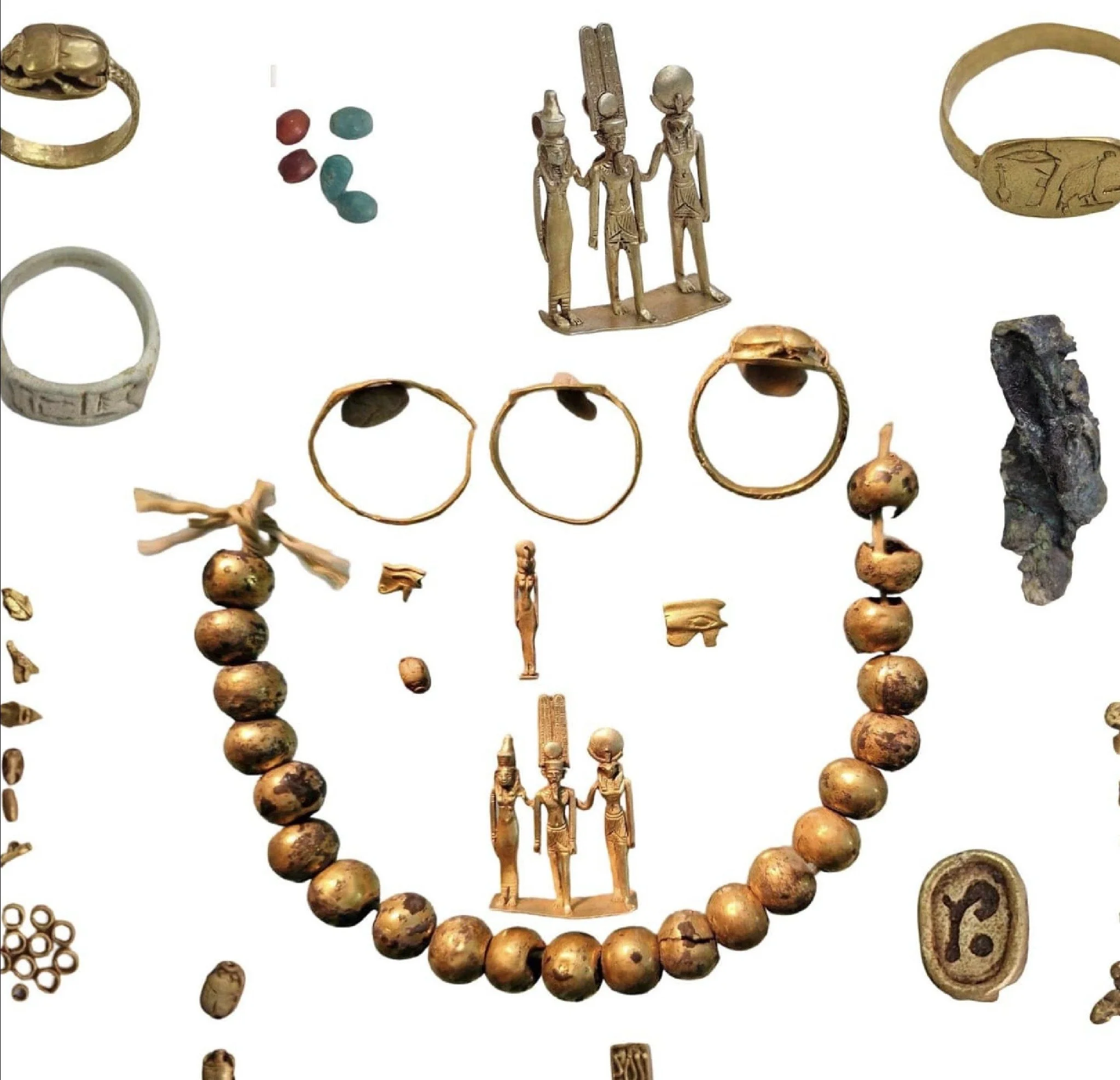
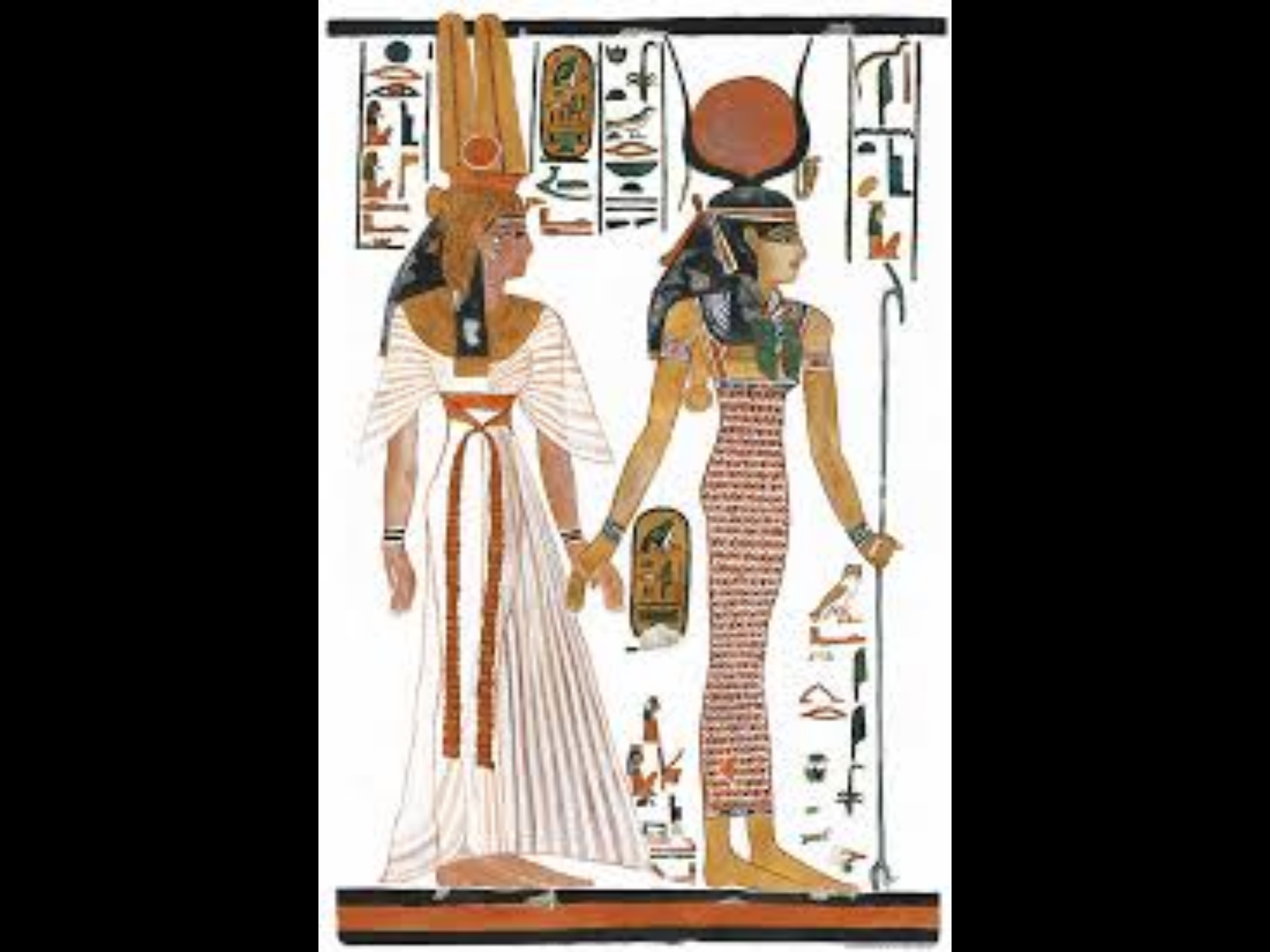
Caption: Jewellery and body adornment in Ancient Egypt, associated with divine authority and the afterlife.
In Ancient Egypt, piercing carried a meaning of wealth and divine power.
Pharaohs wore ear and body jewellery made of gold, symbolising immortality and closeness to the gods.
Archaeological findings show that some mummies were buried with pierced ears, suggesting that adornment was intended to continue beyond death.
Piercing was not decoration — it was eternal identity.
3. Greece and Rome – Strength, Discipline and Control
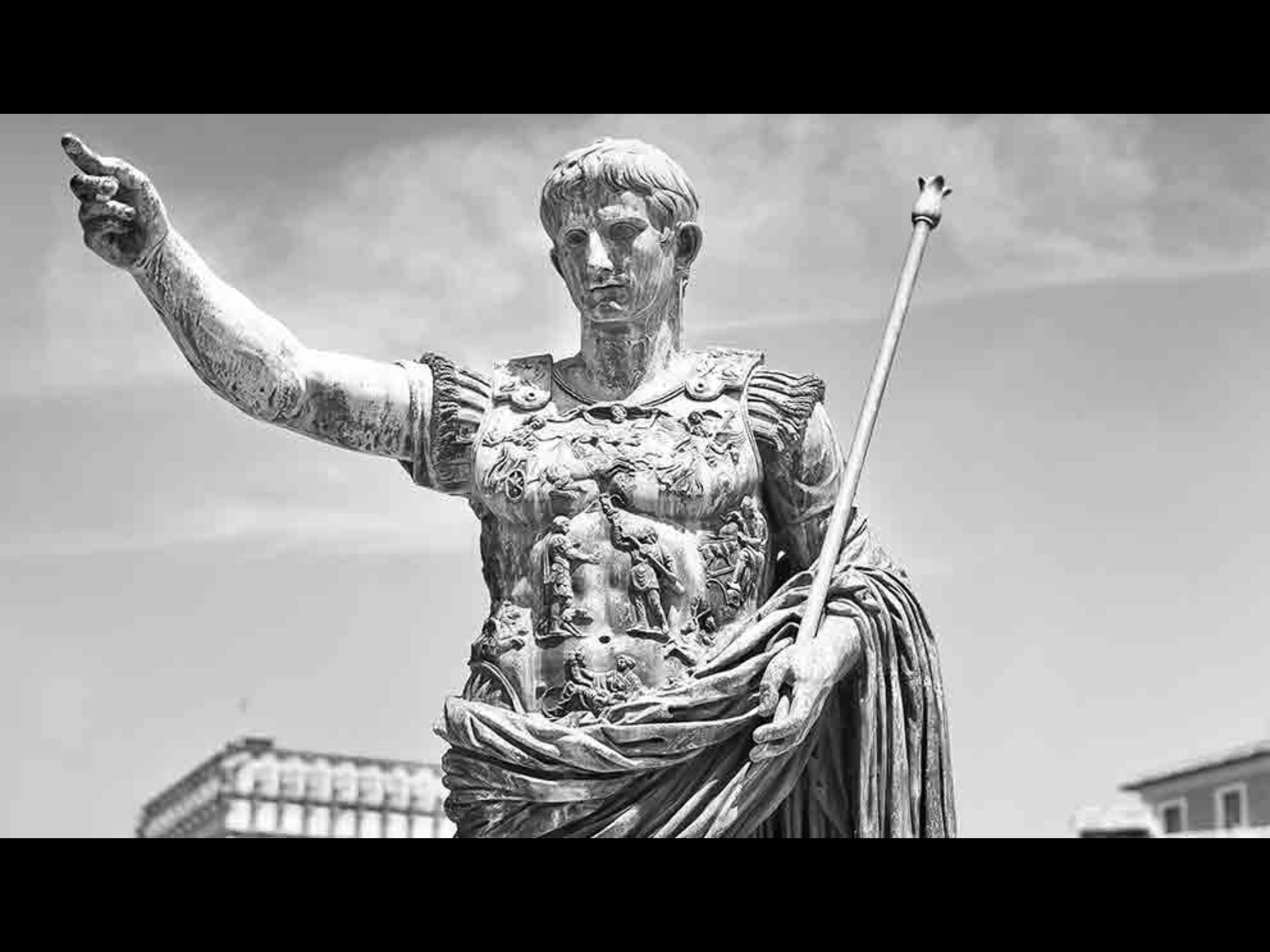
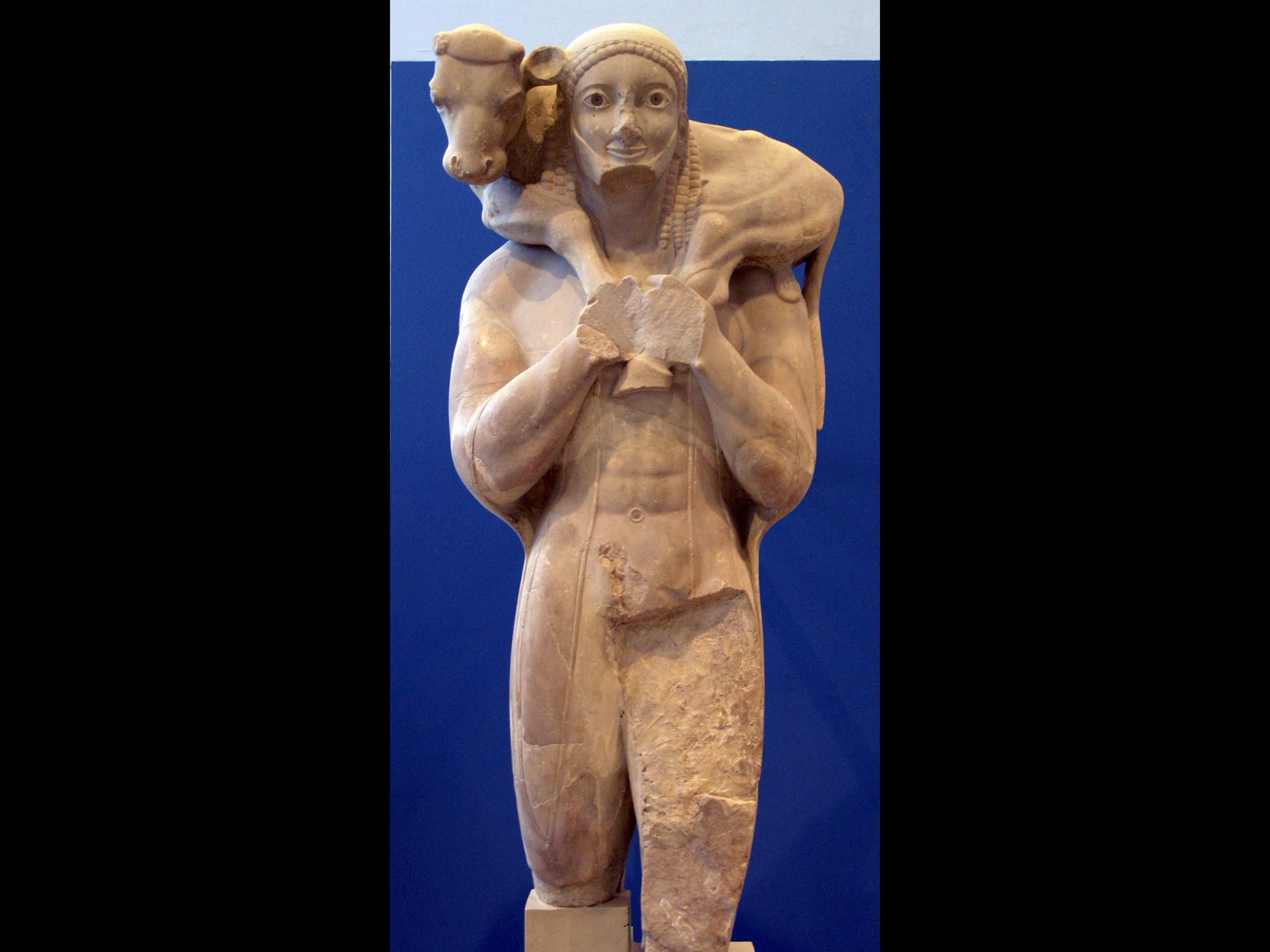
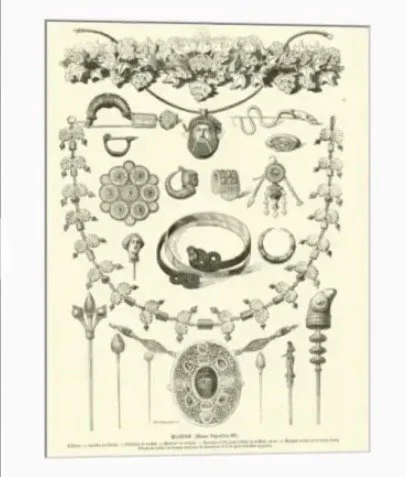
Caption: Engravings depicting body adornment and functional piercings in classical antiquity.
In the Greco-Roman world, piercing took on both practical and symbolic roles.
Roman soldiers practised nipple piercing to fasten cloaks and armour, but also as a sign of endurance and masculinity.
However, piercing could also be imposed as a mark of punishment or ownership, particularly on slaves and prisoners.
Here, the body became a tool of authority and discipline.
4. Medieval Europe – Condemnation and Disappearance
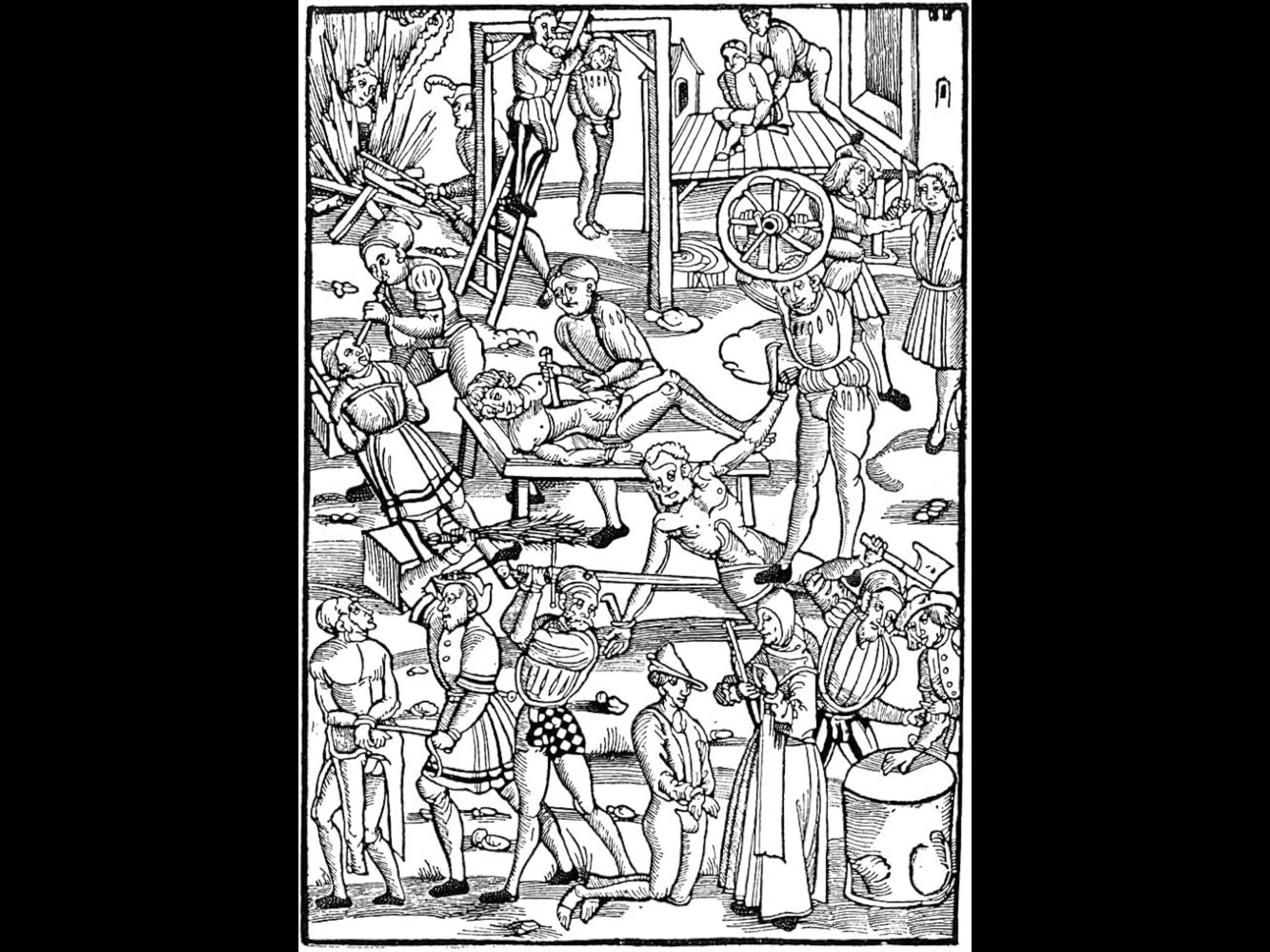
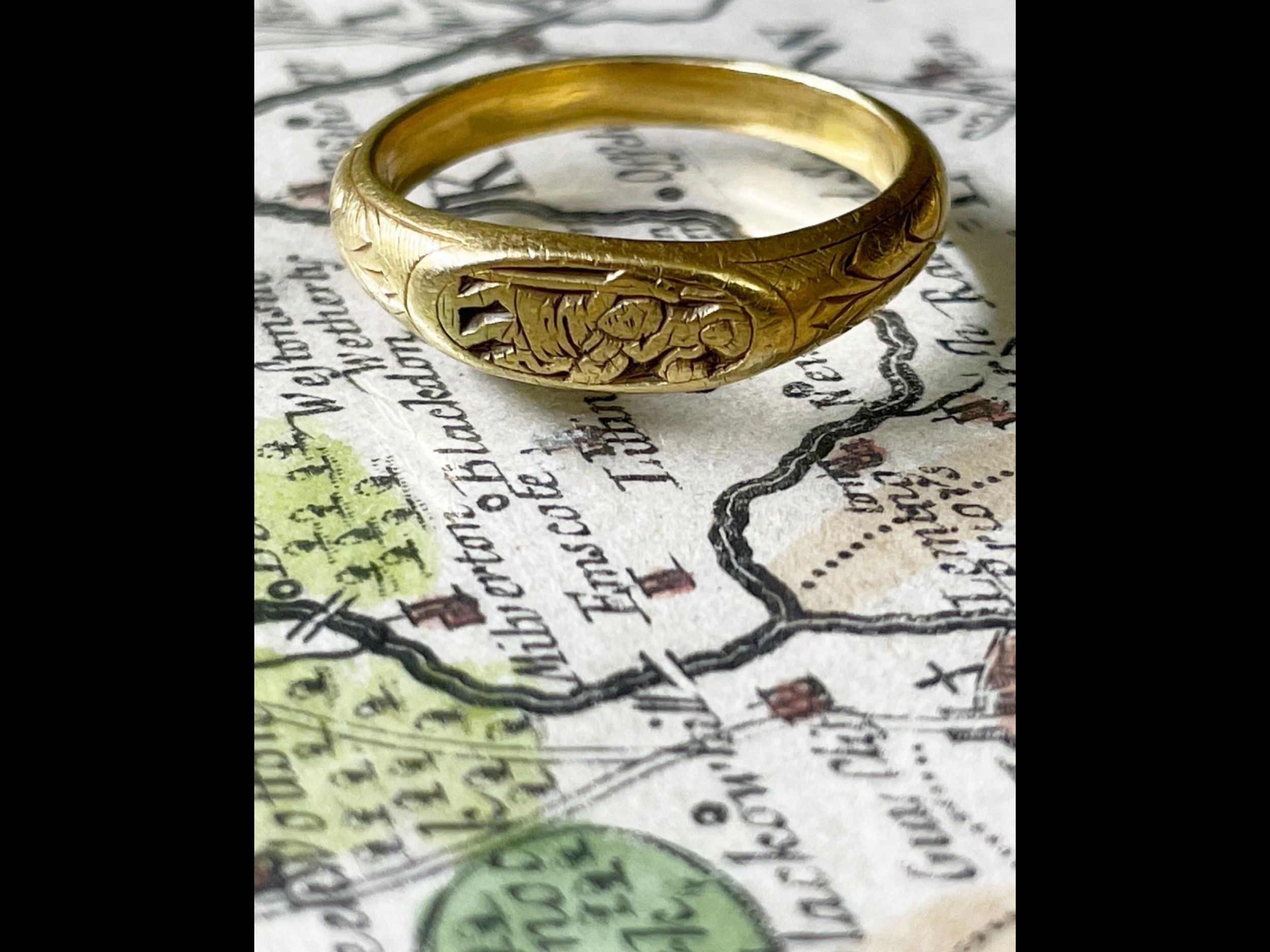
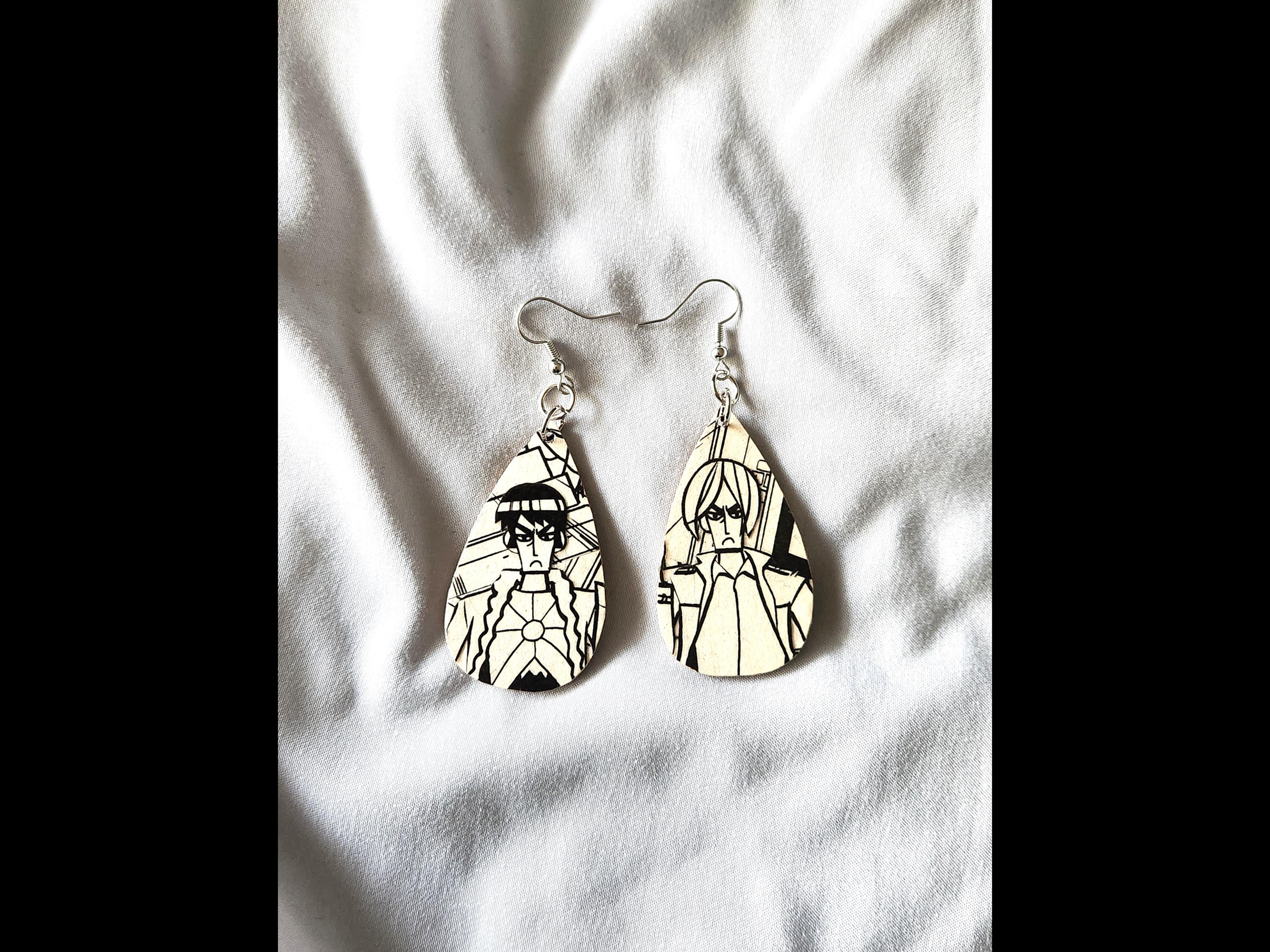
Caption: Medieval illustrations showing punishment, pilgrimage and limited body adornment.
During the Middle Ages, piercing almost vanished from Europe.
The Church considered body modification a violation of God’s creation, associating it with barbarism or sin.
Piercing survived only among sailors, travellers and pilgrims.
An earring could signify a completed pilgrimage or serve as payment for burial if the sailor died at sea.
Piercing endured quietly — hidden, but not forgotten.
5. Eastern Cultures – Tradition, Balance and Healing
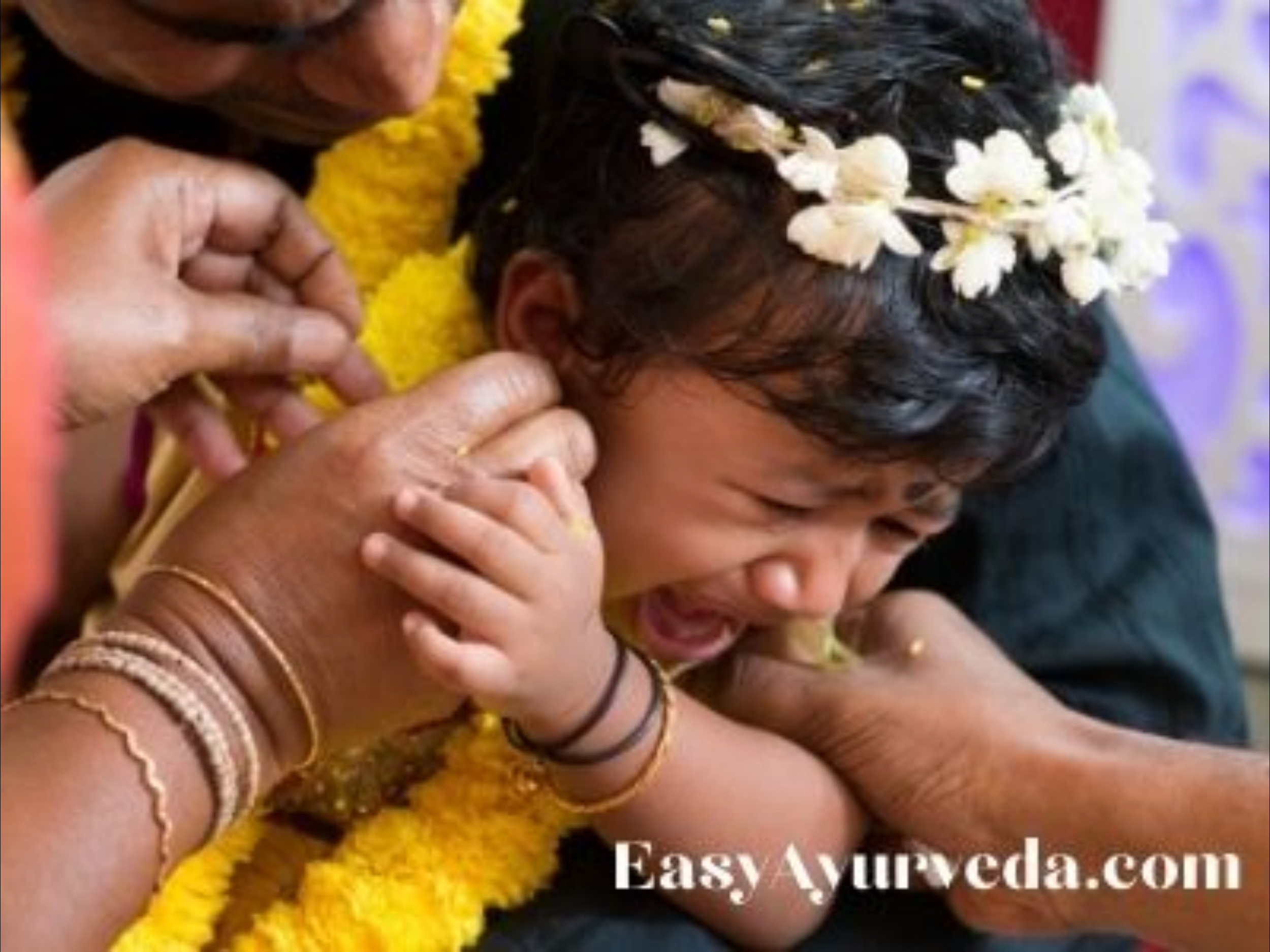
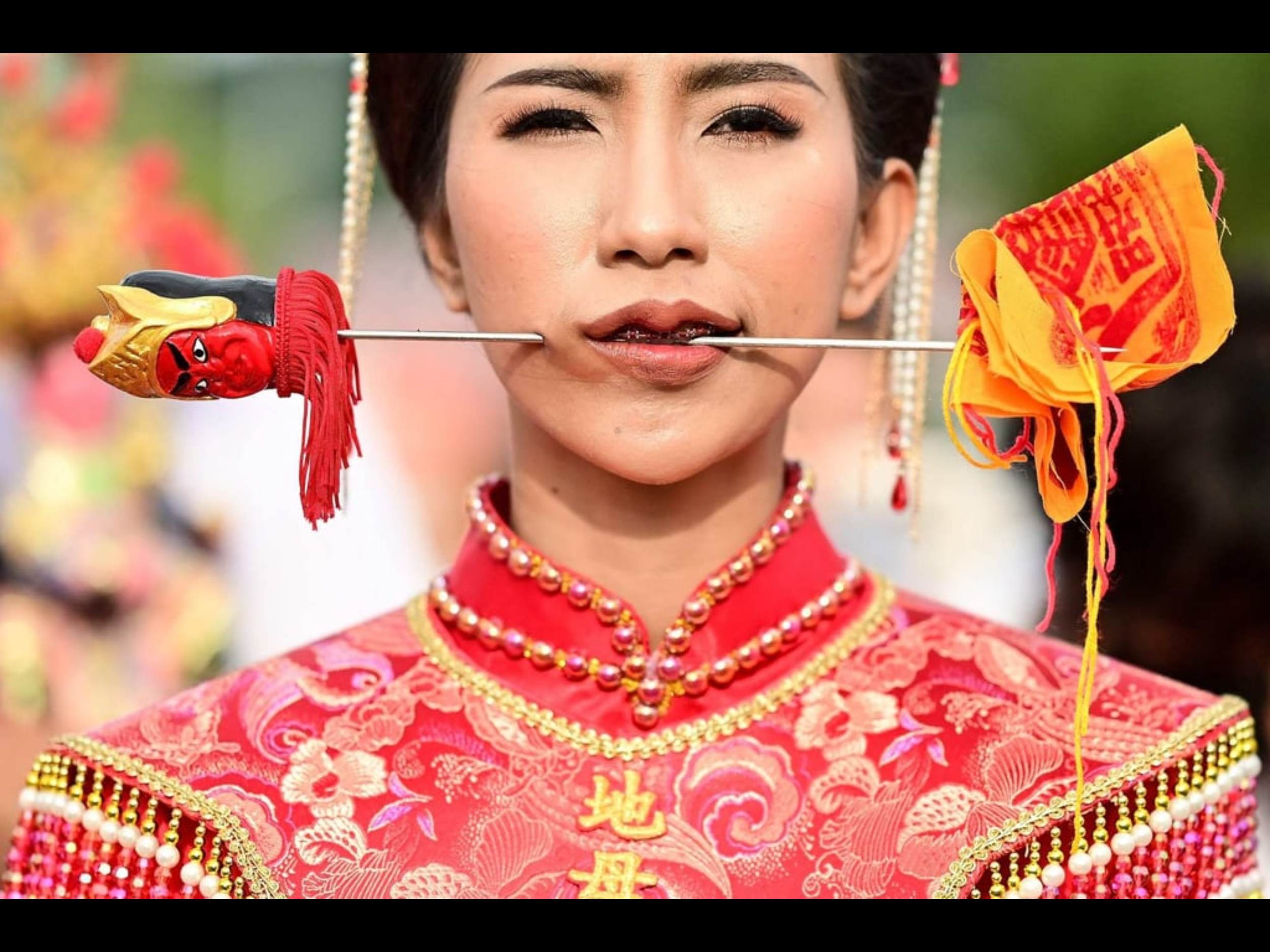
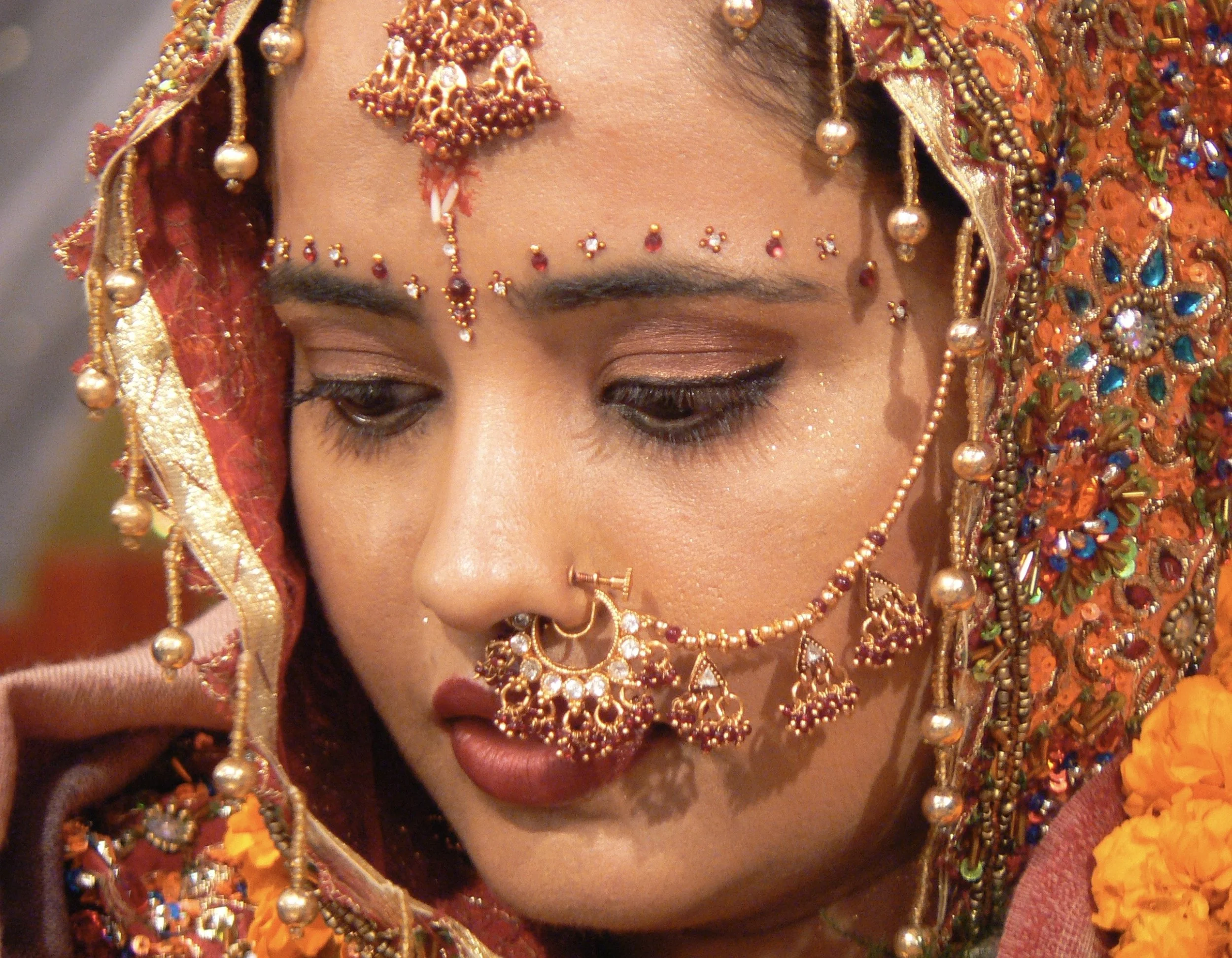
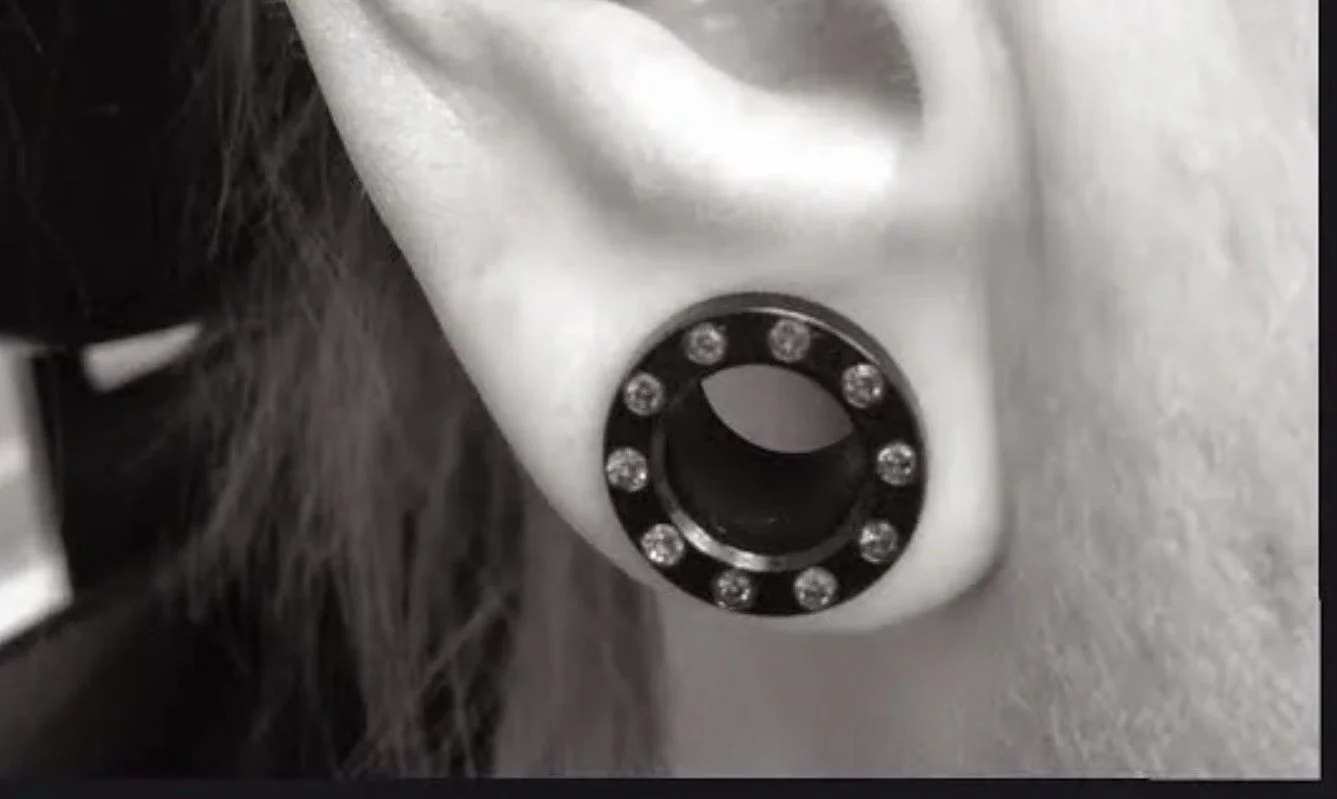
Caption: Traditional piercings in India and Asia, still practised today for cultural and spiritual reasons.
In India and much of Asia, piercing has never disappeared.
The nose piercing in women is traditionally linked to fertility and Ayurvedic medicine.
Ear piercing ceremonies for children remain a ritual of protection and growth.
Here, piercing represents harmony between body, mind and spirit.
6. The 20th Century – Rebellion and Subculture

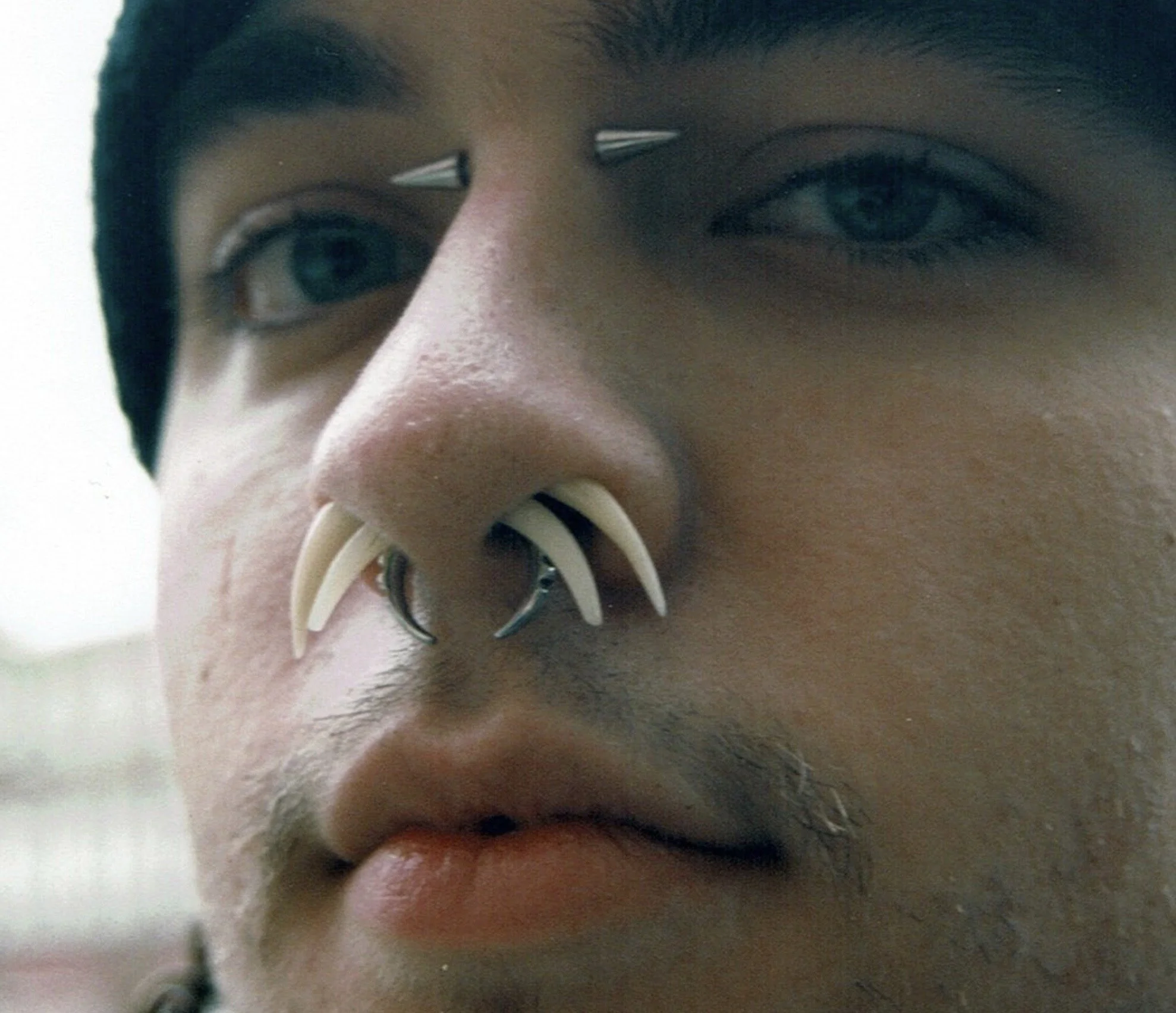

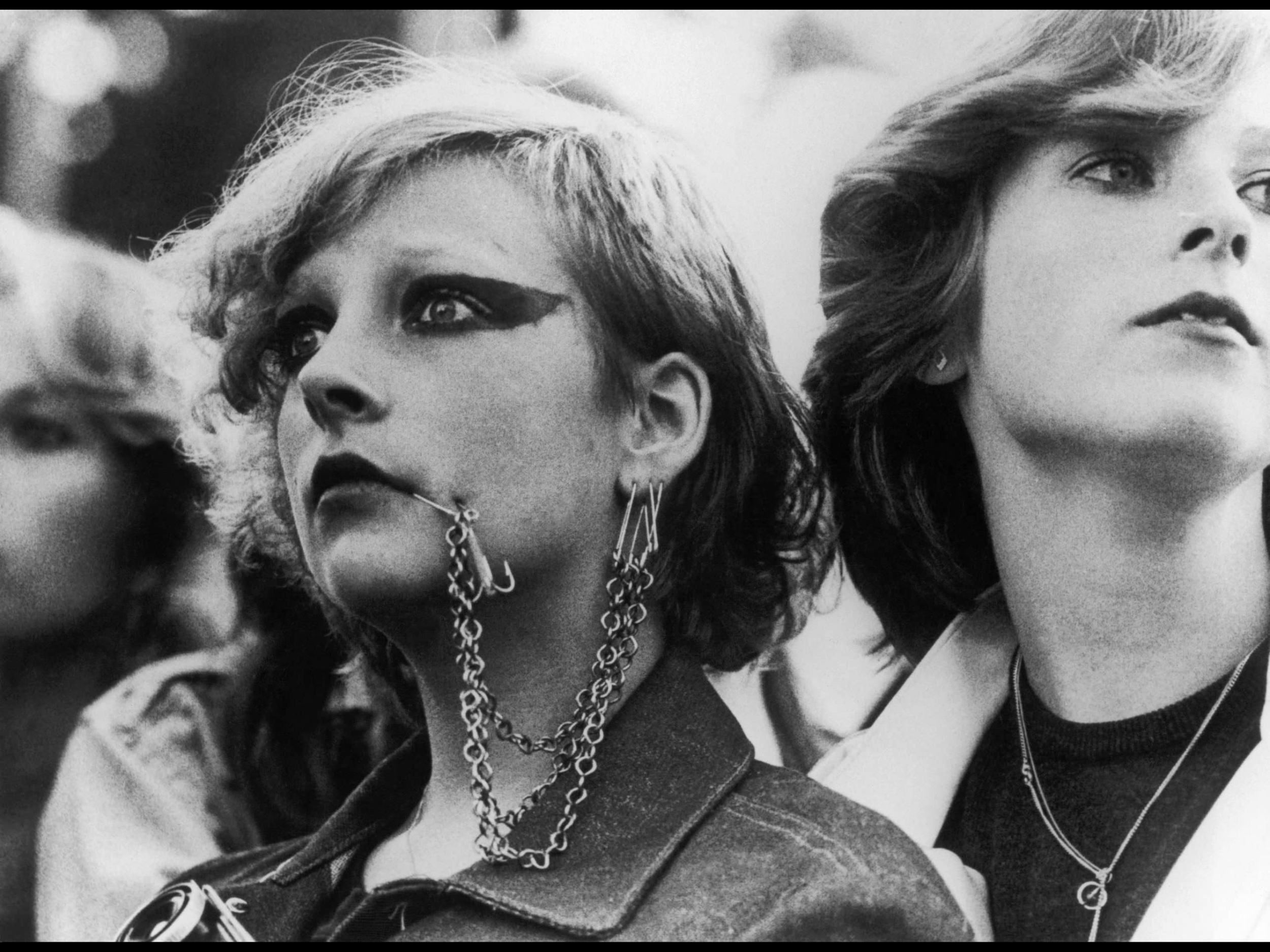
Caption: Piercing within punk, underground and LGBTQ+ subcultures during the late 20th century.
In the 20th century, piercing returned to the West as an act of rebellion and self-definition.
Punk movements, bikers, performers and LGBTQ+ communities reclaimed the body as a political and personal statement.
During the 1980s and 1990s, professional piercing studios emerged, bringing sterilisation, technique and safety to the practice.
Piercing became a language of identity.
7. Today – Art, Choice and Freedom
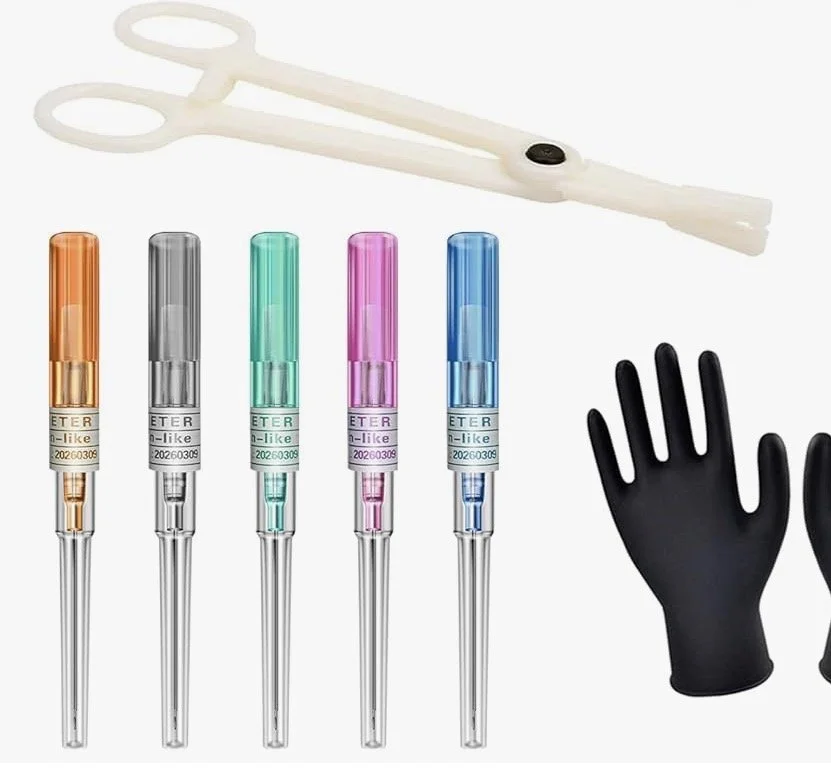


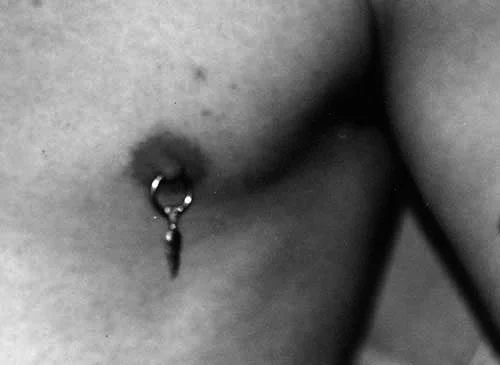
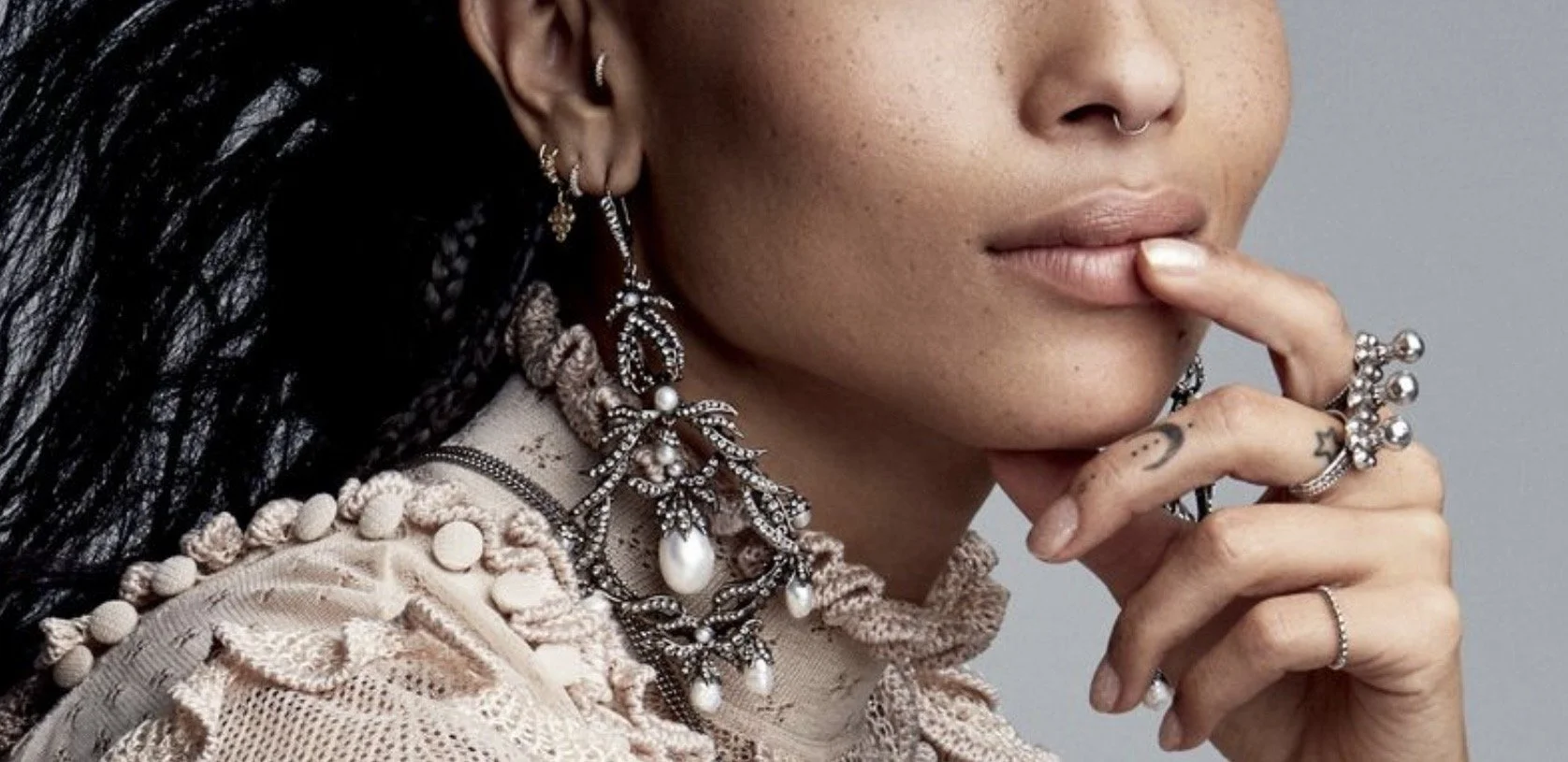
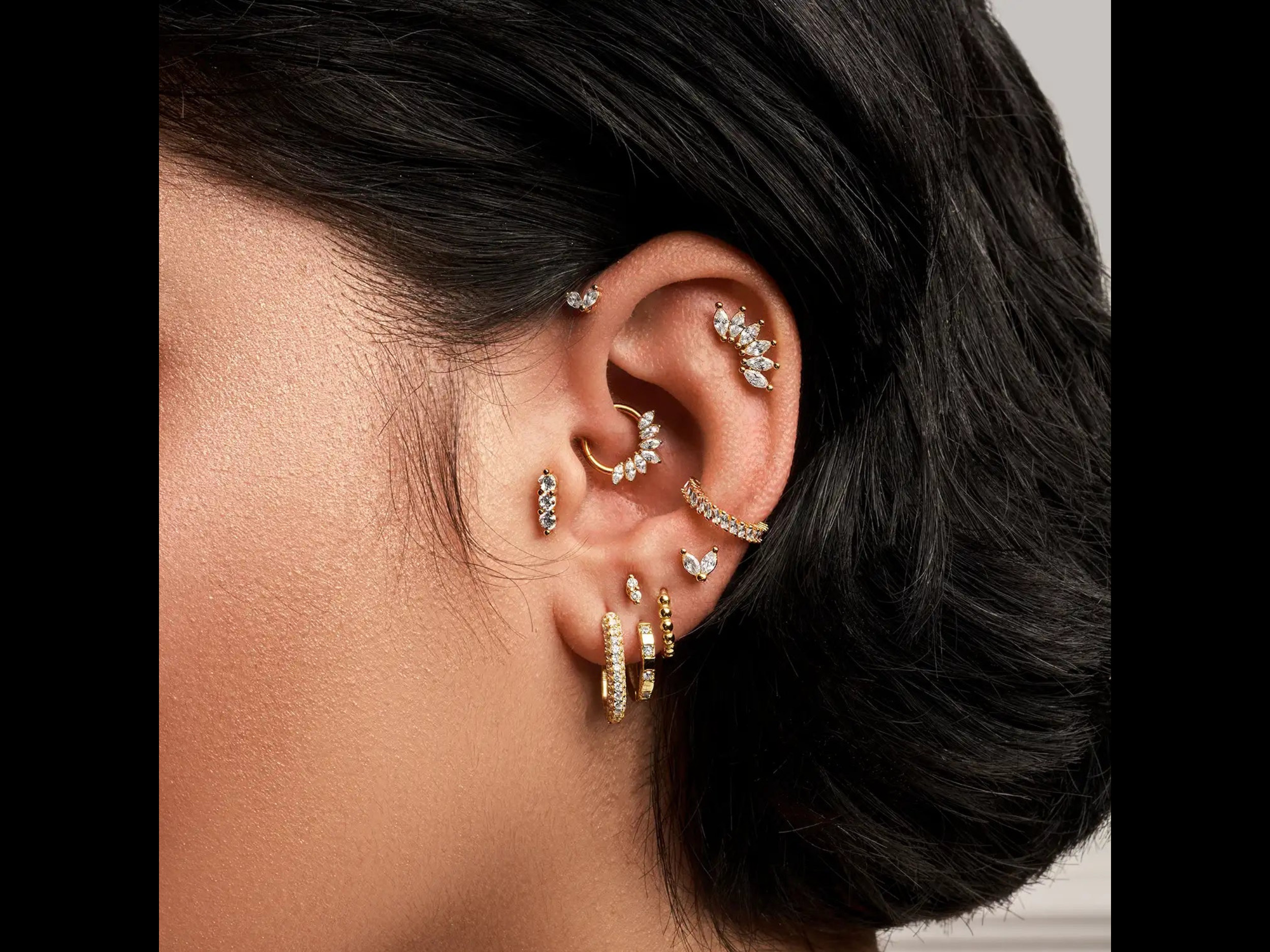
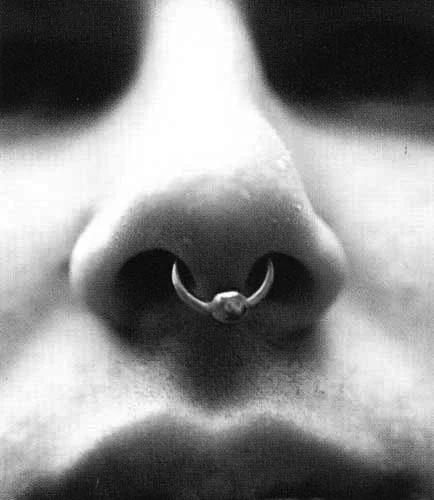
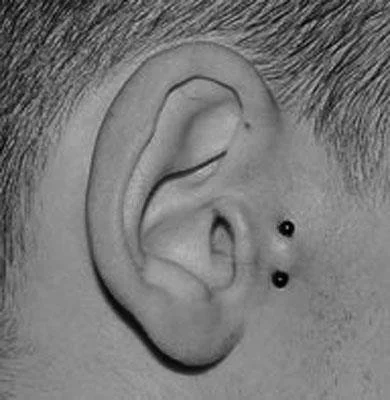
Caption: Contemporary piercing as a form of body art and personal expression.
Today, piercing is recognised as body art.
It is no longer only provocation, but a conscious choice: aesthetic, emotional, symbolic.
Each piercing tells a story —
of change, rebirth, memory, strength or self-awareness.
The body is no longer marked.
It is listened to.
Conclusion
Piercing runs through human history like an invisible thread.
From sacred ritual to symbol of power, from stigma to freedom.
To pierce the body has always meant one thing:
“I am here. This is my body. This is my story.”
